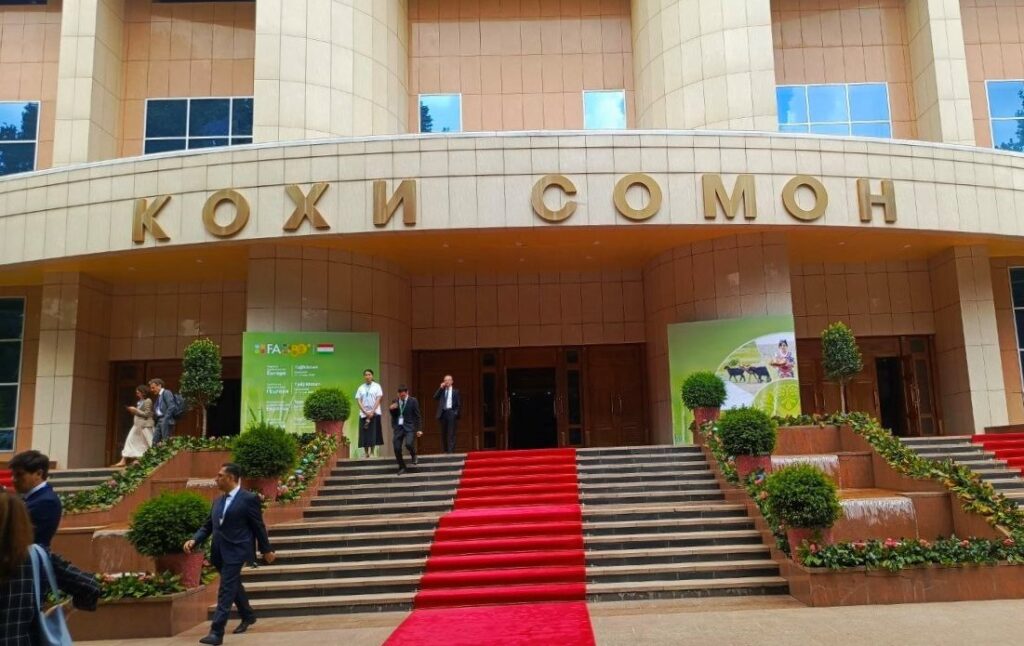
Climate change, biodiversity loss, and land degradation are increasing pressure on agri-food systems in Europe and Central Asia. This was discussed in Dushanbe at the side events of the 35th FAO Regional Conference for Europe (ERC35) in Dushanbe on May 12.
In 2023, about 24.5 million people in Europe and Central Asia faced severe food insecurity. In 2022, 64.3 million people in the region could not afford a healthy diet.
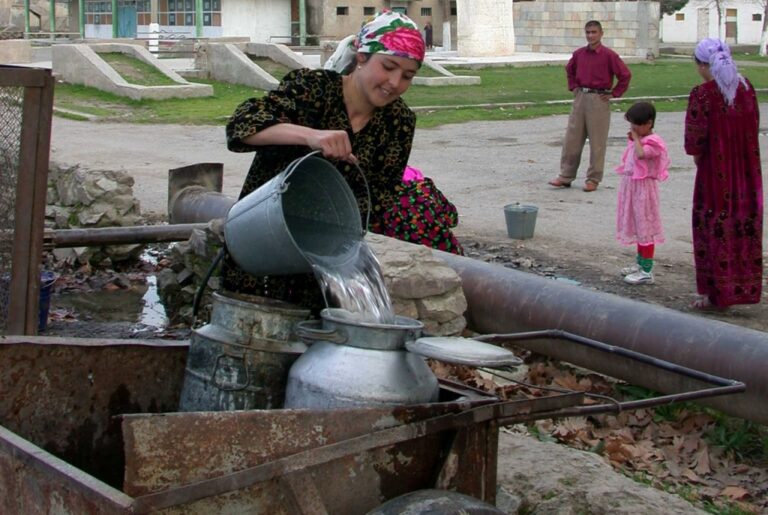
According to FAO data, about 28% of assessed endemic species in Europe and Central Asia are at risk of extinction. In Central Asia, 15% of the population lacks access to safe drinking water.
The conference is taking place in Dushanbe from May 11 to 15. Its participants are discussing that the region is not facing isolated environmental problems but an interconnected crisis. Climate change intensifies droughts, heatwaves, and floods. Land degradation reduces agricultural productivity. Biodiversity loss weakens natural systems on which farmers, livestock breeders, and rural communities depend.
Who is most vulnerable
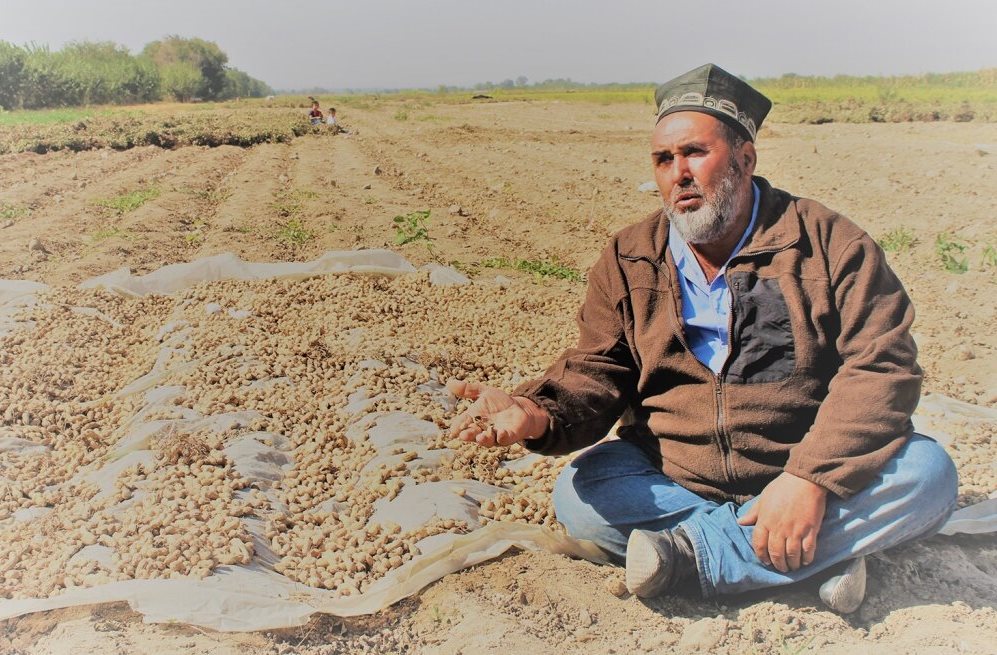
The event paid special attention to rural communities. Among the most vulnerable groups identified were small farmers, livestock breeders, women, and youth.
These groups often depend on the condition of the land, access to water, agricultural sustainability, and the ability to access technology, financing, and support. Limited access to production resources and social protection reduces their ability to adapt to climate and economic shocks.
What is happening to agriculture
The region’s agri-food systems depend on the condition of soil, water, climate, and biodiversity. When these resources are depleted, food production, rural incomes, and the resilience of the entire system suffer.
What measures are proposed
Participants emphasized the importance of integrated approaches. This means that measures to combat climate change, preserve biodiversity, and restore land should not be implemented separately from each other.
The priority areas identified include policy coherence, development of data collection and processing systems, early warning systems, water-saving farming methods, biodiversity conservation, land restoration, capacity building, and stakeholder engagement.
Countries are recommended to strengthen coordination at high and interagency levels. This should help to align actions in the areas of climate, biodiversity, water use, and land use.
Funding was discussed separately
A parallel session on funding agri-food systems was also held during the conference.
FAO highlights three main goals: to improve access for agri-food system participants to financing, to increase sustainable and green financing, and to expand financial inclusion.
The lack of funds especially affects small farmers, micro, small, and medium agricultural enterprises, women, and youth. For them, access to loans and other financial services is often limited due to the lack of collateral, credit history, financial literacy, and suitable banking products.
Since 2015, $21.4 billion in development funding has been directed to agri-food systems in Europe and Central Asia. However, as noted in the document, these funds are insufficient for a large-scale transformation of the sector.
Meanwhile, hidden costs related to healthcare and environmental protection associated with existing production and consumption models in the region are estimated at about $2.7 trillion per year.
FAO suggests countries strengthen databases on financing, align policies, use public funds more effectively to attract private investments, and develop green financing, digital financial services, and risk management tools.