In Tajikistan, there is increasing talk about the rich reserves of critical minerals—rare and rare earth metals on which the energy and technologies of the future depend. However, if you open international reports, the picture looks different: Tajikistan is hardly mentioned there. What is the reason for this discrepancy? Let’s delve into it, starting with a basic question that often causes confusion.
Rare and rare earth metals are not the same
In Tajikistan, many confuse these two concepts, often using them as synonyms. In reality, they are different groups of chemical elements, which differ in composition, properties, origin of name, and areas of application.
Rare metals, including niobium and tantalum, are elements that are scarce in nature. This is a broader category, including metals that are difficult to extract or found in small quantities and are used in industries such as jewelry, energy, and chemistry.
The main difference: rare earth metals are a special group of difficult-to-extract elements, while rare metals are metals that are simply scarce in nature.
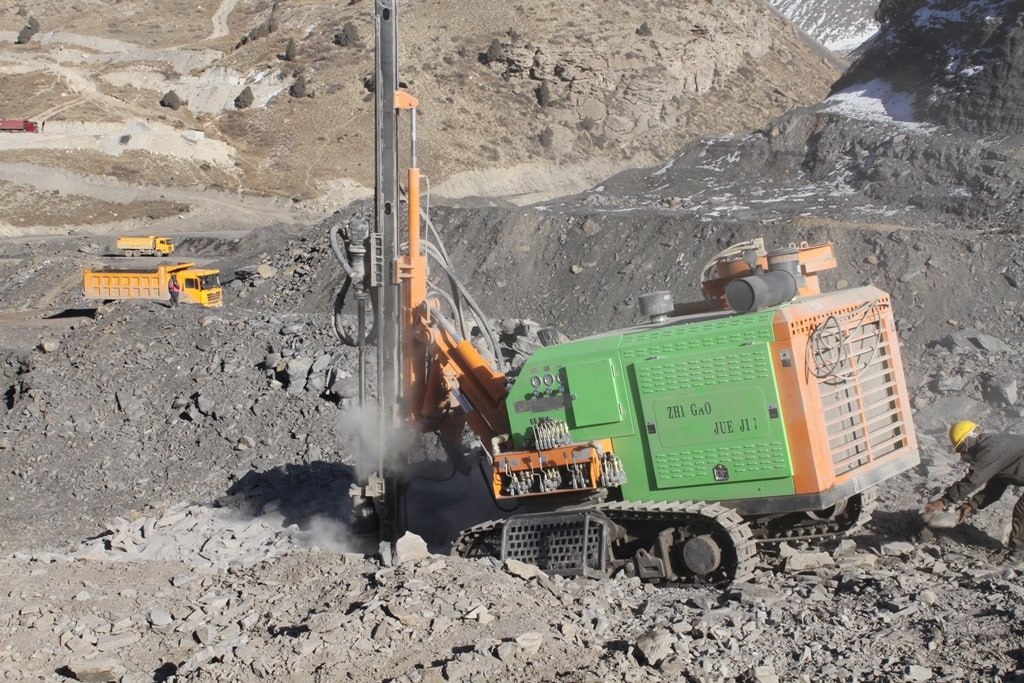
The global market today is primarily looking at rare earth elements. The demand for such resources is growing. As noted in international research, rare earth elements are key for “clean” energy, electronics, and future transportation.
At the same time, the market is structured strictly: countries are compared not by potential in general, but by specific confirmed reserves.
What does Tajikistan have?
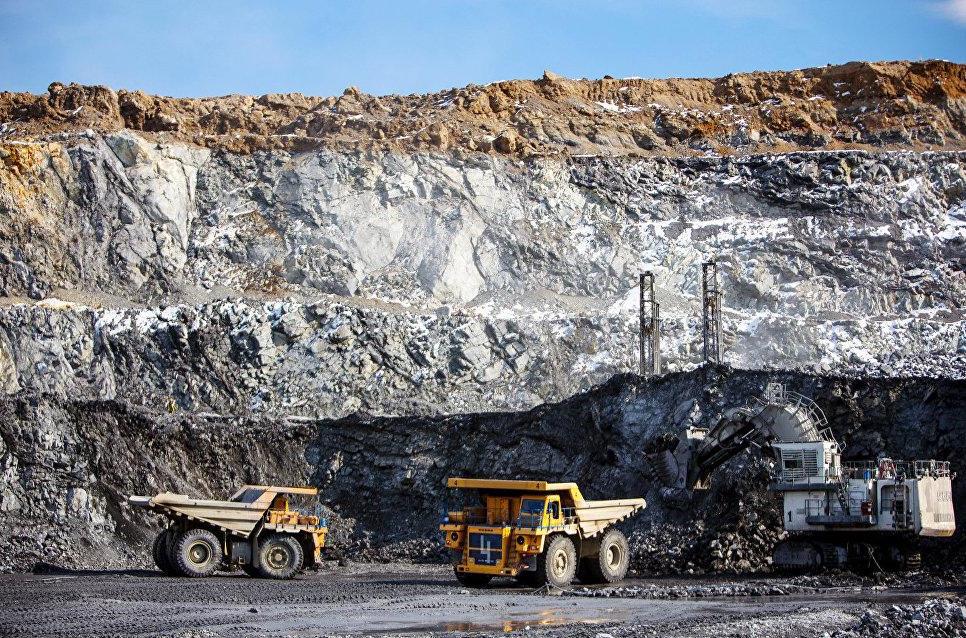
The country’s authorities claim that the republic possesses reserves of 10 critical minerals, 6 of which are already being mined.
It should be noted that critical minerals, along with rare earth and rare metals, also include energy minerals (uranium and thorium) and some other minerals.
According to official data, the country has:
– lithium (there are signs of lithium deposits—a key metal for electric vehicle batteries and electronics);
– rare earth elements (deposits of rare earth elements have been found, potentially including elements such as cerium, praseodymium, and others, important for electronics, magnets, and renewable energy);
– niobium and tantalum (large deposits of niobium and tantalum—strategic metals for aviation, electronics, and medical industries—have been found);
– copper (copper ores are present in many deposits—is considered a critically important metal for electricity and infrastructure);
– nickel (there are reports of nickel reserves—a crucial metal for batteries and steel production);
– aluminum (Tajikistan is a major aluminum producer, which, although not always classified as a “rare” metal, is strategically important for transportation and industry).
– antimony, lead, zinc, silver, and gold (large reserves are available).
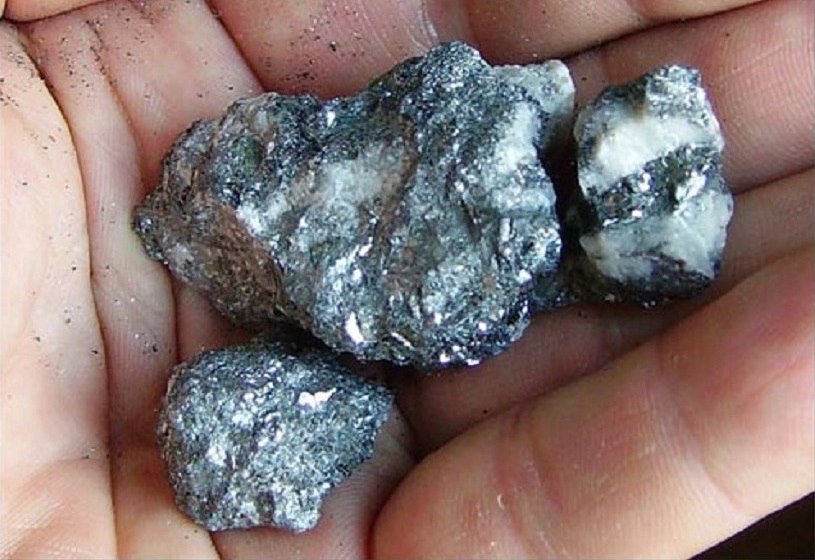
In addition, such elements as titanium, bismuth, selenium, tellurium, tin, and others have been identified (or there are prospects for their presence) in Tajikistan, which often appear on the lists of critical minerals of different countries.
Overall, within the country, evaluations sound quite confident. Local experts note that there are great opportunities for discovering new deposits in the republic.
And in state and international documents (including with the participation of UNECE), it is noted that Tajikistan’s mineral resources could become a “base for industrial development.” Against this background, a logical perception is formed: the country has significant resource potential.
Why the world doesn’t “see” this
Tajikistan is absent from global rankings for rare earth element reserves.
According to the U.S. Geological Survey (USGS), the largest reserves are concentrated in China, Brazil, India, Australia, Russia, and the USA, Vietnam, Canada, as well as several other countries.
The same picture is observed in generalized international assessments (collected from various sources):
– Rare Earth Element Reserves by Country 2026
– Where are the world’s rare earth elements located?
Tajikistan is not mentioned in these publications.
Experts explain that the problem lies not so much in the availability of resources but in the stage of their study. The fact is that geologists distinguish several levels:
– there are just manifestations;
– there are promising sites;
– there are resources;
– and there are proven reserves.
And only the last category falls into international statistics. Thus, Tajikistan may have great potential, but confirmation at the international industry level is not yet available.
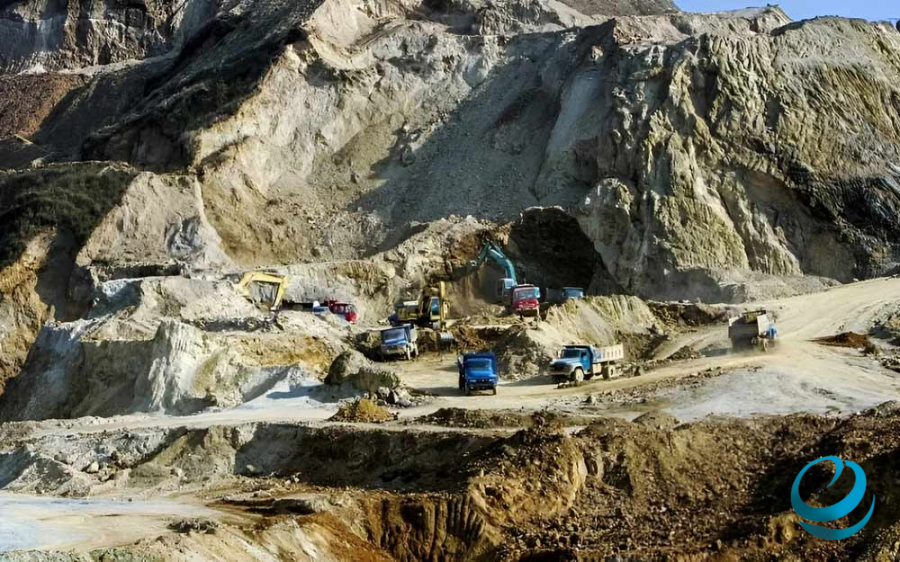
Geologists emphasize several reasons why Tajikistan’s reserves are not discussed at the global level.
First, much of the data on Tajikistan was obtained during the Soviet period, and there is a lack of modern research.
Second, standards: for a deposit to be recognized internationally, an assessment according to strict systems (JORC, NI 43-101) is required. Without this, the figures are simply not taken into account.
The potential is there, but it’s for the future
Experts agree: Tajikistan may indeed have significant reserves of rare metals.
But there is an important nuance. Today, the country is perceived not as a holder of proven resources but as a territory with potential. The difference is simple: it’s one thing to have assumptions on a map, and another to have confirmed reserves ready for extraction.
This is why today the country is more of a promising player than a full-fledged participant in the global race for rare metals.