The Food and Agriculture Organization of the United Nations (FAO) forecasts that over the next ten years, countries in Europe and Central Asia will produce more agricultural products, but the growth will be moderate.
According to the FAO, the trade deficit in agri-food products in Central Asia is expected to nearly triple by 2034. Imports will grow by almost 3% per year, while exports will decrease by nearly 1% per year. This is stated in the organization’s regional report on medium-term forecasts for Europe and Central Asia for 2025–2034.
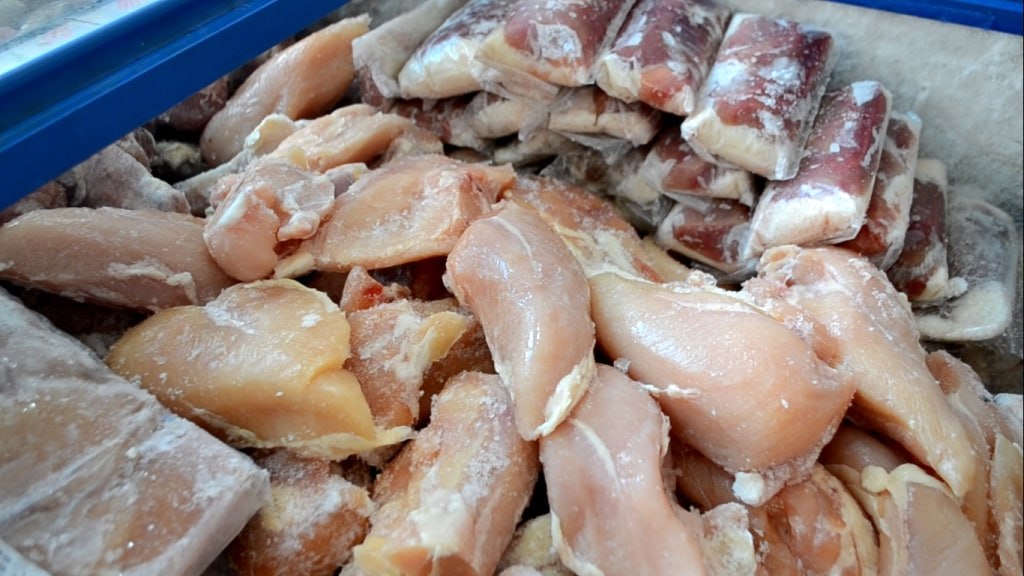
The region will see increased demand for food products, including meat, dairy products, wheat, and fish. Among the main import goods mentioned in the report are wheat, poultry meat, beef, and dairy products. Wheat imports will grow by 2.6% per year, poultry meat by 2.5%, and beef by 3.9%. Cheese imports will increase by 2.5% per year, skimmed milk powder by 4.6%, and butter by 1.8%.
According to the FAO forecast, countries in Europe and Central Asia overall will produce more agricultural products, but the growth will be moderate. The net value of agriculture and fisheries in the region will grow from $458.6 billion in 2022–2024 to $494.4 billion by 2034.
FAO expects that GDP per capita in Central Asia will grow by 2.3% per year. On average, in the region of Europe and Central Asia, this figure will be 1.5% per year. By 2034, GDP per capita in Central Asia will reach $6,838 per year, in Eastern Europe — $17,326, and in Western Europe — $48,118.
Protein consumption in Central Asia is forecasted by FAO to increase by 10.4% by 2034. Calories from animal products will rise by 16%. Poultry meat will account for almost two-thirds of the increase in meat consumption.
By 2034, meat consumption in Central Asia will be about 30 kg per person per year. In Eastern Europe, this figure will reach 49 kg, and in Western Europe — 51 kg.
Fish consumption in Central Asia will increase by almost 14%. However, by 2034, it will be about one-third of the global average level.
The report also states that in Central Asia, the share of people facing moderate or severe food insecurity is higher than in Europe. This indicator increased in 2020–2021 during the pandemic. In 2022–2023, the situation improved, but the level of food insecurity remained higher than pre-pandemic.
The share of agriculture, forestry, and fisheries in the economy of Central Asia is about 7%. In the European Union, this figure is below 2%.
Among the factors of uncertainty mentioned in the report are the war in Ukraine, the complication of international trade, climate challenges, and the increase in sustainability requirements for production.