Khatlon Province is a land where ancient history meets the power of modern engineering, and pristine white salt mountains coexist with emerald waterfalls. We invite you on a journey to places that have not yet become part of mass tours but promise true discoveries for every traveler and have the potential to become world-class tourist centers.
Nurek Dam: a man-made giant
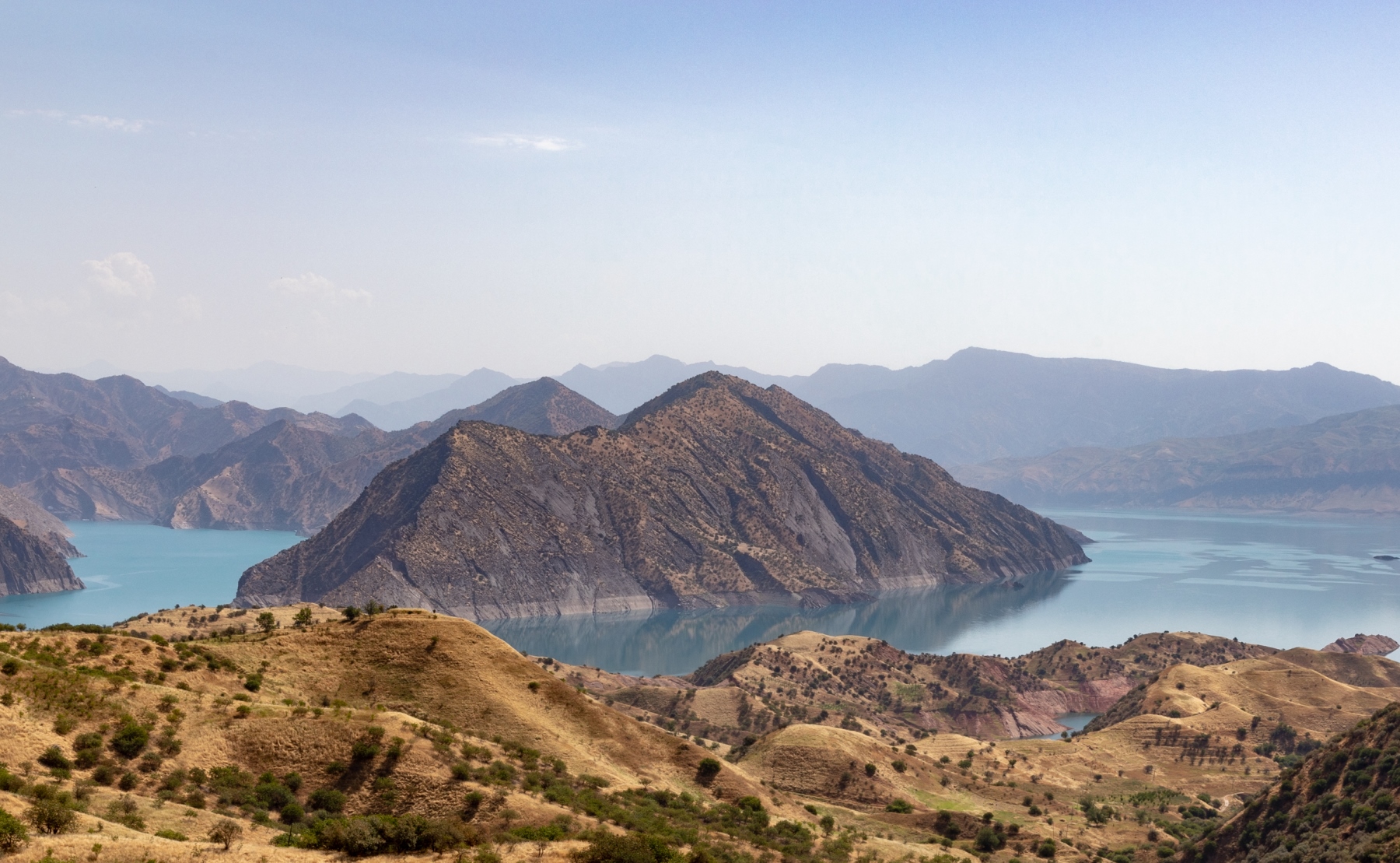
Just 3.5 kilometers from the city of Nurek lies a structure that astonishes with its scale — the Nurek Hydroelectric Power Plant (HPP) named after Tursun Uljabayev, built on the unruly Vakhsh River. Its dam is a true monument to human genius: standing at 300 meters, it held the title of the highest in the world until 2013.
The history of this great construction began in 1961. The first hydro unit delivered power in 1972, and by 1979 the station reached its full design capacity of 2700 MW, which was later increased to 3000 MW.
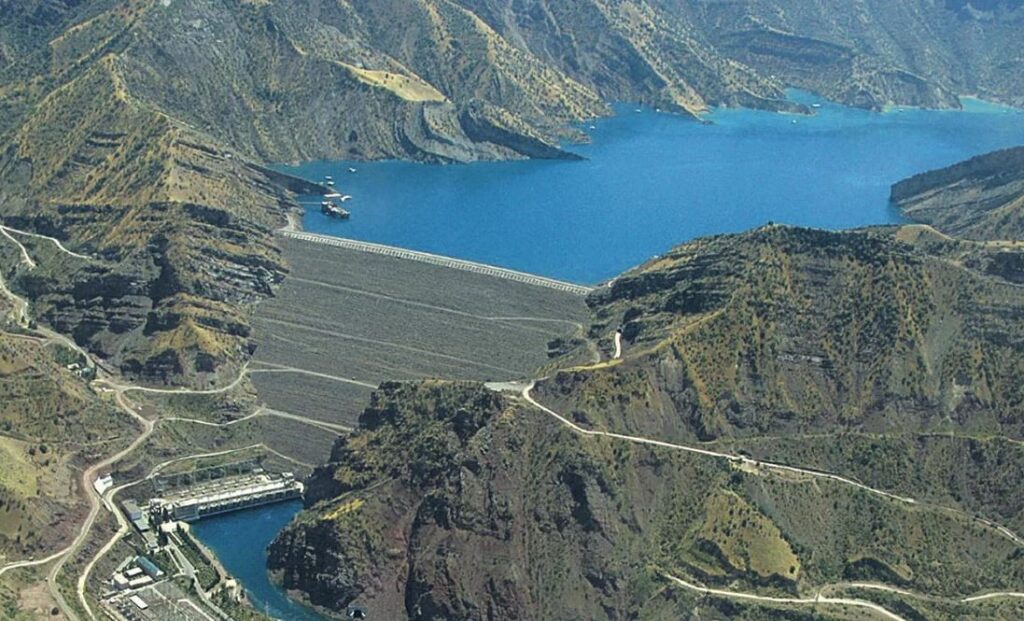
Today, the hydropower plant is not only the energy heart of the country but also a breathtaking tourist attraction. A special viewing trail has been created for visitors, allowing them to view the station from different angles: from the dizzying panorama of the dam to the administrative building. Visitors can explore the history museum of the hydroelectric station and see the sanctum sanctorum — the turbine hall. Despite its fame, the hydroelectric station has not yet become a site of mass tourism.
Important: Access to the dam area is subject to prior approval from state authorities.
Bibikhonum Museum: a legend on Qurghon Hill
In the very center of Khatlon’s capital, Bokhtar, on Vahdat Street, rises Qurghon Hill, which gave the city its former name — Qurghon-Teppa. Archaeologists have confirmed that this hill is of artificial origin. There is a version that thousands of workers and slaves transported soil from the banks of a canal here to erect an impregnable citadel.
The earthen mound rises 40 meters above the canal. In the Middle Ages, the top of the hill was crowned by a fortress-palace of the ruler, protected by walls so thick that a cart could freely pass along their top.
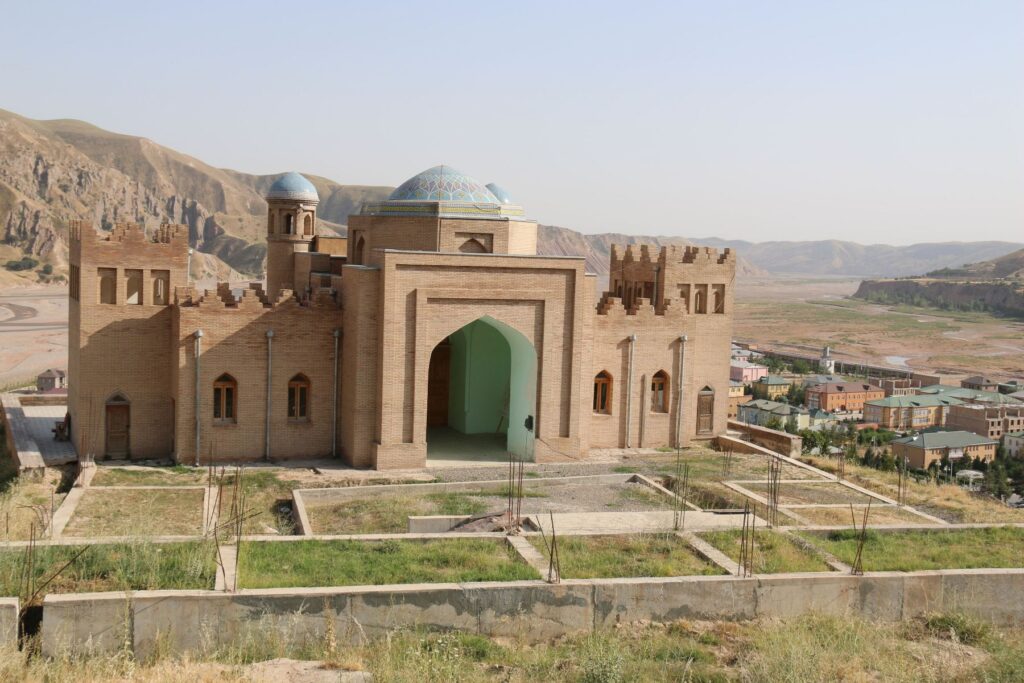
Today, a new tower has been erected on this historical site, where on September 4, 1999, with the participation of President Emomali Rahmon, a historical and regional museum named after Queen Bibikhonum was ceremoniously opened.
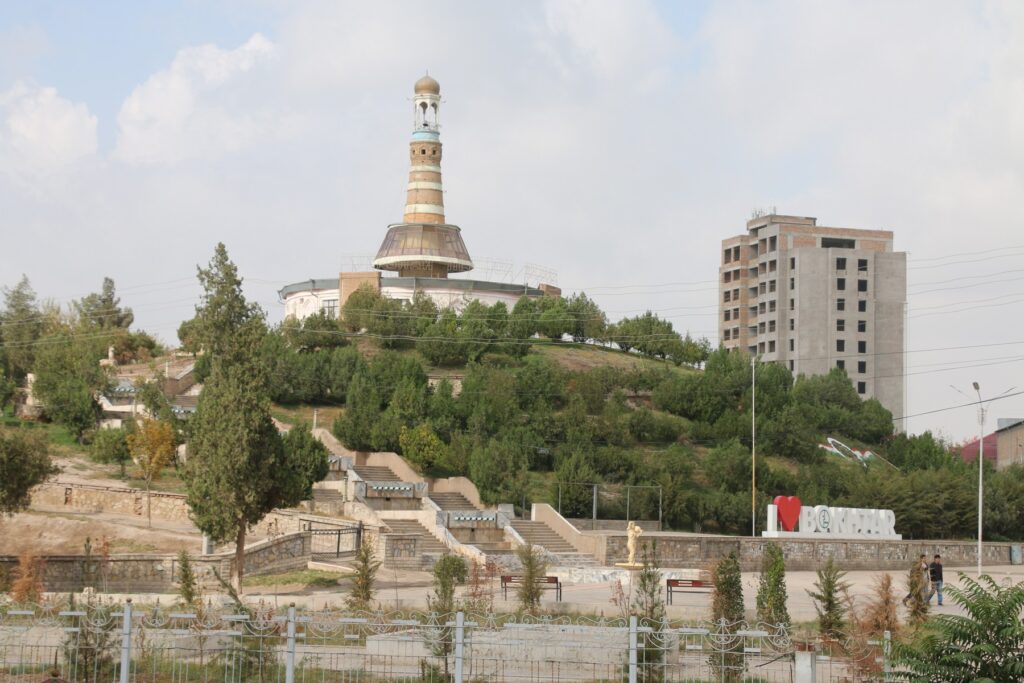
On an area of 156 square meters, divided into 24 thematic exhibition corners, about 2500 unique exhibits are stored, telling the rich history of this land.
Today, the fortress, the museum, and the landscaped area around them are combined into a single tourist attraction — the historical complex “Bibikhonum.” The project aims to preserve the heritage and turn Bokhtar into a point of cultural tourism in Tajikistan.
Historical and regional museum of Kulob’s 2700th anniversary
This museum is the official custodian of the memory of one of the world’s oldest cities. In 2018, it was included in the State Register of Cultural Heritage Sites of the country. Located in the city center on Ismoili Somoni Avenue, the museum complex opened its doors on the eve of the city’s anniversary celebrations.
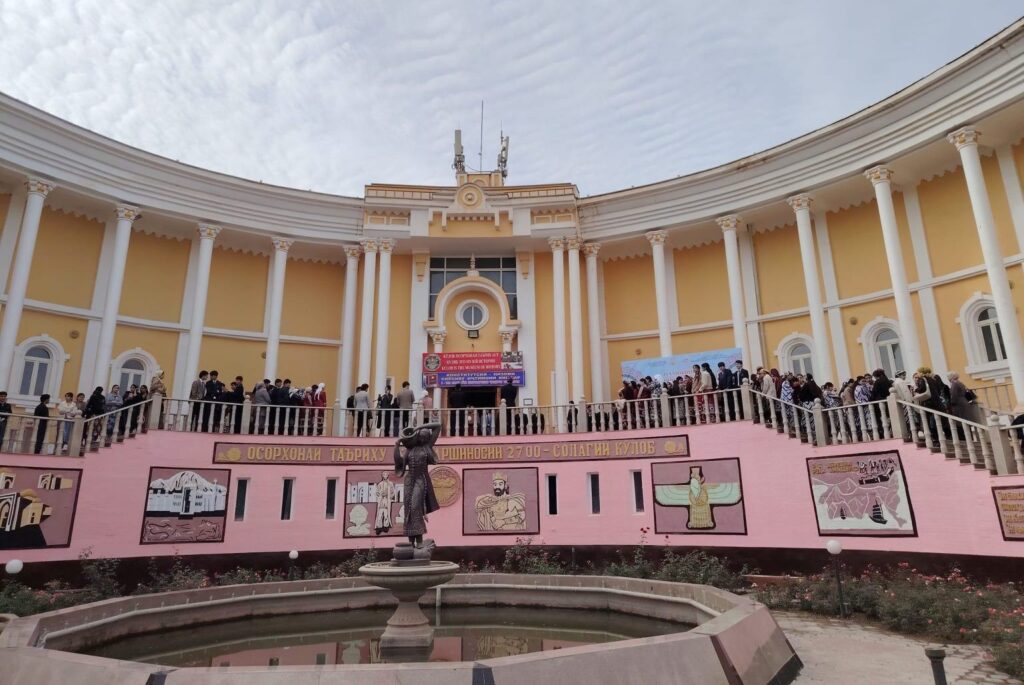
The museum occupies a three-story building, with its exhibits distributed across several thematic departments: history and archaeology; ethnography; the period of Independence (modern history of Kulob); the region’s nature; fine arts and military glory.
The museum’s collection comprises 7040 exhibits, of which 2880 are displayed in the permanent exhibition, while the rest are carefully stored in archives.
Sari-Khosor waterfall
In the Baljuvon district, a natural wonderon — the Sari-Khosor waterfall — lies on the picturesque bank of the Surkhob River. Located in the eponymous nature park, 199 km from Dushanbe, it cascades from a height of 50–57 meters, turning the water flow into a mist that always shines with rainbow colors in the sunlight.
The climate here is contrasting: in summer, the daytime temperature reaches +38 degrees, while at night it drops to +15 degrees. The road to the waterfall is a challenge for thrill-seekers: it is uneven and difficult to pass, so it can only be reached by off-road vehicles. Visiting is recommended only in the summer months — at other times, the path is blocked by river overflows and mudflows, and the weather does not favor warmth.
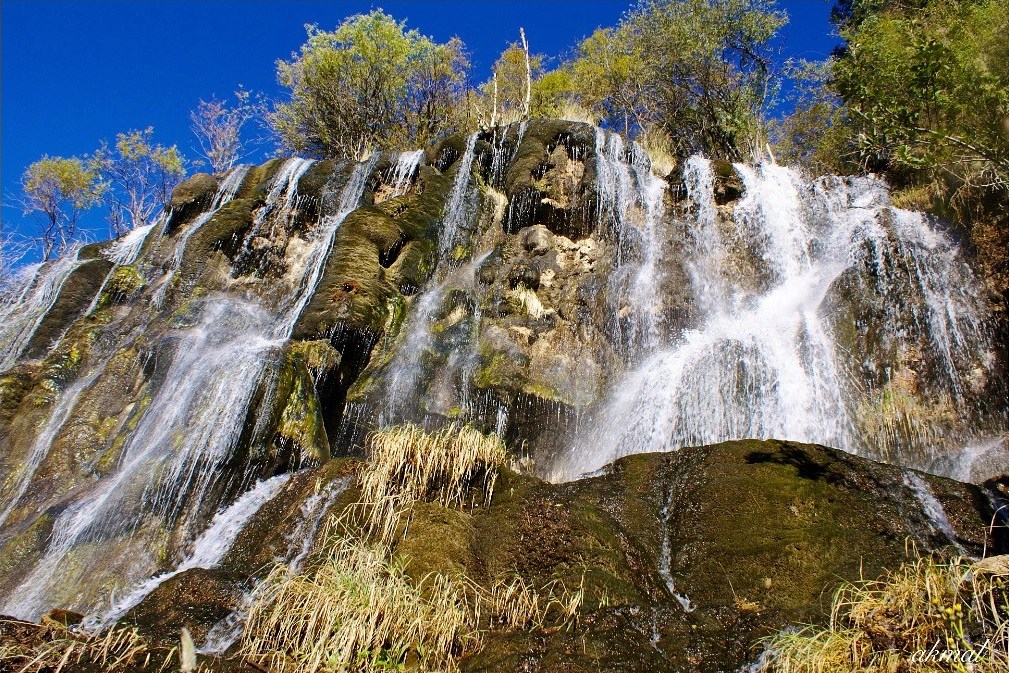
Besides admiring the waterfall, visitors can explore sulfur springs (“Obi gugird”), engage in hunting tourism, or explore the colorful natural sites of Dashti-Angora, Mulokoni, Dashti-Shuro, Sangi-Sabz, and Sangi-Kulula.
Miri Baljuvon Fortress
Another heritage site from the State Register — the historic Miri Baljuvon FortressIn — lies in the heart of the Baljuvon district. Covering an area of 1.7 hectares on the right bank of the Surkhob River, it is an isolated hill that dominates the plain.
Archaeologists date the fortification to the late 19th — early 20th centuries. On the upper tier of the fortress, a 20–25 meter wide platform has been preserved, connecting the two sides of the hill, illustrating the fortification skills of that time.
Khoja-Mumin salt mountain: a geological masterpiece
The Khoja-Mumin isalt mountain n the Vose district is a natural phenomenon of global significance. The giant salt dome, standing at 1334 meters high (880 meters above the surrounding terrain), resembles a colossal bowler hat and is visible even from Earth’s orbit. The cross-length of this oval monolith exceeds 8 km.
Together with the nearby Khoja Sartes deposit, these are some of the largest salt deposits on the planet. The exposed salt walls, reaching heights of up to 500 meters, are striking, with clear light and dark layers mixed with clay.
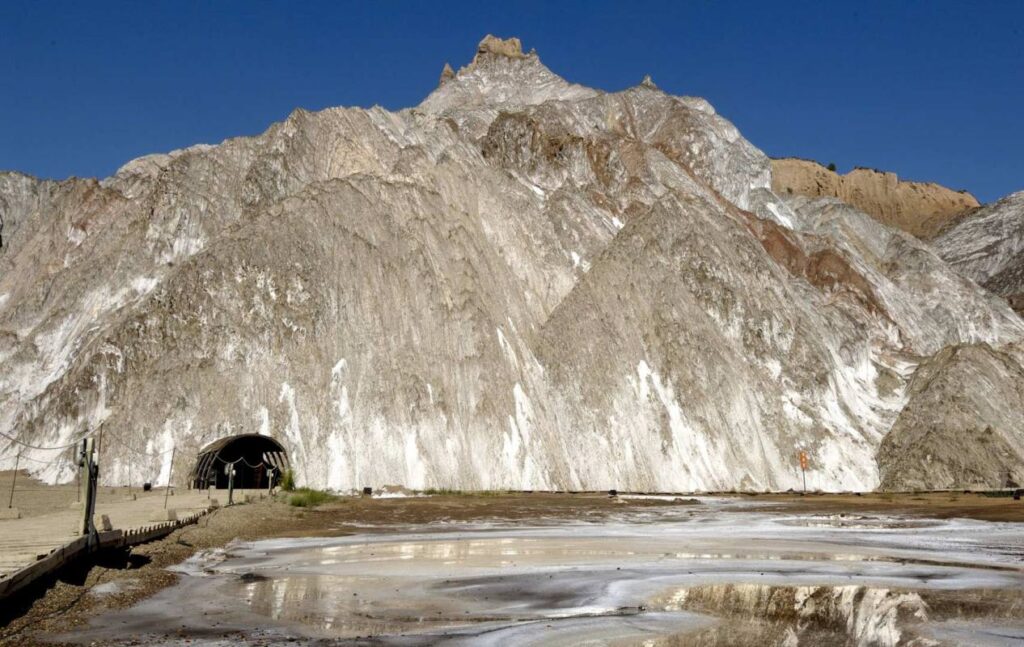
Inside the mountain is a fairy-tale world of caves with stalactites and stalagmites. The height of the halls reaches 10 meters, while the longest cave stretches for 350 meters. On an area of 1128 hectares, there are 163 salt springs, whose water still serves as raw material for local salt production.
Zoli Zar settlement: echoes of times gone by
20 km north of the center of the Khovaling district, near the village of Archa, at an elevation of up to 60 meters above the ground, the ancient Zoli Zar settlement — an outstanding monument of antiquity whose historical significance has been officially recognized at the state level — lies.
This ancient settlement occupies an area of 15 hectares. The settlement is a natural impregnable fortress. In the western part of the complex lies the citadel, occupying one hectare and serving as the administrative and defensive core of the city in ancient times.
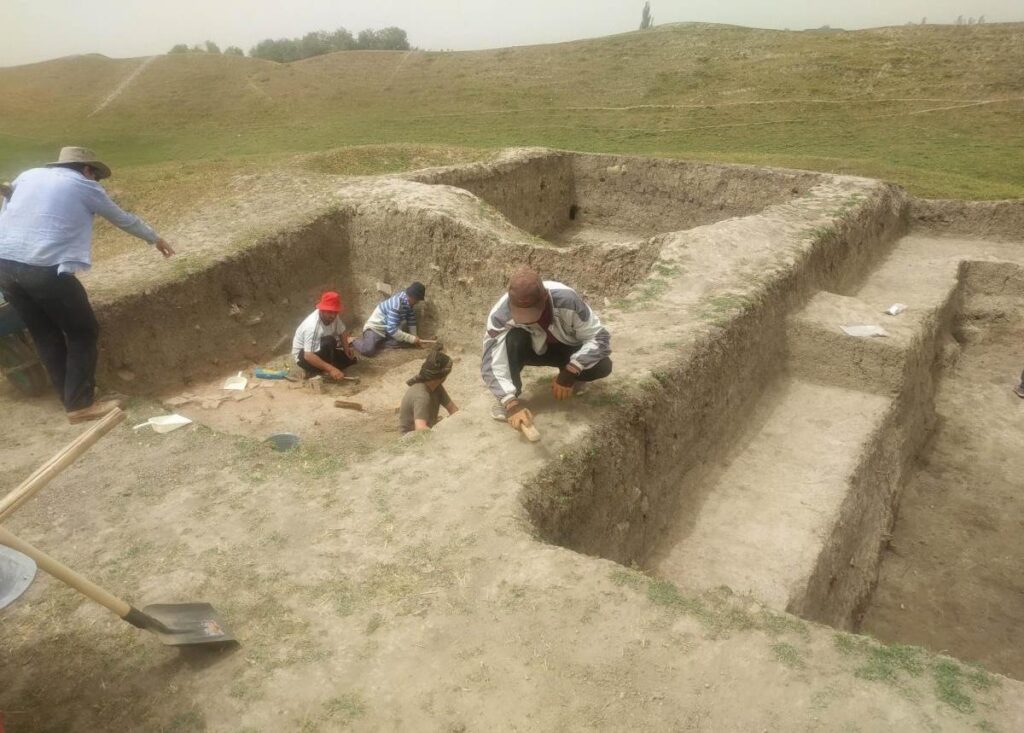
Research confirms that the city of Zoli Zar thrived for seven centuries — from the 1st to the 8th century AD, witnessing several eras — from the prosperity of ancient traditions to the dawn of the early Middle Ages. The cultural layers and remains of fortifications found here allow historians to delve deeper into the life and customs of the peoples who inhabited the foothills of Tajikistan more than one and a half thousand years ago.
Kuldara and Khanaka Sevodara: the dawn of humanity
In the Khovaling district of Tthe Khatlon province, there are unique archaeological sites that have attracted the attention of scientists worldwide for decades. Among them, the Kuldara area, located in the Lohuti jamoat (rural comunity), holds a special place. It is recognized as the oldest site of primitive humans in Central Asia, dating back millions of years.
During large-scale excavations in the 1980s, led by Doctor of Sciences in History Vadim Ranov, the complex stratigraphy of the area was studied. Out of 48 soil layers identified in the region, 30 are present in Kuldara, and invaluable artifacts about a million years old were discovered at the depth of the 11th and 12th layers.
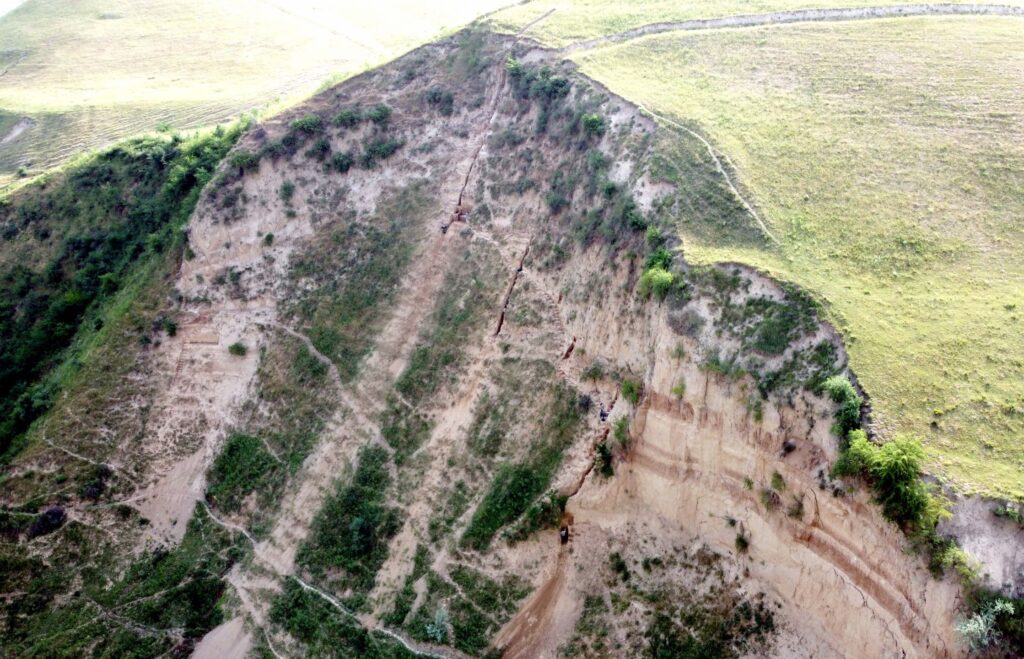
Equally important for historical science is the Khonaqa Sevodara area, located in the Sari-Osiob jamoat, 15 km from the district administrative center. The stone tools found here and in Kuldara have become significant evidence of the Paleolithic era. Today, these unique finds are carefully preserved in the district historical museum, serving as a living testament to the fact that the lands of Khovaling were one of the cradles of human civilization.
Vose Museum-Reserve in Khovaling
Four kilometers from Khovaling is the Vose Museum-Reserve, founded in 1988 and relocated to a new modern building in 2019. Occupying an area of 3.5 hectares with a garden and a hotel, the museum complex is dedicated to the memory of the leader of the 1885 peasant uprising Vose (Abdulvose). A six-meter monument to Vose stands at the entrance, emphasizing his significance for the Tajik people.
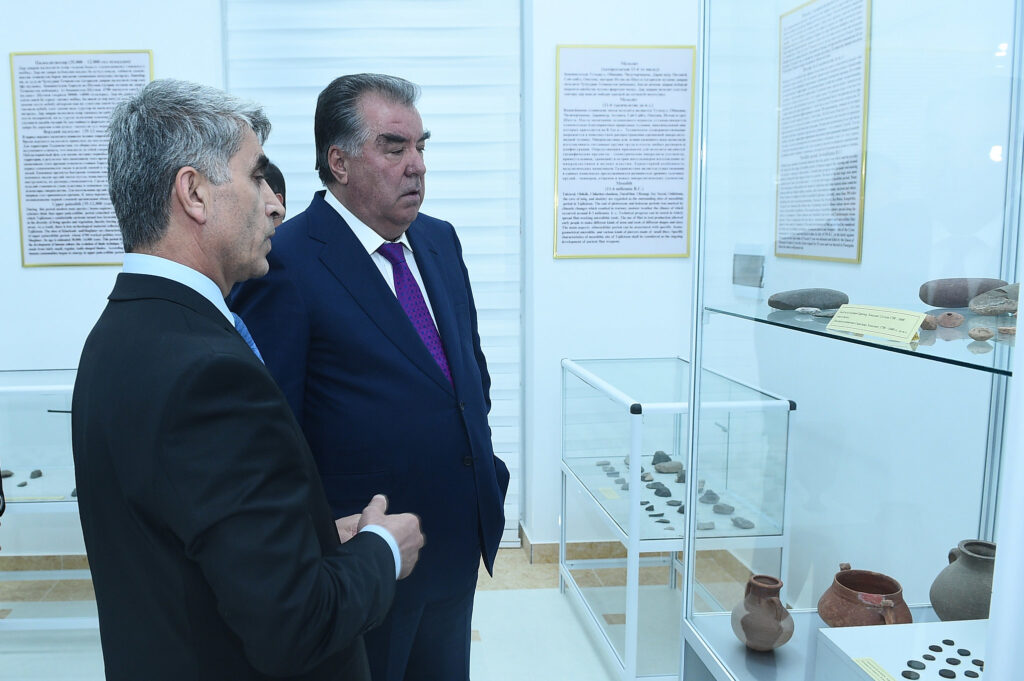
The museum’s collection comprises almost 1900 items, including personal belongings of the hero’s family, ancient manuscripts, copper and stone products, and documents on the history of the revolutionary movement. The exhibition provides a detailed account of the political and economic development of the region at the turn of the 19th–20th centuries and presents a rich collection of decorative arts — from antique works of past masters to creations by contemporary artisans of Khovaling.
Wonderful architectural and scred sites in Shamsiddin-Shohin distirct
There is a legent about the crypt of Hazrati Emom Asghar in the high-mountain jamoat of Langardara of the Shamsiddin-Shohin district. This place attracts thousands of believers with its sacred power and incredible location: the mausoleum is situated at an altitude of about 3000–3500 meters above sea level. The journey here is a path to spiritual purification among majestic peaks.
Besides, there is a legent about another wonderful architectural and sacred sites in the district is the mausoleum named after the Sixth Shi’a Imam Jafar Sadiq. This mausoleum is located in the Hazrati Emom village, at the Bolodara in Dastijum area of this district. The mausoleum consists of a small tower entrance with an area of 1.8 square meters and two rooms. A shrine with an area of 16.96 square meters and a tomb with an area of are located there.