



We often dream of foreign resorts, sometimes forgetting that the most vivid routes are just a few hours’ drive from home. Domestic tourism in Tajikistan has ceased to be just an alternative to foreign travel — today it is a dynamically developing sector of the economy and a way to rediscover one’s own country. This includes the usual leisure by water bodies, hiking in the mountains, nature reserves and sacred places, ancient fortresses and settlements.
Today, ethno- and gastro-tours, weekend tours, ecotourism, and glamping in nature are gaining increasing popularity. What locations are becoming trends, what the government is doing to modernize infrastructure, implement quality service standards, and make domestic trips accessible for every family — all these questions were answered by “Asia-Plus” in the Tourism Development Committee under the Government of Tajikistan.
– What place does the development of domestic tourism occupy in the work of the Tourism Committee?
– We consider domestic tourism as a strategic direction that simultaneously solves several tasks: stimulates economic activity in the regions, creates new jobs, supports small and medium-sized businesses, and also contributes to strengthening national identity. Therefore, this direction occupies one of the central places in our activities.
Thanks to systematic support from the government of the Republic of Tajikistan, favorable conditions for citizens’ travel within the country are being formed, the tourist infrastructure is expanding, and the quality of services provided is improving.
The state actively supports the industry by improving infrastructure and promoting unique natural and historical-cultural attractions, which makes tourism one of the fastest-growing sectors of the economy. Dozens of routes have been developed, including sanatorium treatment, mountain tourism, and excursions to historical monuments.
In recent years, there has been a steady positive dynamic. The number of citizens choosing to travel within the country is increasing, the range of tourist services is expanding, and new routes and formats of recreation are appearing.
It is especially important that domestic tourism is becoming more diverse: in addition to traditional nature recreation, there is growing interest in cultural and educational trips, ethno- and gastronomic tourism, as well as short weekend tours.
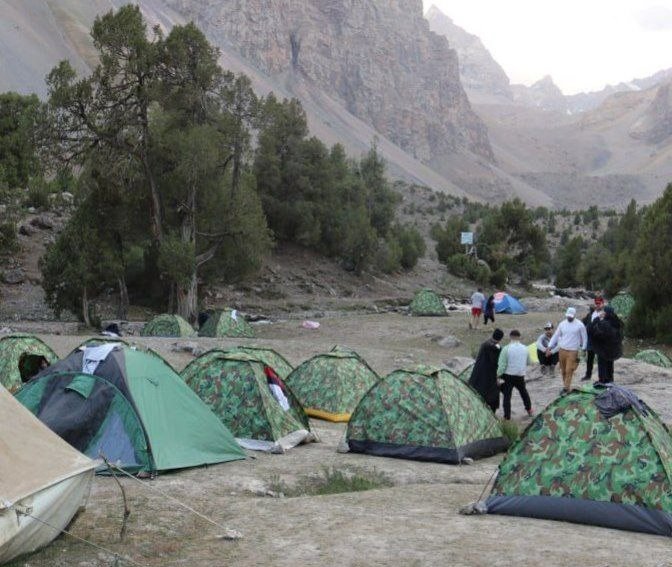
The infrastructure for camping and glamping is developing as one of the promising and budget-friendly areas of nature recreation.
– What campaigns are you conducting to popularize domestic tourism?
– We are building comprehensive work to promote domestic tourism. These are not one-time actions but systematic activities aimed at forming a sustainable interest among the population.
In particular, the Committee organizes tourist festivals, cultural events, exhibitions, and fairs, which are held both in the capital and in the regions. These events not only attract attention to tourist opportunities but also involve the local population in tourism activities.
A separate direction is the organization of info-tours for media representatives, bloggers, and tourist companies. This allows demonstrating real routes and creating a positive informational background.
Thus, in 2025, for the first time, a festival was organized to mark the start of the domestic tourism season, which, in our opinion, served as a good impulse to attract attention to travel within the native country.
In addition, we are actively developing digital promotion: social networks, online platforms, information resources. Special attention is paid to the youth audience, as it is the one forming the future demand for domestic tourism.
– How many tour companies work in the field of domestic tourism? How do you interact with them?
– There are 191 tourist companies operating in the country, 22 of which are involved in organizing domestic tours. We build our interaction with them on the principles of partnership. The Committee not only regulates the industry but also provides assistance to businesses. In particular, we involve tour operators in the development and promotion of new routes, organize joint projects and events.
Moreover, we provide consulting and methodological support, creating platforms for dialogue between the state and business.
It is important to note that the active participation of the private sector is a key factor in the successful development of domestic tourism.
– What locations and routes are of the greatest interest to our citizens?
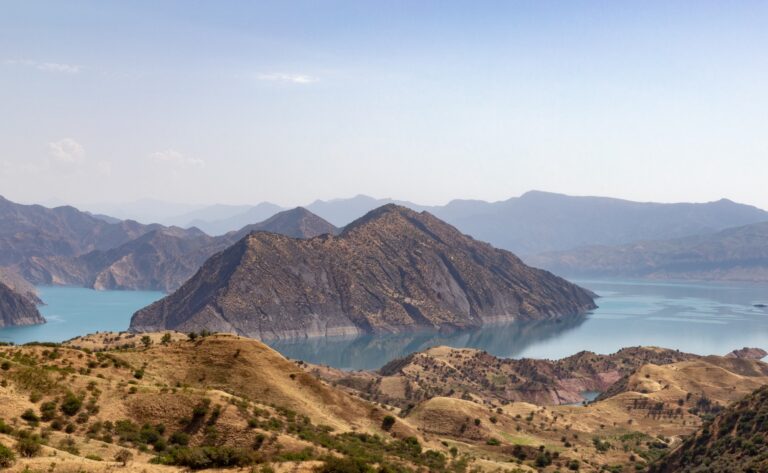
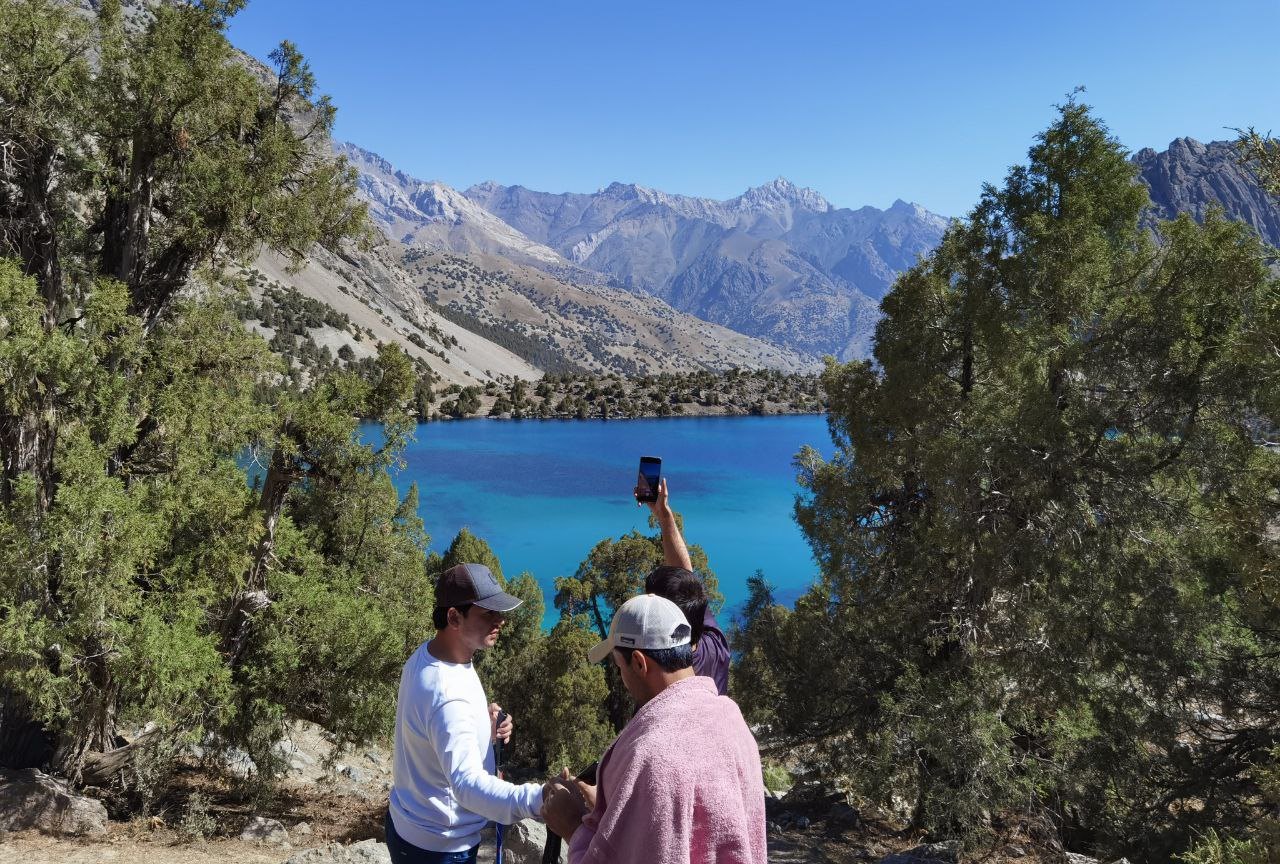
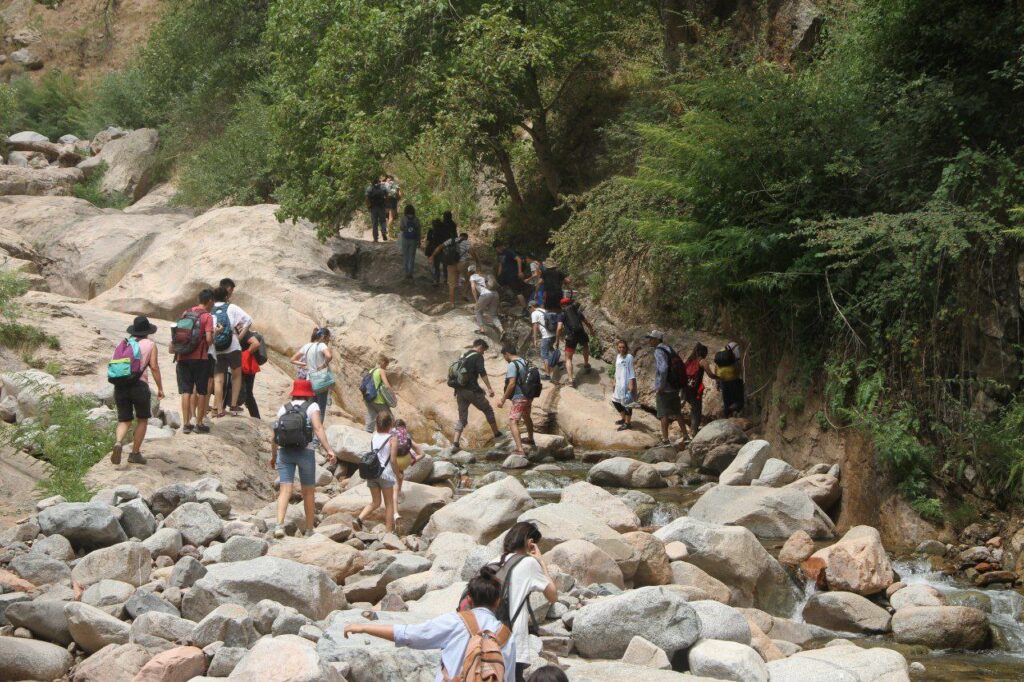
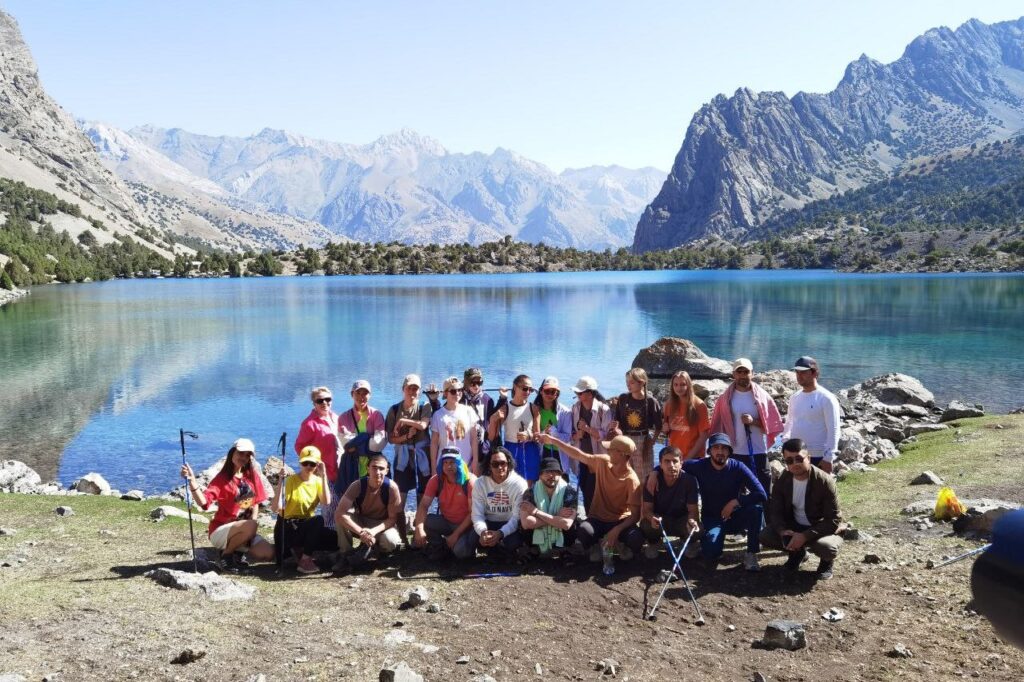
– Today, these are mainly natural and mountainous destinations, as well as recreational areas by water bodies — rivers and lakes. This is due to both the geographical features of the country and the growing demand for eco-friendly and active recreation.
In addition, there is sustained interest in historical and cultural sites, especially within family and educational trips.
Popular destinations include the Gorno-Badakhshan Autonomous Region, Sughd Region, and areas of republican subordination. At the same time, we note a growing interest in short trips — for one or two days, which also influences the formation of new tourist products.
– What new locations, perhaps little known to a wide range of Tajik citizens, do you plan to promote?
– One of our priorities is the diversification of tourist destinations. We strive to reduce the load on already popular locations and simultaneously unlock the potential of less known territories. In this context, special attention is paid to:
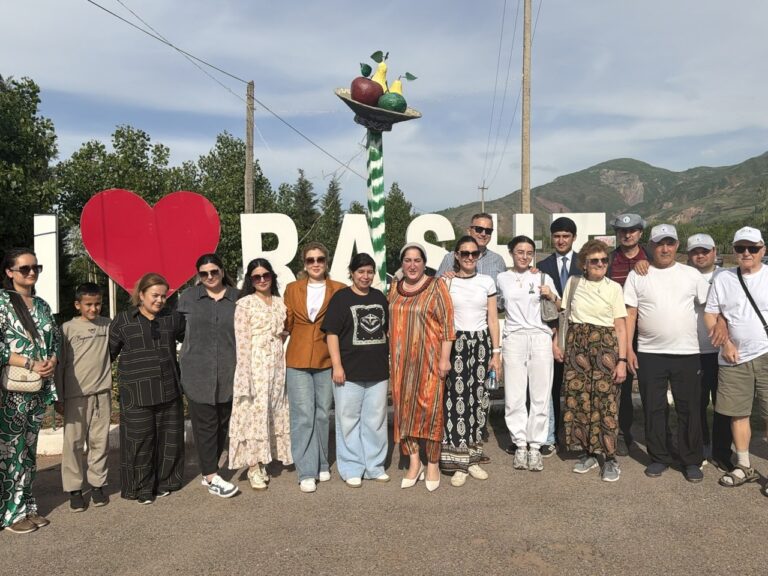
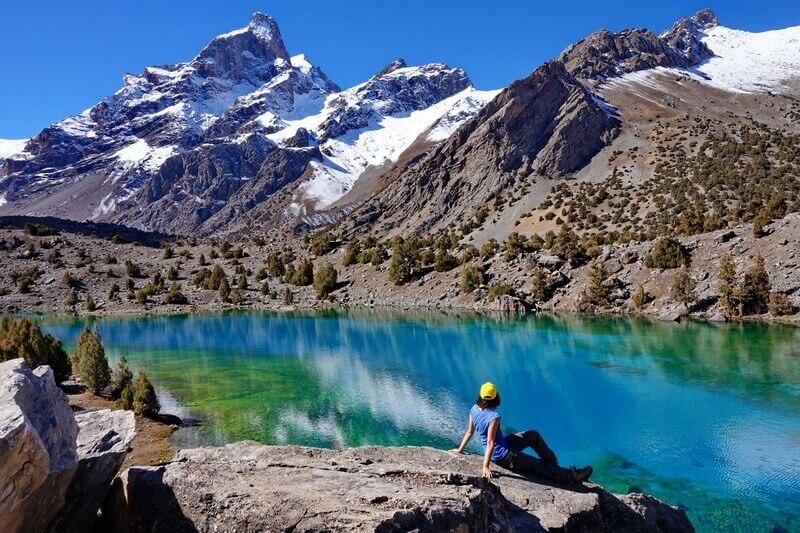
• developing ecotourism in remote mountain areas, particularly the Rasht Valley;
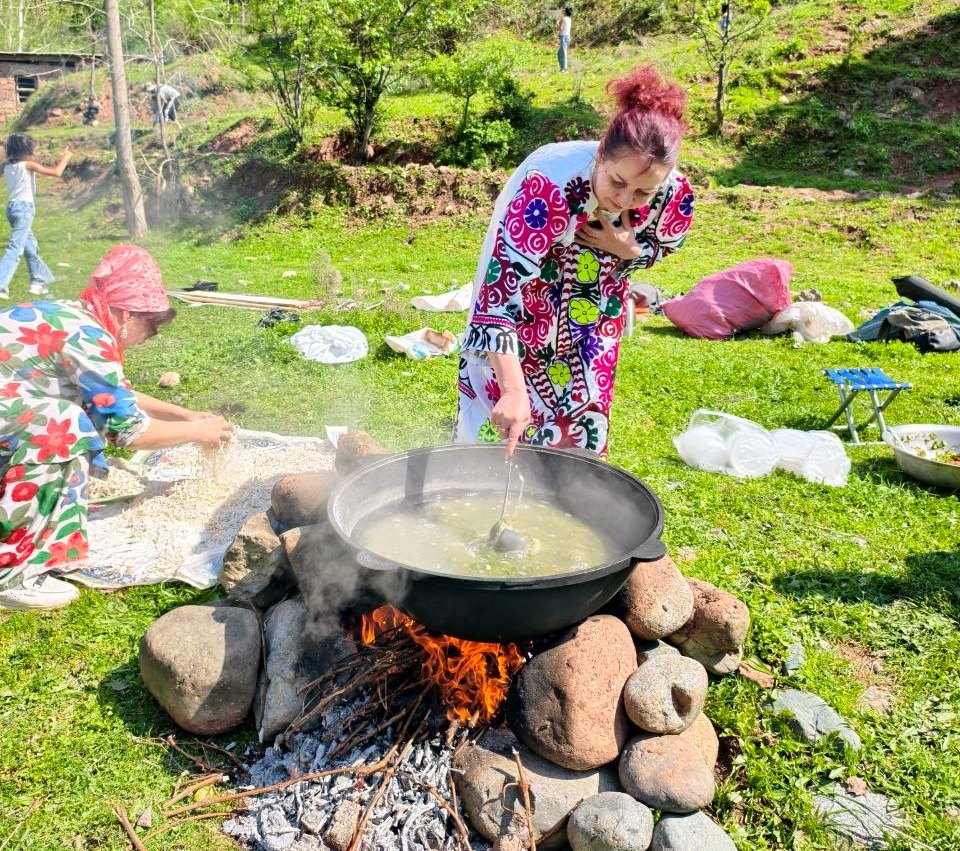
• promoting rural tourism, including guest houses;
• supporting craft and ethnocultural centers;
• creating complex routes that combine several regions.
Such directions allow tourists to gain a more authentic experience, and local communities — additional sources of income.
– What are the main problems and obstacles for the development of domestic tourism that you see?
– Despite the positive dynamics, there remain a number of systemic challenges. First and foremost is infrastructure issues — in some tourist areas, roads, engineering networks, and service facilities are insufficiently developed.
The second aspect is transport accessibility, especially to remote regions.
The third is the quality of service, which requires further improvement and standardization.
And finally, an important factor is the level of public awareness about the tourist opportunities within the country. We are working systematically with all relevant government and private organizations to address these issues.
– Tourists, both foreign and local, often complain about the service — the lack of toilets, few dining options, and unsanitary conditions in them. How can these problems be solved?
– We consider these issues as priorities since service quality directly affects the overall impression of tourists.
Currently, the Committee, together with other interested departments and local authorities, is implementing measures to introduce service quality standards and develop sanitary infrastructure in tourist areas.
Moreover, events are being held to improve the qualifications of tourism sector workers and monitor the condition of catering and leisure facilities. It is important to understand that solving these issues requires a comprehensive approach and time, but positive changes are already being observed today.
– Travel within the country often hinges on the cost of transport and accommodation. How can domestic tourism be made more affordable?
– Accessibility is one of the key issues for the further growth of domestic tourism. We see several directions for solutions:
• expanding competition in the service market;
• developing budget accommodation options such as guest houses;
• forming affordable tourist packages;
• promoting short weekend tours.
In addition, mechanisms are being considered for interacting with transport companies to optimize transportation costs.
Our task is to create conditions in which traveling around the country will be accessible to various categories of the population: so that a trip for a holiday in another region does not strain the family budget.
– What tasks for the development of domestic tourism do you set for yourself for the next year or two?
– For the near future, the Committee has defined a number of priority tasks. Among them:
• development and modernization of tourist infrastructure;
• implementation of quality standards and improvement of service levels;
• activation of domestic tourism among the population;
• digitization of the industry, including the development of online services;
• promotion of new tourist routes and destinations.
As a result of the measures already being taken, we see growing interest among citizens in traveling around the country, the geography of tourist routes is expanding, and a culture of domestic tourism is being formed.
Overall, the consistent policy of the Tajikistan government is aimed at turning domestic tourism into an accessible, sustainable, and socially significant sector of the economy.