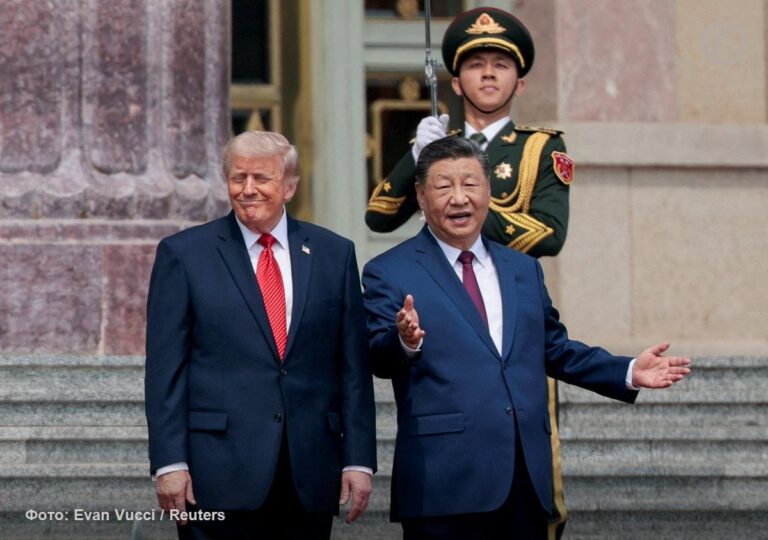
The United Nations is facing serious financial difficulties due to delays in contributions from its largest donors — the United States and China, which together account for about 42% of the organization’s budget. This was reported by The Wall Street Journal (WSJ) on May 29.
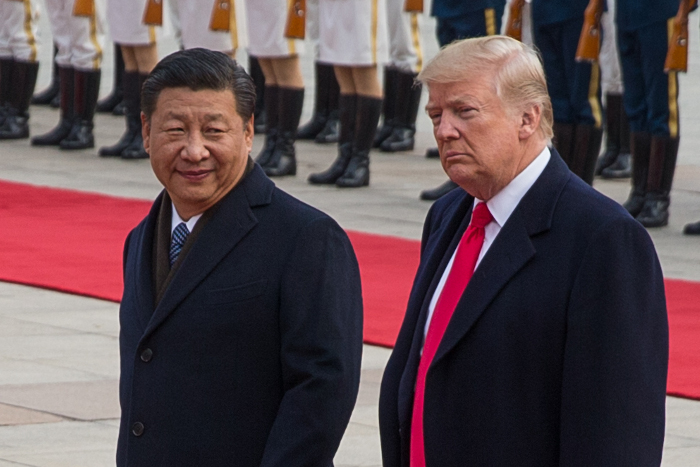
According to the publication, the United States’ debt to the UN exceeds $4 billion. China, despite a recent transfer of nearly $850 million during the visit of Chinese Foreign Minister Wang Yi to the organization’s headquarters in New York, still has not paid approximately $455 million.
Beijing assures that it will meet its financial obligations and emphasizes its important role in supporting UN activities.
Washington, in turn, links further funding to the implementation of reforms and cost reductions.
Among the proposed measures are reducing staff numbers, cutting business-class travel expenses, and more actively using machine translation technologies.
A funding reduction is also observed from other major donors. The United Kingdom and Germany have decreased the amount of funds directed towards humanitarian programs combating hunger and diseases.
The decrease in contributions from Sweden and the Netherlands is attributed by the publication to changes in the political course of these countries.
As noted by Deutsche Welle, back in October 2025, UN Secretary-General António Guterres warned of the risk of a financial crisis within the organization. Estimates suggest that available resources may last only until mid-August. Against this backdrop, the issue of selecting Guterres’s successor, which member states must approve by the end of 2026, becomes increasingly significant.
Due to the funding shortfall, the UN has already been forced to implement a number of cost-cutting measures. The organization has closed some of its divisions and reduced approximately three thousand positions in the secretariat. Additionally, working shifts for translators have been cut, escalators have been turned off in some offices, and the renovation of the headquarters facade in New York has been postponed indefinitely.
Cost-cutting has also affected peacekeeping activities: the withdrawal of contingents from certain conflict zones in Africa has been accelerated, and expenses for peacekeeping operations have been reduced. Furthermore, the UN has postponed payments to Nepal, Bangladesh, and other countries providing troops for “blue helmet” missions.
As The Wall Street Journal notes, the organization’s options for overcoming the crisis are limited. The UN is not allowed to take out loans, and management has limited authority to restructure operations and reduce staff, which accounts for about 70% of expenses. Even attempts to implement relatively small cost-saving measures sometimes meet resistance from diplomats and member states of the organization.