
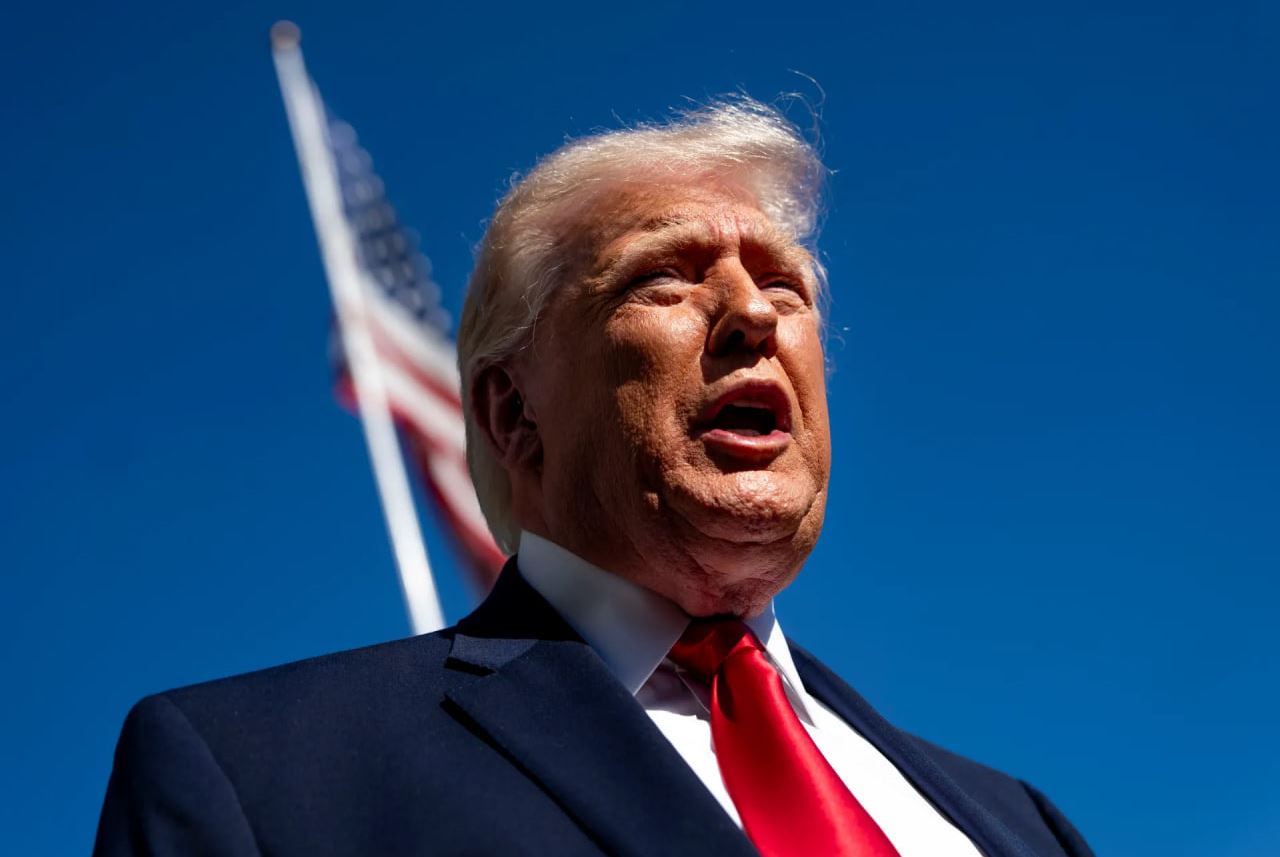
U.S. President Donald Trump announced that the United States Navy is “beginning a blockade of any ships trying to enter or exit the Strait of Hormuz.” He wrote about this in his post on Truth Social.
“I have also ordered our Navy to search and intercept every vessel in international waters that has paid tribute to Iran. No one paying illegal tribute will have safe passage on the open sea. We will also begin to destroy the mines laid by Iranians in the straits. Any Iranian who fires at us or at civilian ships will be blown to smithereens!” Trump threatened.
According to him, “the blockade will begin shortly” and other countries will join it.
Speaking about the results of the U.S.-Iran negotiations in Islamabad on April 11-12, Trump noted that “in many ways, the agreements reached are better than continuing military operations to the end,” but the parties were unable to agree on the most important issue – Iran’s nuclear program.
In an interview with Fox News, he again threatened to strike Iran’s civilian infrastructure if Tehran refuses to accept Washington’s terms for resolving the conflict. Trump noted that the U.S. has “practically destroyed the entire country” and is ready to deliver a “very destructive” blow to the water-energy infrastructure.
“I would not want to do that, but it’s their water, their desalination plants, their power plants that we could very easily hit. We could disable them all so that they won’t have electricity for 10 years because it takes a decade to build these plants from scratch,” the U.S. president stated.
At the same time, Trump believes that Iran will eventually return to the negotiating table and accept all U.S. terms because “they [the Iranians] have no trump cards.”
Two-Week Ceasefire and Failed Negotiations
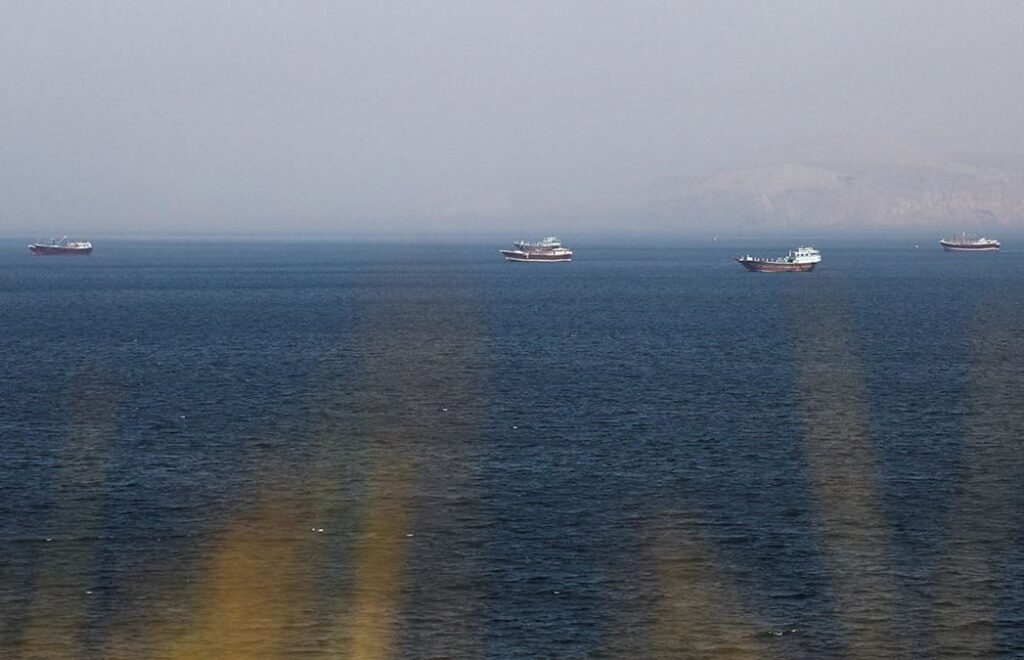
On the night of April 8, the U.S. and Iran agreed to a two-week ceasefire. One of the conditions for the temporary truce was the opening of the Strait of Hormuz, through which about 20% of the world’s oil supplies pass. On the first day after the agreements were reached, Iran allowed several ships to pass, but then closed the strait again due to ongoing Israeli strikes on Lebanon.
On April 11-12, more than 20-hour negotiations between the Iranian and U.S. delegations took place in Islamabad with Pakistan’s mediation, resulting in the parties failing to reach a peace agreement.
“We just couldn’t reach a situation where the Iranians would accept our conditions,” said U.S. Vice President J.D. Vance following the negotiations.
He noted that during the Islamabad talks, the American side was unable to secure a commitment from the Iranians on the key issue of not developing nuclear weapons in the future.
The Iranian Foreign Ministry, in turn, stated that the parties reached mutual understanding on several issues, but there remained disagreements on “two or three key issues.” These include the U.S.’s demand for the removal of enriched uranium from Iran and the issue of control over the Strait of Hormuz.
After the unsuccessful conclusion of the talks, the Islamic Revolutionary Guard Corps (IRGC) announced that the Strait of Hormuz is under Iran’s full control and any attempt by enemy warships to pass through it will be met with fire.
“The enemy will find themselves in a deadly vortex in the strait if they make a wrong move,” the IRGC statement was quoted by BBC.
Speaker of the Iranian Parliament Mohammad Bagher Ghalibaf, who led the Iranian delegation in Islamabad, stated that Tehran will not yield to Trump’s threats of a naval blockade of the Strait of Hormuz.
“If they fight, we will fight, and if they act logically, we will act logically. We will not succumb to any threats; let them test our will once more so we can teach them an even more serious lesson,” he said.
Iranian Foreign Ministry spokesman Esmail Baghaei stated that “diplomacy never ends,” indicating that Tehran is not in a hurry to conclude an agreement with the U.S.
“It was not expected that we could reach an agreement in one round of negotiations. I don’t think anyone had such expectations,” he said.
Whether the next round of negotiations will take place and when it might occur remains unclear.
