Economic growth in the countries of Europe and Central Asia will significantly slow down due to the consequences of the Middle East conflict, geopolitical tension, and fragmentation of trade links. This forecast is given in a review of the economic situation in the region, published by the World Bank, reports UN News.
It is expected that in 2026, the growth rates in the region will be 2.1%. In Russia, economic growth will slow to 0.8%, and in other countries of the region — to 2.9%, which is associated with rising energy prices, limiting consumption, and uncertainty affecting investments.
“The resilience of the region continues to be tested, as several countries depend on imports of natural gas, oil, and fertilizers,” said Antonella Bassani, World Bank Vice President for Europe and Central Asia.
She emphasized that many countries need to focus on overcoming the crisis’s consequences, especially on measures to protect vulnerable populations. Continuing political reforms aimed at ensuring sustainable growth and job creation will also help mitigate the crisis’s impact.
It is forecasted that in 2026–2027, growth in Central Asia will slow to 4.9% amid stabilizing oil production in Kazakhstan.
In Central Europe, growth in 2026 will be 2.4%, and by 2027 will decrease to 2.3%, with EU-funded government investments partially compensating for the decline in consumption.
In the Western Balkans, economic growth in the coming years will average 3.1%, thanks to infrastructure investments and active export of services. In Ukraine, economic growth in 2026 will decrease to 1.2% due to ongoing hostilities, rising energy prices, and budgetary problems.
The Middle East conflict remains a key risk that could seriously limit global supplies of energy resources and fertilizers. This could lead to higher energy and food prices, further slowing economic development in the region.
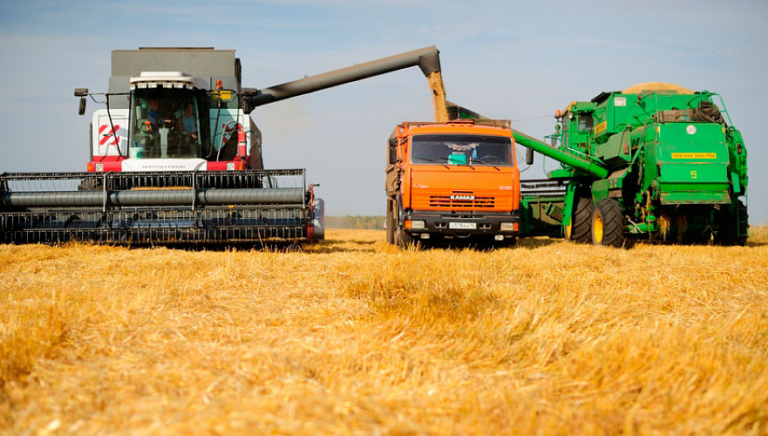
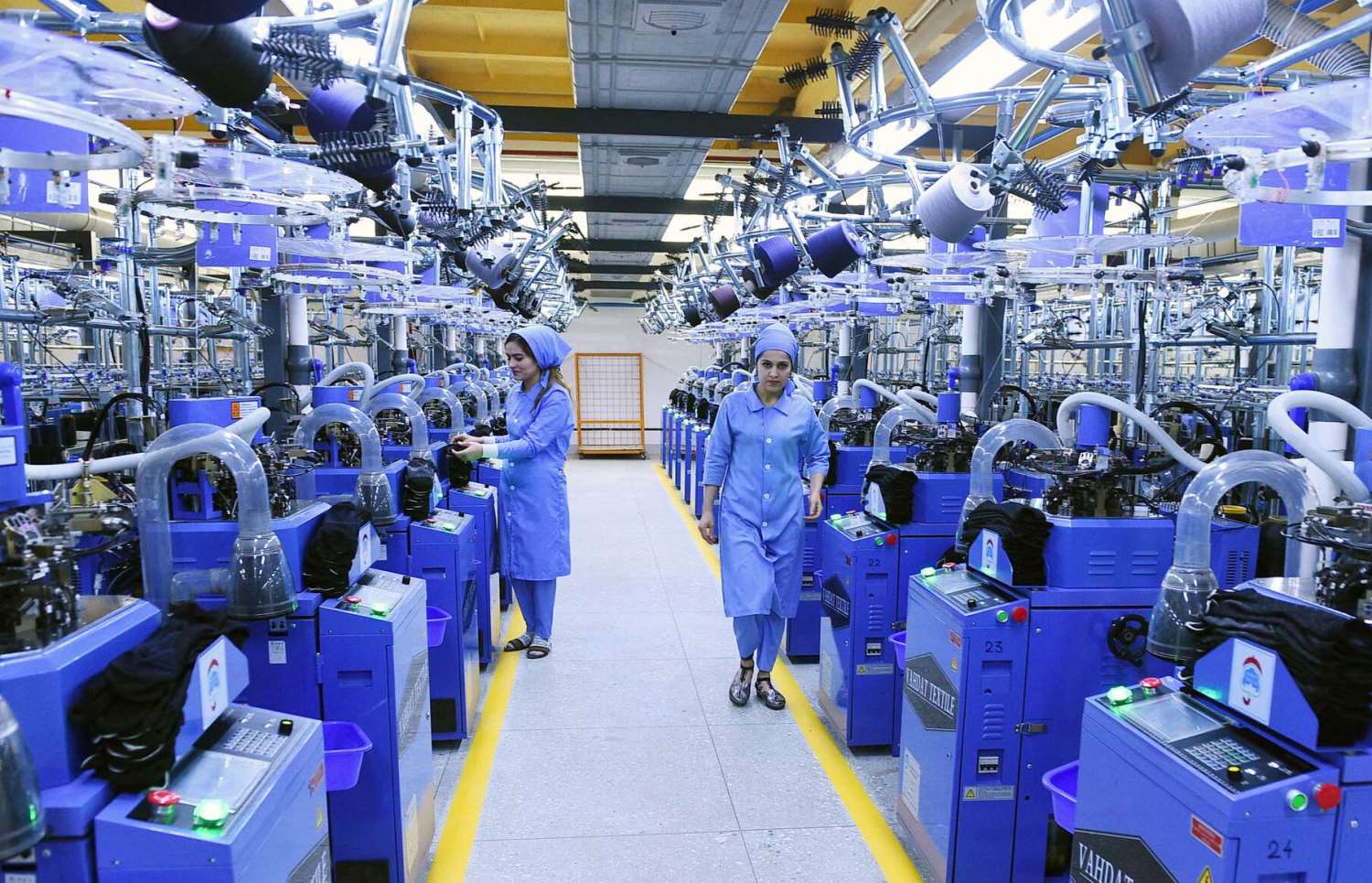
Industrial policy in the countries of the region is also changing. The slowdown in labor productivity growth over the past decade has prompted policymakers to complement reforms with industrial policy aimed at supporting specific sectors or companies. Experts believe that the countries in the region should focus on measures that strengthen future competitiveness, such as supporting high-tech industries and creating new production facilities. At the same time, nearly two-thirds of all industrial policy measures are currently focused on agriculture and food production.
Ivailo Izvorski, a representative of the World Bank, noted that for more dynamic productivity growth and job creation, the countries in the region need to focus on political reforms that will facilitate the modernization of the business environment, stimulate entrepreneurship, and improve the quality of education.
Experts emphasize that industrial policy should support new and dynamic companies, rather than protect old ones, such as state-owned enterprises. It should strengthen competition, not undermine it.