Kazakhstan intends to expand the supply of grain and food products to Tajikistan, offering more flexible cooperation conditions.
As reported by inbusiness.kz, the issue was discussed in Astana against the backdrop of growing demand and tasks to ensure food security in the region.
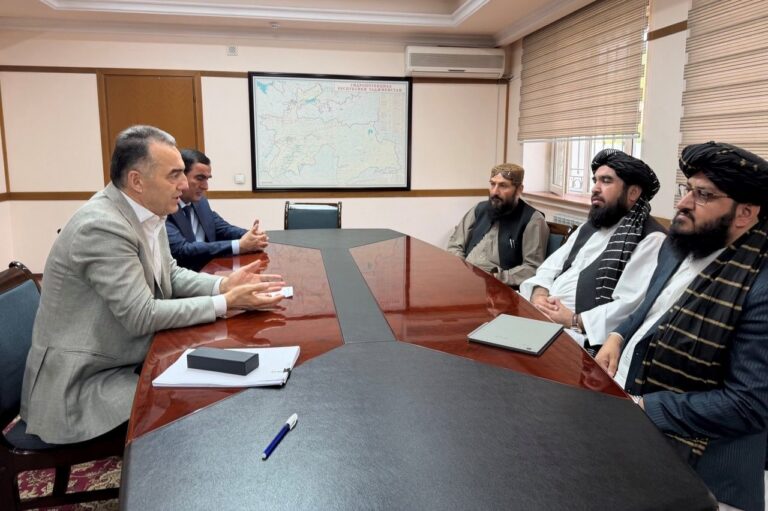
The parties — Kazakhstan’s Food Corporation and the Agency for State Material Reserves under the Government of Tajikistan — agreed to deepen cooperation in the field of food supply.
According to the head of the Tajik agency, Nurmahmad Akhmadzoda, the republic plans to import up to 1.3 million tons of grain this season. At the same time, Dushanbe is interested not only in purchasing grain but also flour and sunflower oil.
During the meeting, it was noted that Kazakhstan traditionally remains a key supplier of wheat and flour to Tajikistan.
Internal production in the republic covers only about 40% of the needs, so imports play an important role. In 2025, the supply of Kazakh wheat reached a record level — 1.2 million tons over the past five years.
The First Deputy Chairman of the Board of JSC “NC “Food Corporation” Ildar Ismagulov expressed readiness to expand cooperation.
“The Food Corporation performs strategic functions similar to the agency in ensuring food security. Our partnership has stood the test of time and is based on mutual trust and understanding of common tasks. For our part, we are ready to offer flexible supply mechanisms, guarantee stable volumes of grain and necessary food to Tajikistan,” assured the company representative.
The Tajik side invited representatives of the Food Corporation to visit Dushanbe to get acquainted with the grain storage infrastructure and consider the possibility of participating in projects for the construction of new elevators and processing facilities.
In turn, the Kazakh company expressed readiness for further expansion of cooperation, emphasizing that it can ensure stable grain supplies and offer flexible interaction mechanisms.
By “flexible supplies,” conditions are understood in which the volumes and delivery times can change depending on the buyer’s needs. The supplier can respond more quickly to demand and, if necessary, increase or decrease supplies, which are not rigidly fixed and adjust to the market situation.
Following the negotiations, the parties confirmed their interest in a long-term partnership and agreed to work out the issue of concluding a contract. It is expected that the implementation of these agreements will strengthen food security and the stability of agricultural markets in Central Asia.