

The statistics of deaths in detention places, the number of those sentenced to life imprisonment and their conditions, the freedom of lawyers, and attacks in prisons were the topics of questions posed by members of the UN Committee against Torture to representatives of Tajikistan on April 14–15 in Geneva.
What were the responses of the representatives of the Tajik authorities, whose delegation was headed by Justice Minister Muzaffar Ashuriyon – read in this material.
The information below is based on the report of Tajik officials at this meeting, and the video recording is published on the official website of the Committee. It is noted that although the authorities reported for the period 2018-2025, some figures were only announced from 2019.
According to the Deputy Prosecutor General of Tajikistan, Umed Karimzoda, the punishment for torture has been tightened in the republic, and now those who use torture face up to 15 years in prison.
According to him, out of 105 complaints of torture, 92 concerned men and 13 — women.
Also, one of the complainants was a minor, 69 people were aged 18 to 30, and another 35 were aged 30 to 60.
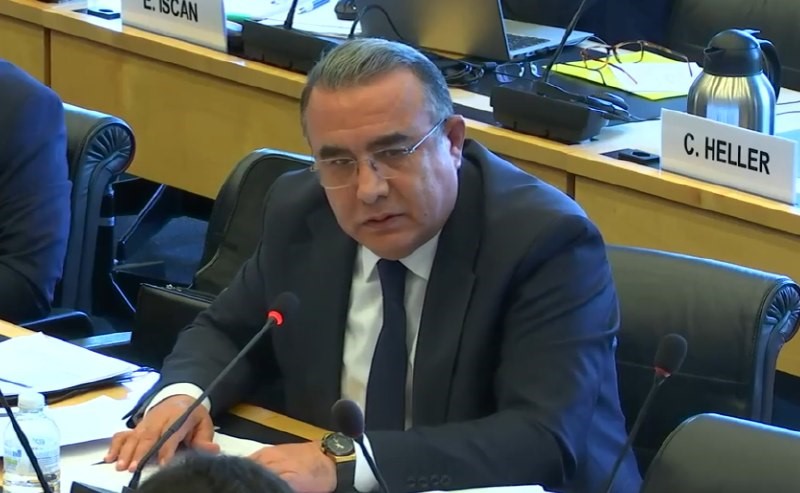
Responding to the Committee’s concern about the discrepancy between the number of complaints and the number of initiated criminal cases, Karimzoda noted that “not every appeal contains signs of a crime under Article 143 of the Criminal Code (torture).”
“In a number of cases, checks establish the legality of the use of physical force, in others – the facts are not confirmed. Moreover, sometimes criminal cases are initiated under other articles of the Criminal Code, including abuse of power, misuse of authority, or unlawful detention,” he added.
449 deceased prisoners in 6 years
The Minister of Justice of Tajikistan Muzaffar Ashuriyon reported that over the past six years, 449 people have died in the country’s prisons. According to him, most deaths are related to various diseases, including cardiovascular, tuberculosis, respiratory tract diseases, digestive system issues, cancer, and others.
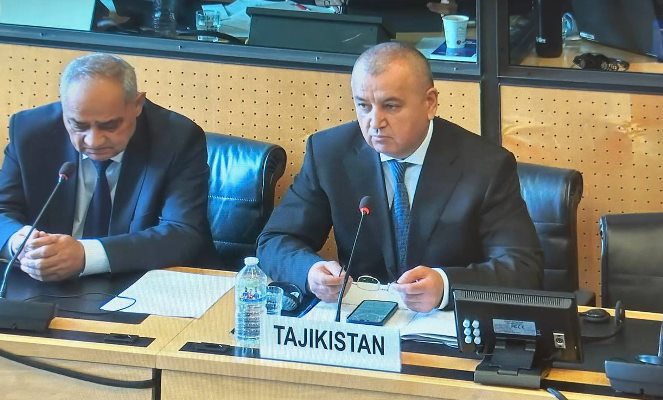
The prosecutor also noted that law enforcement officers are not exempt from criminal responsibility for the use of torture.
During the same period, 8 women died in detention places, and these cases are not related to torture. According to the minister, the causes were stroke, diabetes, acute cerebrovascular accidents, and chronic diseases.
The minister provided detailed mortality statistics by year:
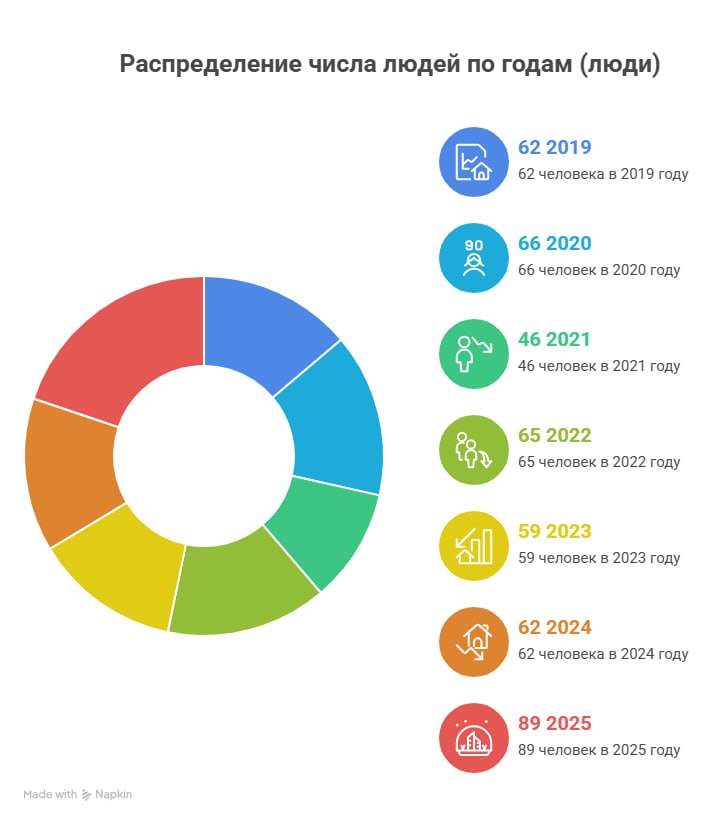
According to Ashuriyon, in 2025 the number of deceased significantly increased.
The causes of deaths were:
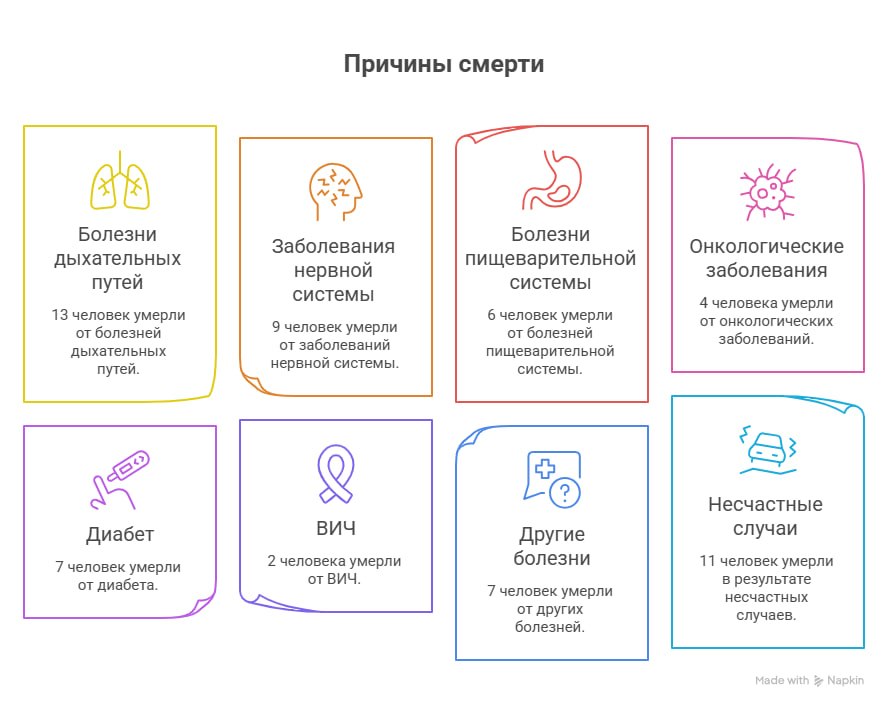
The minister emphasized that every death in correctional facilities is thoroughly investigated for any links to torture or other forms of violence. However, he did not specify whether any cases of deaths in prisons related to torture were identified.
While the Tajik authorities associate most deaths with diseases, Committee members pointed to the possible presence of torture and a lack of medical services in prisons.
725 victims of human trafficking over 8 years
The Tajik authorities reported that from 2018–2025, 725 victims of human trafficking were identified. In 2018–2023, the number of such victims was 99, of which 25 were returned from the UAE, Turkey, Saudi Arabia, and India.
In 2023–2025, the number of cases rose to 626, among the victims were 109 women. During this period, 27 people, including 9 women, were returned from the UAE, Turkey, Myanmar, Armenia, Russia, and Iran.
It is reported that 317 victims were referred to social and state organizations for assistance, and 305 victims received financial support amounting to more than 757 thousand somoni.
Hazing: death of three servicemen
One of the Committee members noted that “despite efforts, problems with military service in Tajikistan remain.” He also mentioned the intimidation of conscripts’ parents and inquired about how to prevent such situations and how to protect those who report torture in the army.
Representatives of the Tajik authorities stated that the military prosecutor’s office regularly conducts inspections in military units and that any cases of violence, including hazing, physical or sexual violence, as well as defamation, are investigated under the law.
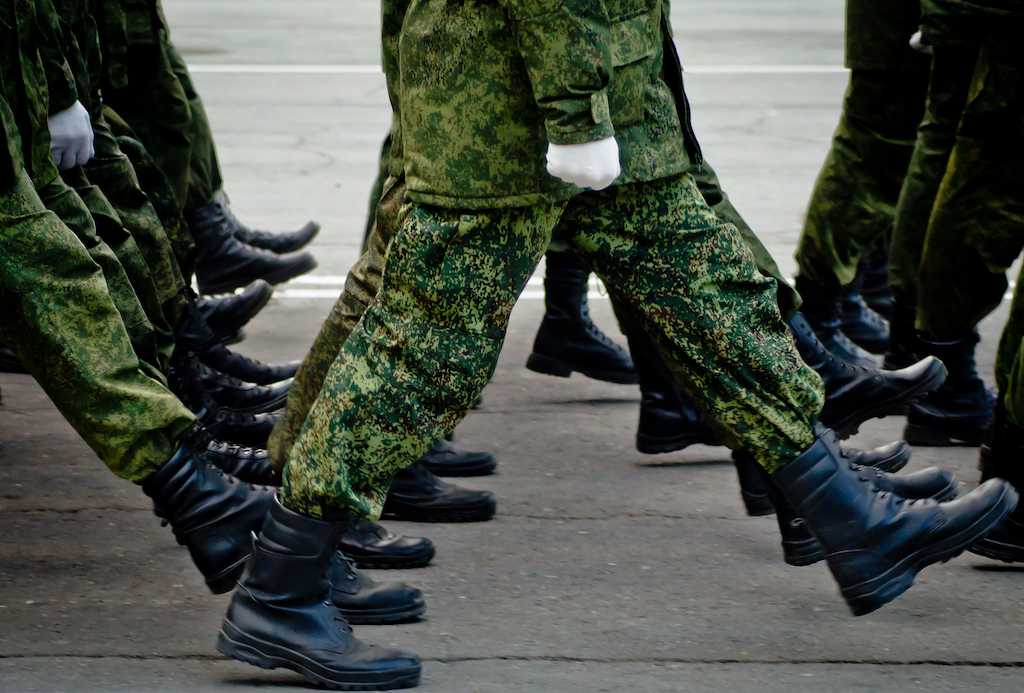
According to the authorities, since 2022, 5 cases of torture in the army have been identified, resulting in the death of three people. Five criminal cases have been initiated, and 5 officers have been held accountable.
“Servicemen are provided with the opportunity to file confidential complaints to protect against possible harassment. All complaints are immediately forwarded to the military prosecutor’s office for investigation. Hotlines, complaint boxes, and video surveillance systems have been established in all institutions,” officials stated.
However, the problem of hazing and violence in the army remains relevant, and complaints continue to be received, some of which become public.
Conditions for those sentenced to life imprisonment
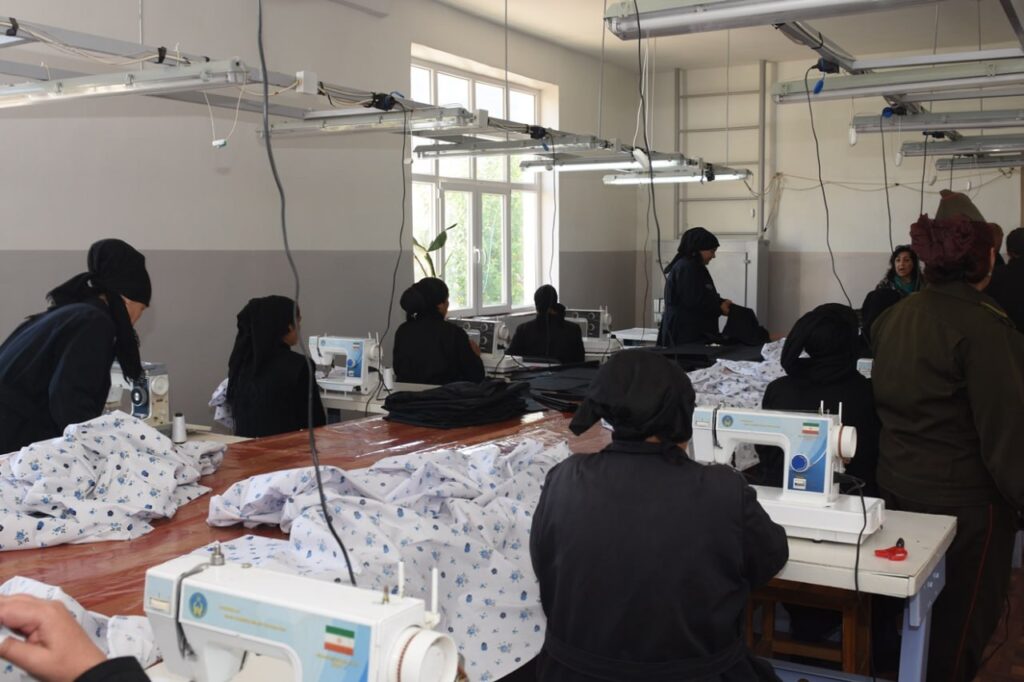
Regarding the conditions for people sentenced to life imprisonment, officials stated: “All necessary conditions have been created for them.”
“They are provided with medical and social assistance, as well as sufficient nutrition. All rooms are equipped with toilets, and there is an air purification system to create proper conditions. They can also communicate with their relatives without any restrictions,” the representatives of Tajikistan stated.
Nevertheless, one of the Committee members noted that concerns about the conditions of those sentenced to life imprisonment remain.
The Tajik delegation did not respond to the Committee’s question about the number of life-sentenced prisoners.
The President’s Assistant for Legal Issues, Zarif Alizoda, noted that life imprisonment is applied as an alternative to the death penalty.
“Since 2004, the death penalty in our country has not been applied, and instead, life imprisonment is provided for five categories of crimes,” he said.
The Tajik official also dismissed as unfounded the Committee members’ claims that people sentenced to life imprisonment were convicted only for crimes against the state. According to him, such a punishment is provided in Tajikistan for five serious crimes, including murder (in particularly serious cases), rape (in particularly serious cases), terrorism (when a large number of people die), and two international crimes — “biocide” and genocide.
According to him, life imprisonment is not imposed for other crimes.
Questions without answers
Other issues were also discussed. The Committee mentioned “sensitive cases,” requesting clarification of this concept and inquiring whether it includes cases involving journalists.
The Committee also expressed concern that surveillance cameras in detention centers, prisons, and police stations are often turned off. However, these questions also remained unanswered.
The UN Committee against Torture consists of 10 independent experts and monitors the implementation of the Convention against Torture and Other Cruel, Inhuman or Degrading Treatment or Punishment.
It ensures state accountability for human rights violations and regularly reviews reports of torture to prevent such crimes.
This is the 84th session of the Committee, which began on April 13 and will continue until May 1, 2026.
According to the Convention, the states parties are required to submit reports on the human rights situation every four years.