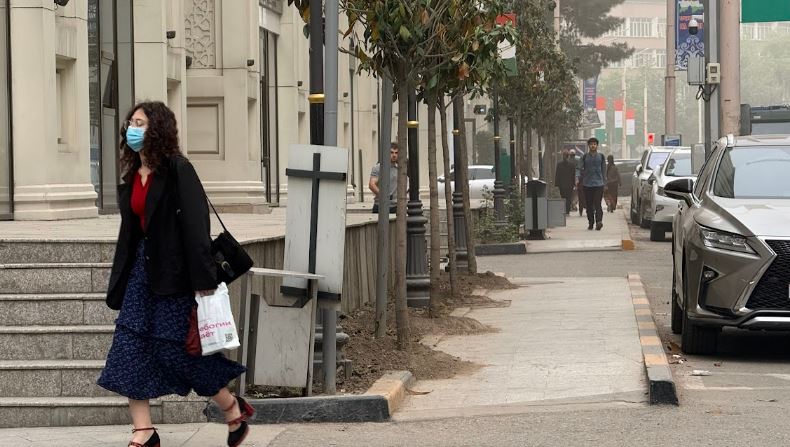
In neighboring Uzbekistan, the deterioration of air quality is already prompting specific actions – from transitioning to remote work to restrictions in the city. Tajikistan also needs such measures. And not only them – other response systems are required as well. We will discuss what they are.
Uzbekistan: Air as a Reason for Decisions
On days when the air becomes dangerous, Uzbekistan will not just issue warnings – it will change the very mode of life in the city. Pollution has officially become a basis for concrete decisions. These are enshrined at the state level and integrated into the five-year “Clean Air” program for 2026-2030. The document provides not only for responses on smog days but also for systemic changes.
For example, during periods of severe pollution, it is planned to reduce transportation loads and transition some employees and students to remote formats. This means fewer cars on the roads, less activity in offices, and consequently, less additional pollution.
Schools and kindergartens will stop holding outdoor classes, and residents will be advised to reduce their time spent outdoors.
Particular attention is paid to vulnerable groups – children, the elderly, and people with chronic illnesses. Separate medical recommendations are being developed for them, including the need to stay at home during peak pollution periods.
The country will also launch an emergency alert system. Information about air quality will be sent via SMS, media, and digital platforms so that people can understand the level of risk in advance and adjust their plans accordingly.
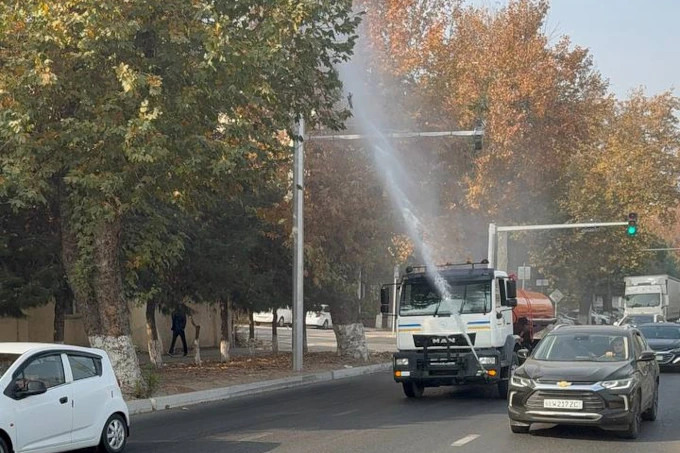
Measures will also be introduced to reduce the burden on the atmosphere itself. On such days, industry and energy sectors will be able to switch to a gentler mode, construction work will be limited, and city services will intensify efforts to combat dust, for example, by watering the streets.
At the same time, the “Clean Air” program addresses not only measures for smog days. It includes the development of public transport, the creation of cycling infrastructure, the expansion of green spaces, and the increase of the share of clean energy.
This approach helps not only to respond to the deterioration of air quality right now but also to gradually reduce pollution overall.
Tajikistan: The Problem Exists, but the System Does Not
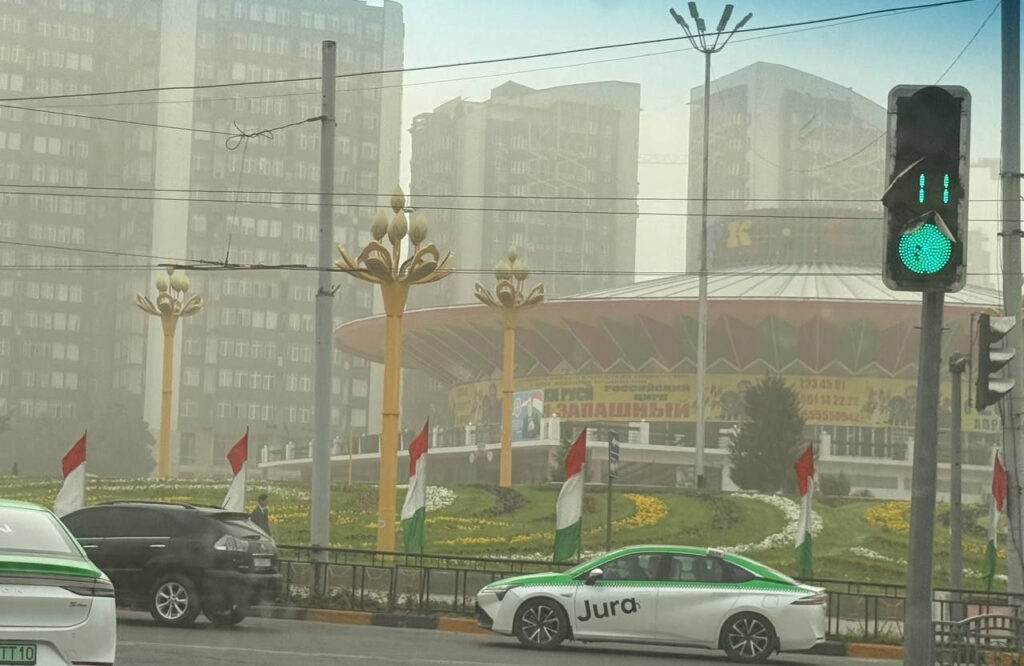
In Tajikistan, the problem of air quality has also long surpassed episodic occurrences. According to international studies, pollution levels consistently exceed recommended norms. The annual average concentration of PM2.5 reaches 49 µg/m³ – nearly ten times higher than WHO recommendations.
In Dushanbe, this figure is about 46 µg/m³, and during certain periods, the city finds itself among the most polluted capitals in the world.
This affects not only the ecology but also the health of people and the economy. It is estimated that air pollution causes approximately 4,800 deaths annually, and related healthcare costs reach about 4% of GDP.
The main sources of pollution are dust (33%), heating of residential houses, energy production, and transportation. Meanwhile, the situation is gradually worsening: the concentration of harmful particles is increasing, while the monitoring system remains limited. There are not enough operational stations to obtain a full and accurate picture.
Some steps are being taken in the country. With the support of international organizations, including the World Bank, a system for managing air quality is being developed: monitoring is improving, sources of pollution are being studied, and recommendations are being formulated.
Natural measures are also being implemented, such as planting saxaul trees, which help to control dust storms, one of the key factors of air pollution in the region.
There is also a state environmental program for 2023-2028, which sets the general direction in this area.
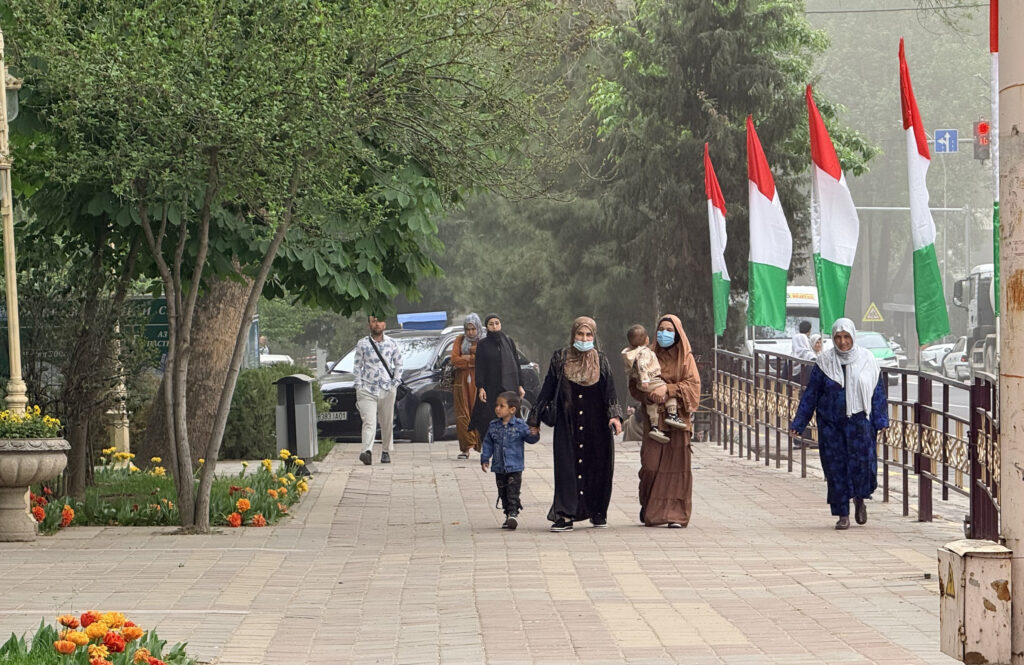
However, all these measures are designed for the long term.
Therefore, the key question today is not only how to reduce emissions in the future but also how to respond right now, on days when the air becomes hazardous to health.
Why Recommendations Alone Are No Longer Enough
As noted by independent environmental activist Timur Idrisov, there is currently no fully operational system of immediate actions in the country.
“As far as I know, Tajikistan does not have such a protocol. Some measures are предусмотрены under the Law on the Protection of Atmospheric Air, but they mainly relate to accidents or emergency situations at industrial facilities,” he said.
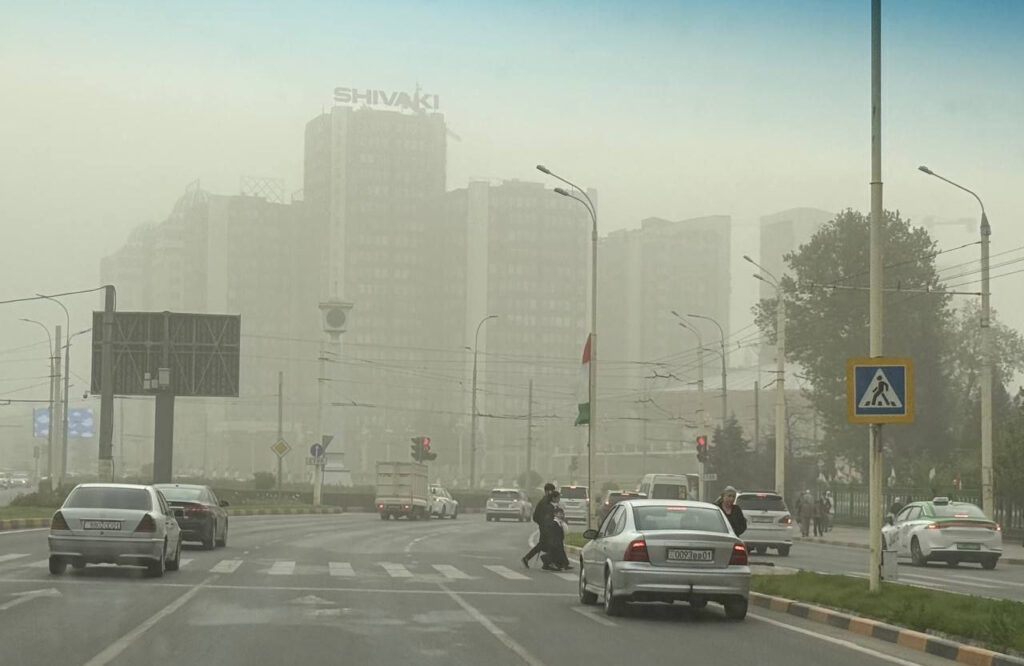
According to him, in recent years, certain government agencies, such as the Emergency Situations Committee and the Hydrometeorology Agency, have begun to issue warnings with recommendations – drink more water, limit physical activity outdoors, keep windows closed. However, this is clearly not enough.
Previously, Idrisov had already proposed a number of measures to improve air quality. The impetus for this was, among other things, data from international studies. According to the “World Air Quality Report for 2025”, Tajikistan ranked third in the world in terms of pollution levels, surpassed only by Pakistan and Bangladesh.
Among his recommendations are the development of a monitoring system and data transparency, revising pollution standards in accordance with WHO recommendations, developing public transport, tightening requirements for enterprises, and improving the energy efficiency of buildings. He also emphasizes that special attention should be paid to preserving and expanding green spaces.
“Given that the air quality situation in the country’s cities is gradually deteriorating, such a response system—similar to those in neighboring countries—is certainly needed. It would help protect the most vulnerable groups of the population, reduce pressure on the healthcare system, and even prevent potential emergency situations.
But, of course, this does not address the root causes of air pollution – a comprehensive approach is required: from greening and sustainable agriculture to improving the energy efficiency of buildings,” the expert stresses.
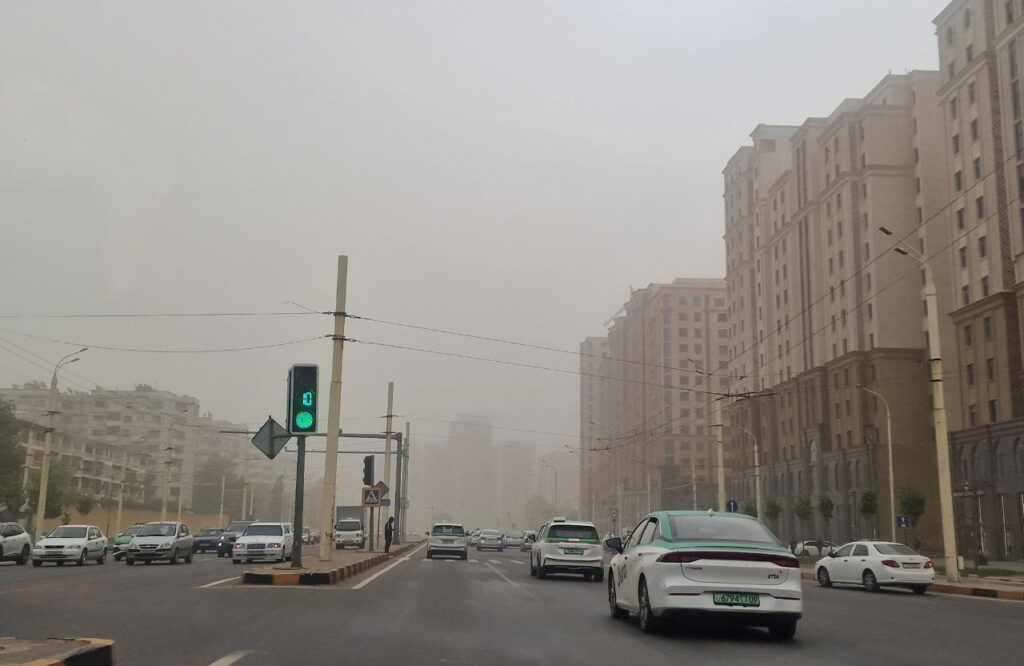
At the same time, similar operational response mechanisms have long been implemented in major cities around the world facing similar problems.
“In several cities in India, when the Air Quality Index (AQI) exceeds 400, temporary construction bans are introduced, schools are shifted online, and outdoor work is restricted. In China, when air quality deteriorates, schools are also closed, industrial activity is limited, and vehicle traffic is restricted,” Idrisov notes.
As international experience shows: even if it is not possible to completely solve the pollution problem quickly, it is possible to learn to manage its consequences – to reduce health risks and make such periods less dangerous for people.
Dust storms and air pollution in Tajikistan are unfortunately no longer a temporary phenomenon, but our reality. The question is whether a response system will be established or whether the country will continue to simply endure such periods, which are becoming increasingly prolonged and frequent…