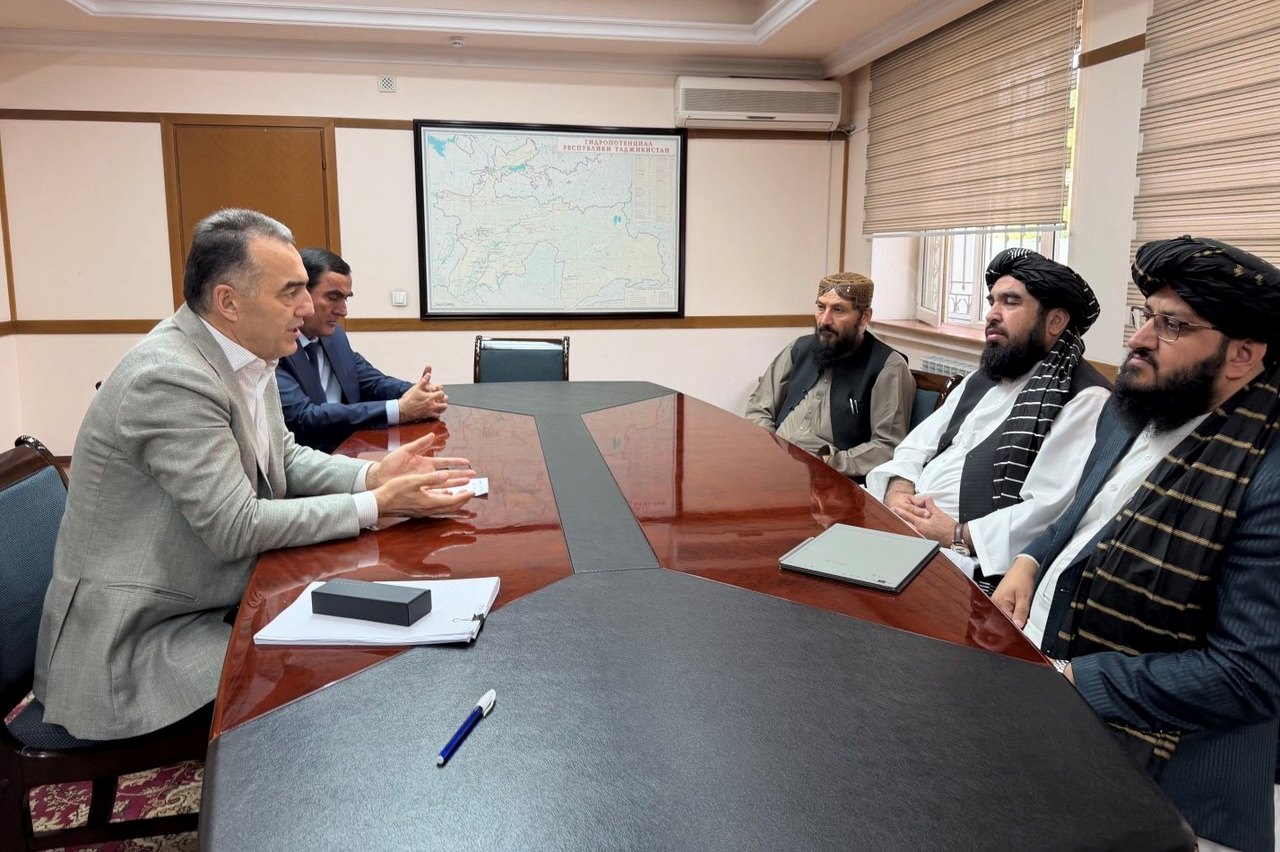
The commercial operation of the regional energy project CASA-1000 is exected to begin in the summer of 2027. This was announced following working meetings held in Dushanbe from April 18-20, with the participation of Tajikistan’s Minister of Energy and Water Resources Daler Juma, representatives of the Afghan energy company Da Afghanistan Breshna Sherkat (DABS), as well as the World Bank and the contracting organization Kamani Engineering Corporation (KEC).
According to the press service of the Ministry of Energy and Water Resources of Tajikistan, the parties discussed the progress of the project, technical and financial issues, as well as the coordination of further work. The contractor reportedly said construction on the Afghan section is expected to be completed in the spring of 2027, after which the project will move to the commercial phase.
Tajikistan’s Minister of Energy Daler Juma noted that CASA-1000 has strategic significance for strengthening cooperation between the countries of Central and South Asia, increasing the level of trust, and developing the export of environmentally clean electricity.
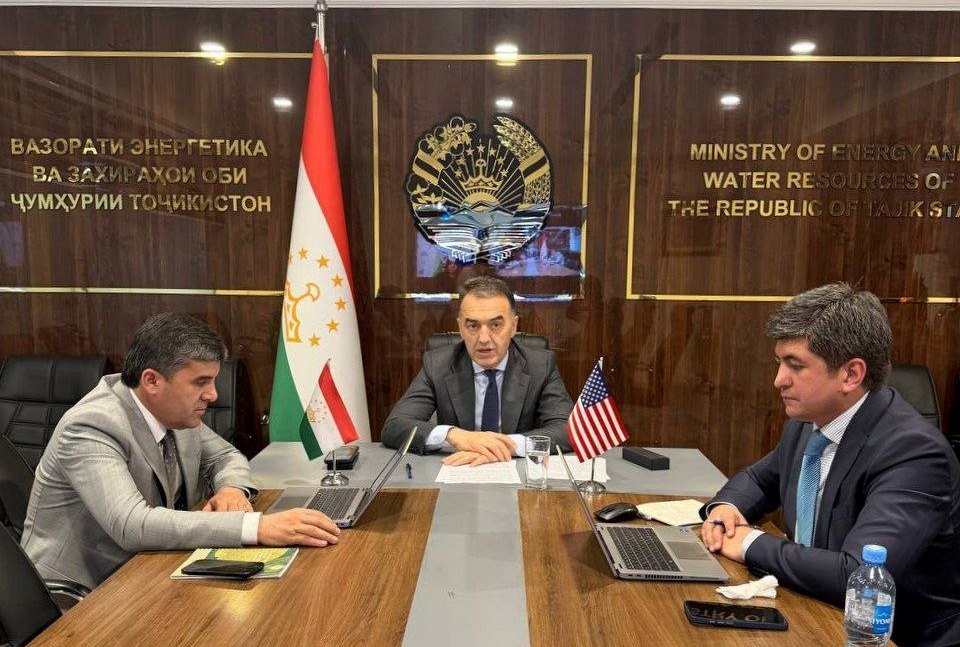
A corresponding protocol was signed following the meetings.
The project involves the creation of an energy corridor for the transmission of electricity from Kyrgyzstan and Tajikistan to Afghanistan and Pakistan through the construction of power lines over 1,300 km long and two converter substations. Its cost is estimated at approximately $1.2 billion, with funding provided by international financial institutions, including the World Bank, the Islamic Development Bank, the European Investment Bank, and the European Bank for Reconstruction and Development.
The implementation of the project in Afghanistan was suspended in 2021, but in 2024, funding was resumed following international negotiations.
Upon completion, CASA-1000 will allow for the annual export of up to 1.3 GW of electricity from Central Asian countries to South Asia.