
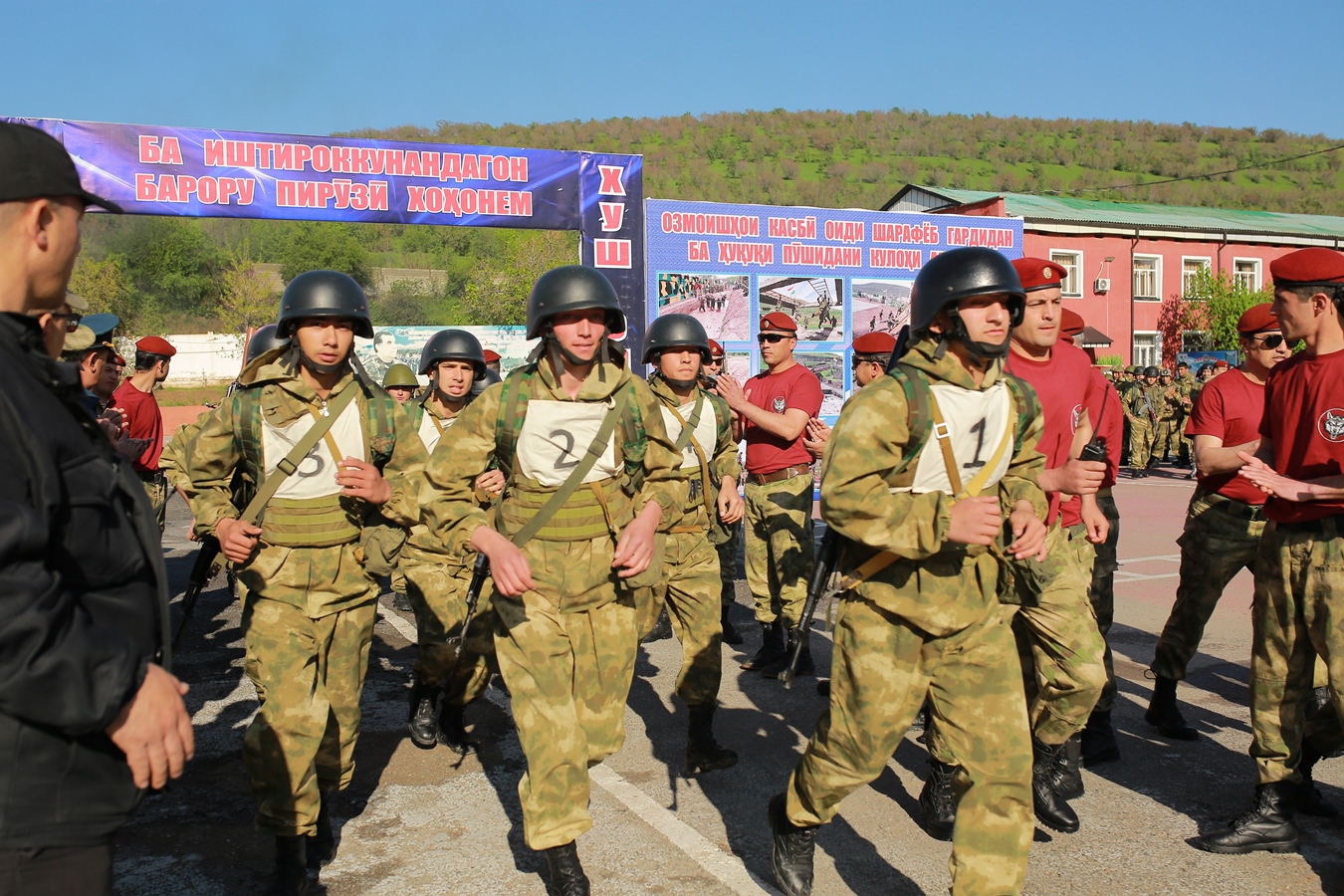
In Tajikistan on April 9-10, an event occurred that can be called historic for the entire internal troops system without exaggeration. For the first time in the country, qualifying tests were held for the right to wear the maroon beret — a symbol of the highest level of training, courage, and professionalism of special forces fighters.
A journalist from “Asia-Plus” managed to attend these tests and see everything with their own eyes — from the first meters of the march to the final hand-to-hand combat, where the fate of each participant was decided.
A Test That Does Not Forgive Weakness
The conduct of such tests was under the personal supervision of the Commander of the Internal Troops of the Ministry of Internal Affairs of the Republic of Tajikistan, Major General Suhrob Raufzoda. A program was developed, the whole system was organized, and control was ensured at every stage.
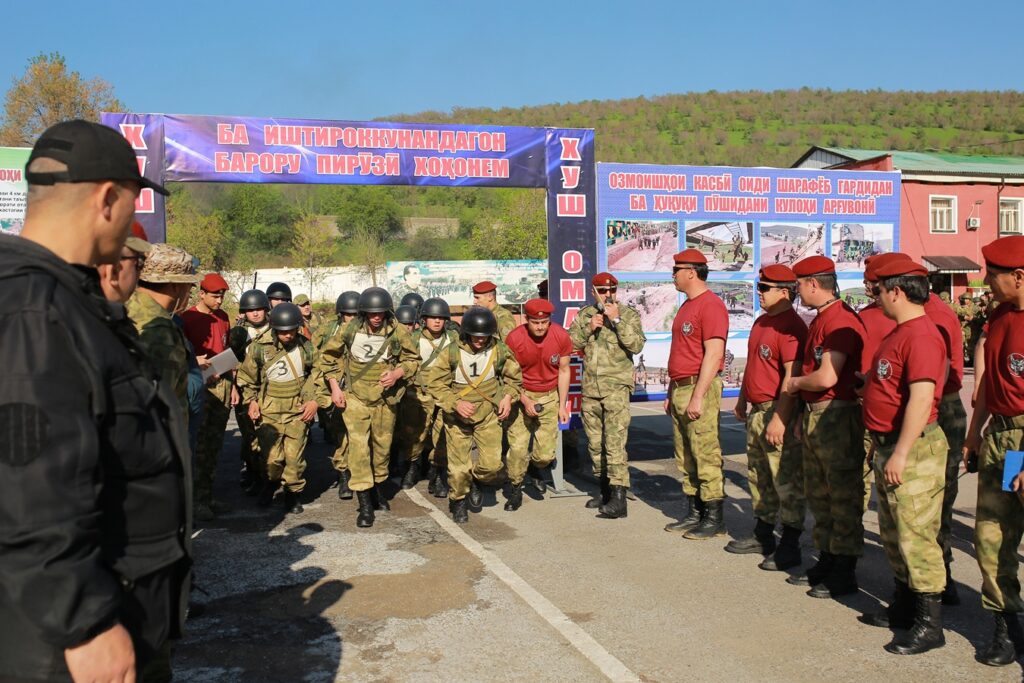
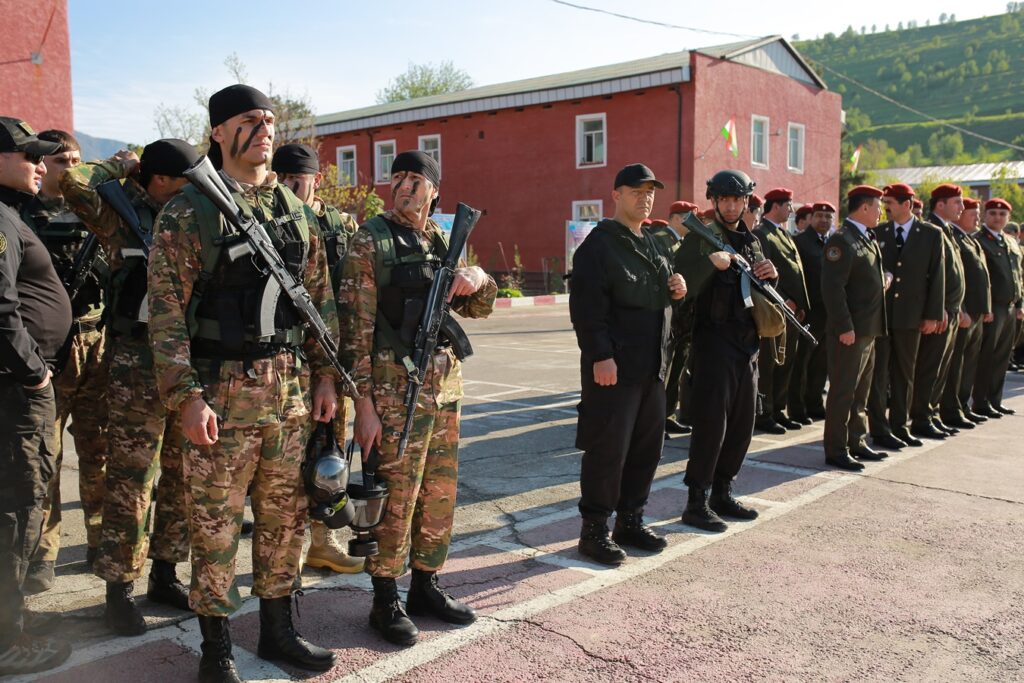
It is important to note: this was not a formal event. It was a real exam in endurance, character, and professionalism. Out of more than 270 candidates, only 150 were able to pass the preliminary selection, which went on throughout the past week, and gain access to the main test (April 9). This stage already showed how high the bar of requirements was.
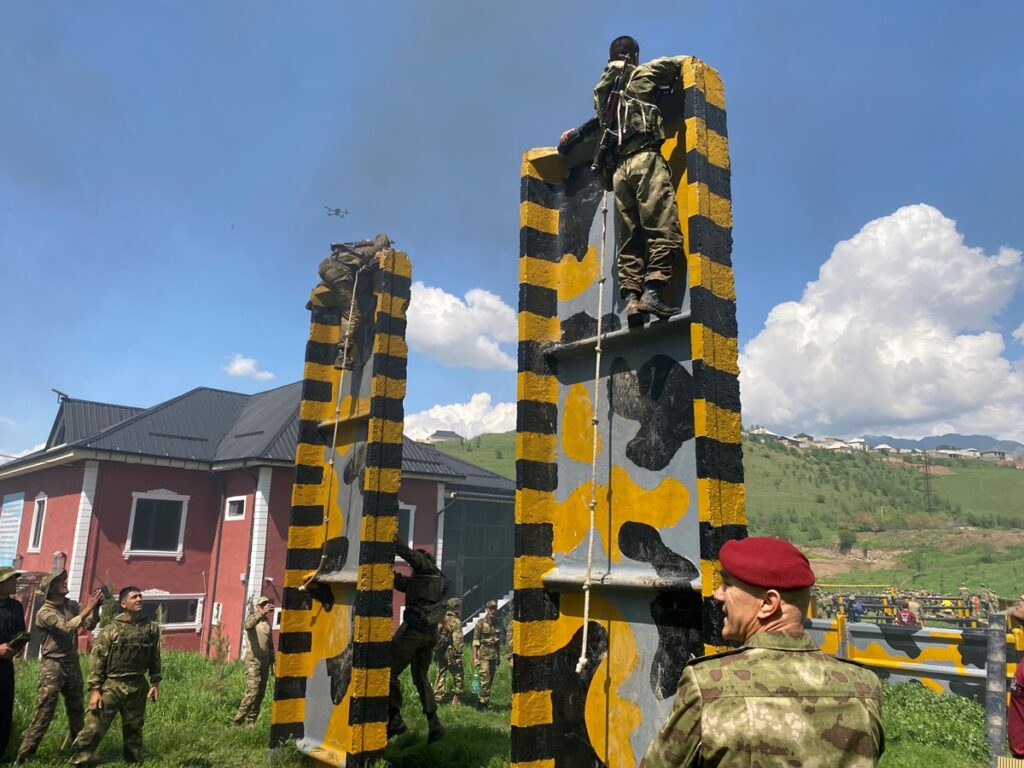
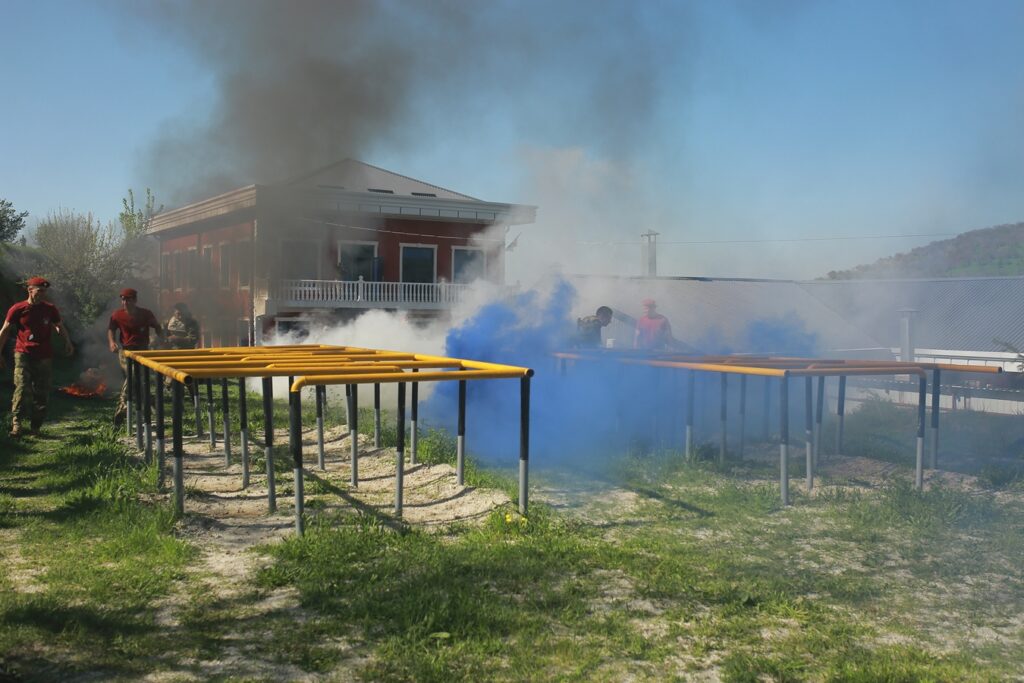
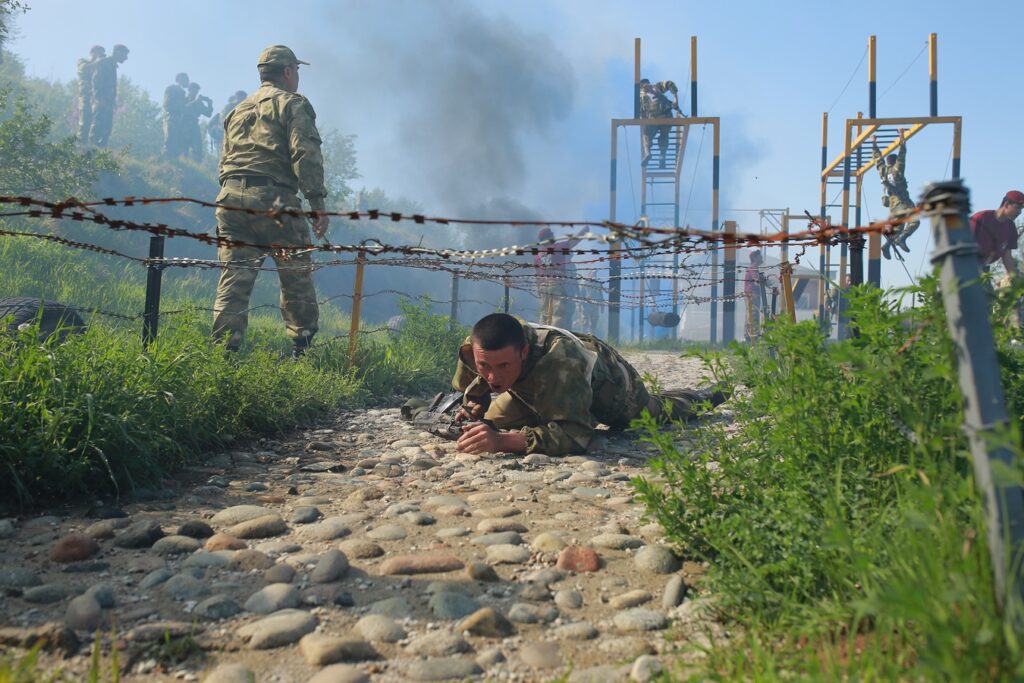
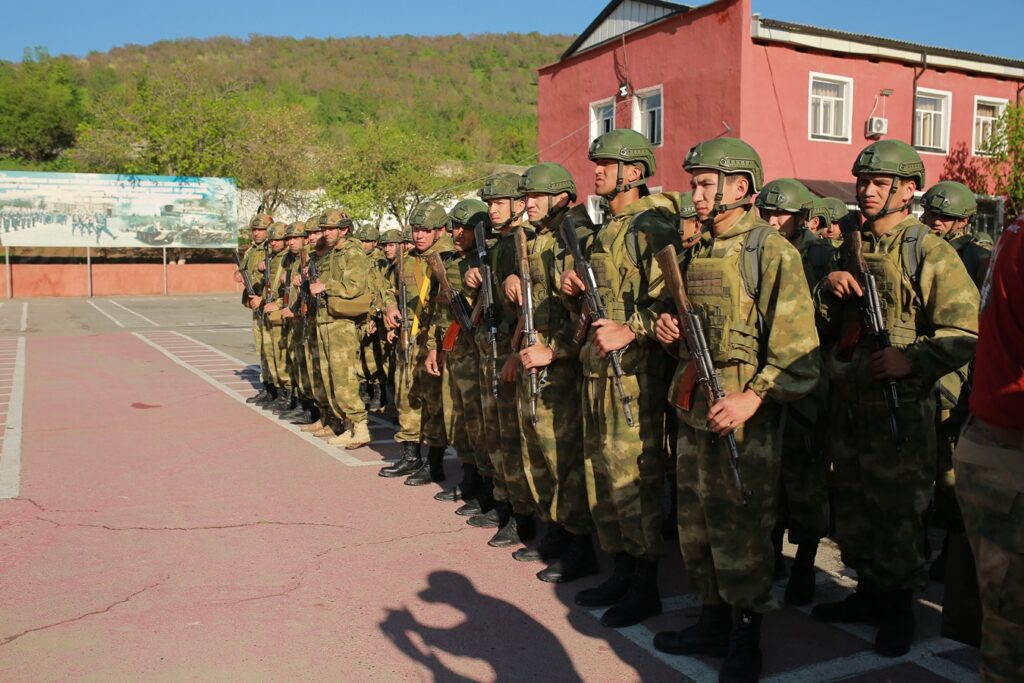
The tests were conducted in conditions as close as possible to real combat tasks. Each stage was designed to reveal not only the physical strength but also the psychological resilience of the fighter.
Participants had to:
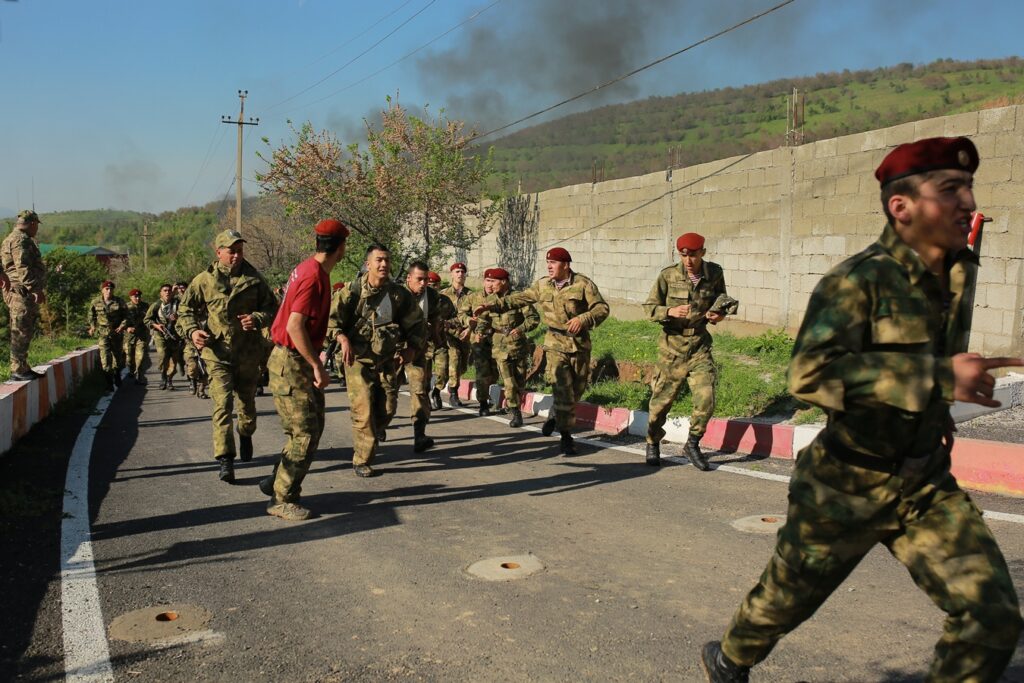
– complete a 10-kilometer march in challenging mountainous terrain in full gear;
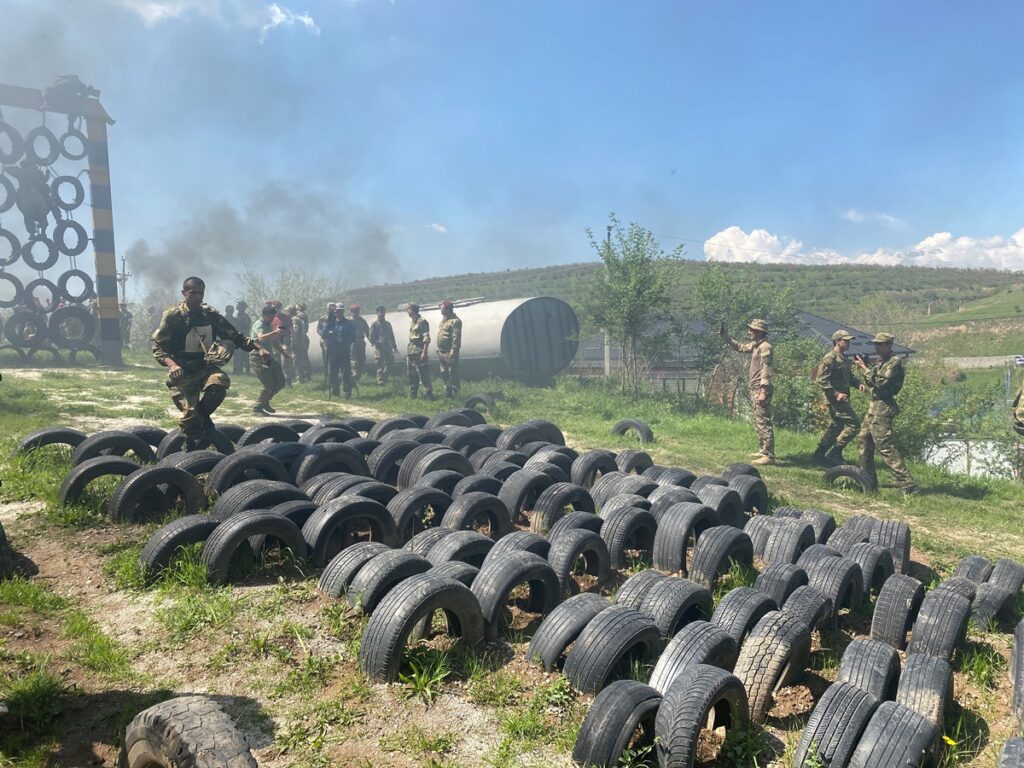
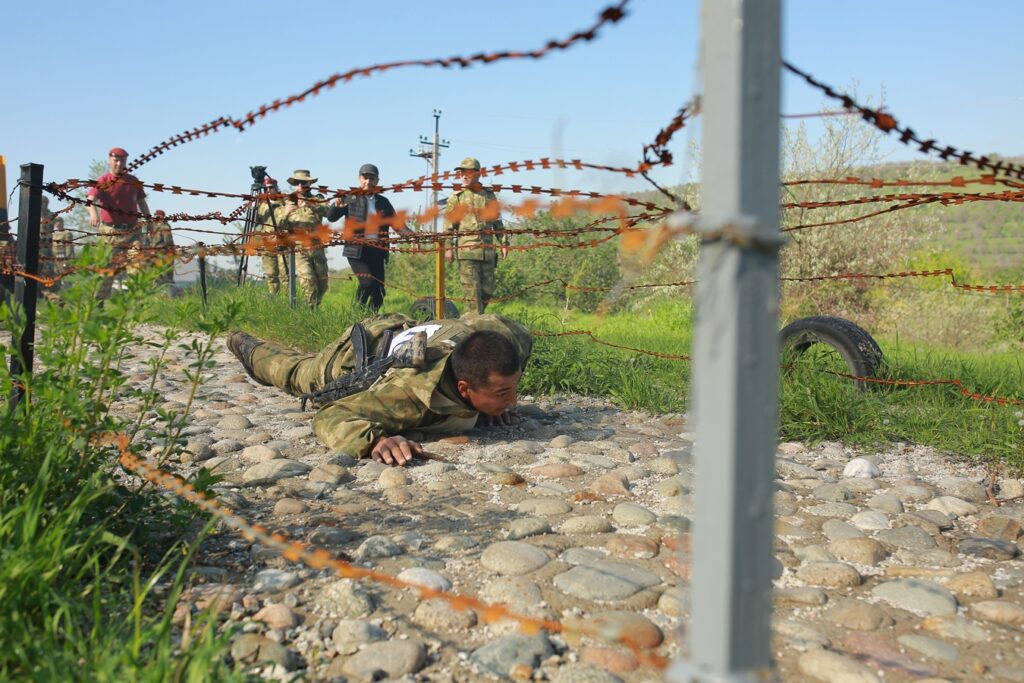
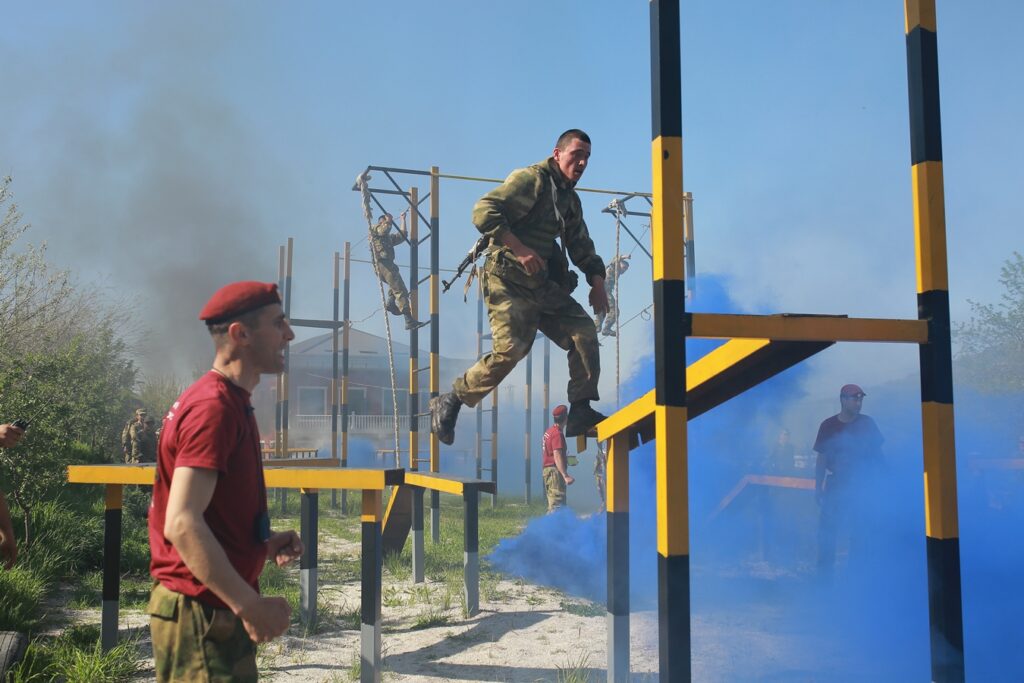
– pass an obstacle course requiring agility, speed, and tactical thinking;
– perform shooting from various types of weapons in a state of extreme physical exhaustion;
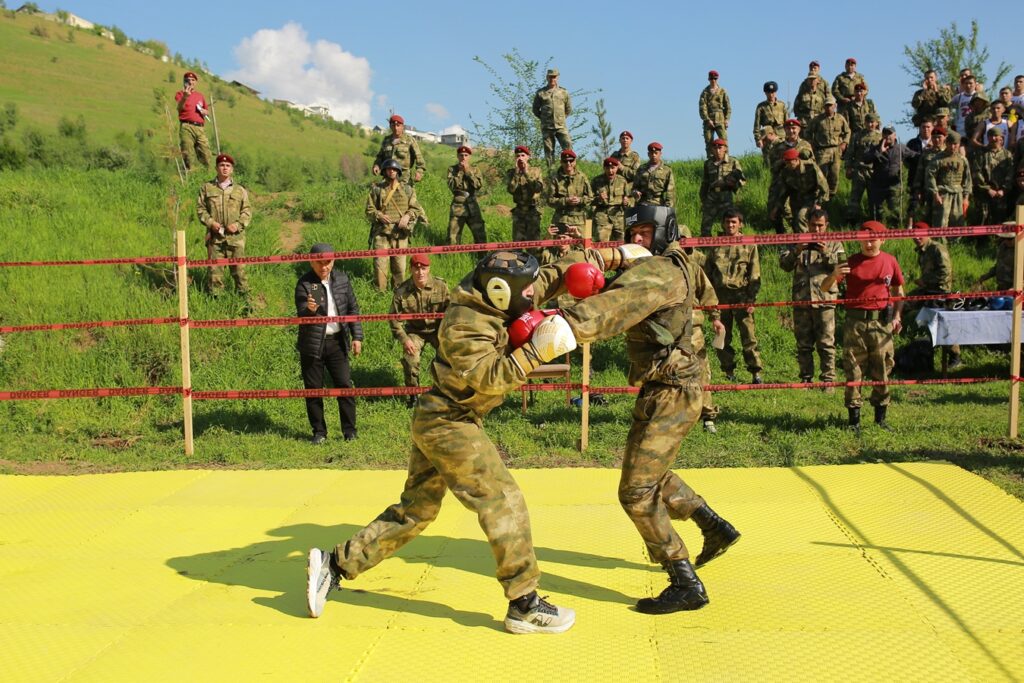
– withstand hand-to-hand combat, which became the final and most rigorous test.
The last stage was particularly impressive. After a multi-kilometer run, with extreme fatigue, the fighters entered sparring matches, where their fate was decided. Here, there was no room for error — only character, only will.
“Being in special forces is already serious. But being a holder of the maroon beret is another level, it’s true professionalism. It’s a sign that a person has gone through difficulties and proven their readiness. For the guys, it was their first experience, it was tough, but they managed. This means we have a foundation on which we will continue to build,” said Suhrob Raufzoda in an interview with “Asia-Plus”.
27 out of 150: The Price of the Maroon Beret
The final was extremely tough. Out of 150 participants, only 27 fighters were able to pass all stages and earn the right to wear the maroon beret and badge. These names are now forever inscribed in the history of Tajikistan’s special units.
The maroon beret is not just a part of the uniform. It is a symbol that is associated worldwide with the elite of special forces, with fighters who have endured extreme loads and proven their readiness for the most challenging tasks.
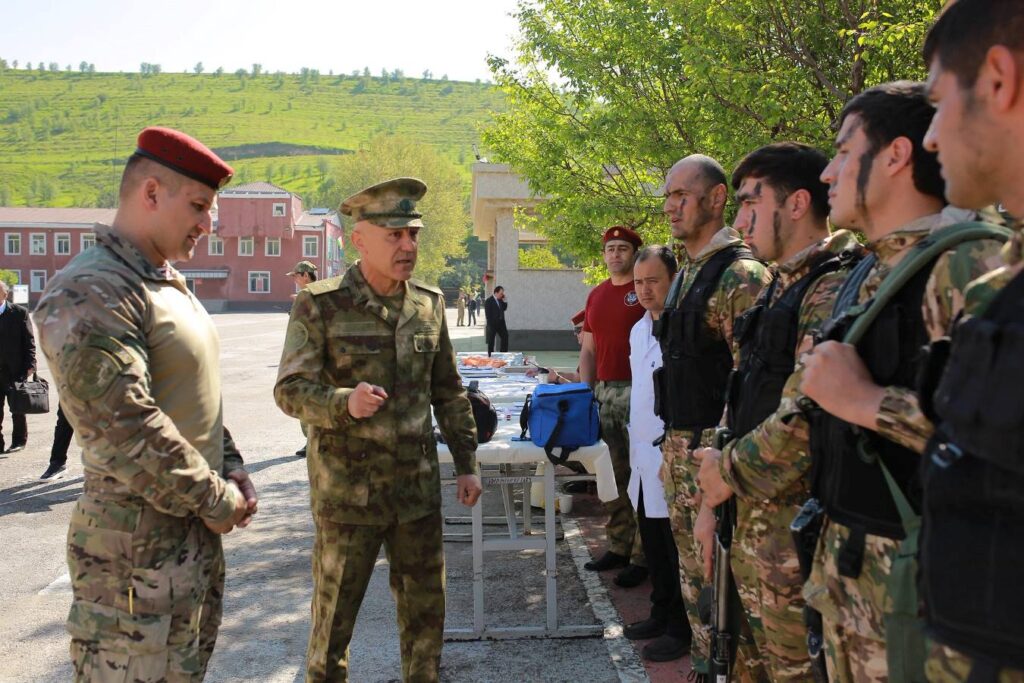
“The tests were as close to real conditions as possible. Almost all types of training were involved here — physical, tactical, and psychological. We wanted each stage to be a real test. And those who passed have truly earned this beret,” noted Suhrob Raufzoda.
Observers from Belarus: “Everything is organized at a very high level”
To ensure transparency and compliance with international standards, specialists and observers from the Ministry of Internal Affairs of the Republic of Belarus were invited to the tests. Their assessment was unequivocal: a high level of organization, discipline, and physical training of the Tajik servicemen.
“We arrived in Tajikistan with a delegation to see how the maroon beret tests are conducted. This is the first such experience in the country, and it was important for us to study everything in advance: we went through the route, looked at the obstacle course, evaluated the stages. I can say frankly — everything is organized at a very high level, honestly and competently.
Especially noteworthy is that the terrain here is specific. Mountains, sun, relief — all this creates additional difficulties. The march will be a serious test for the fighters. The obstacle course is not easy either, elements require serious preparation. But it is these kinds of conditions that show the real level of a fighter,” said Deputy Commander of the Special Purpose Brigade of the Ministry of Internal Affairs of the Republic of Belarus, Lieutenant Colonel Yevgeny Narevonchik, to “Asia-Plus”.
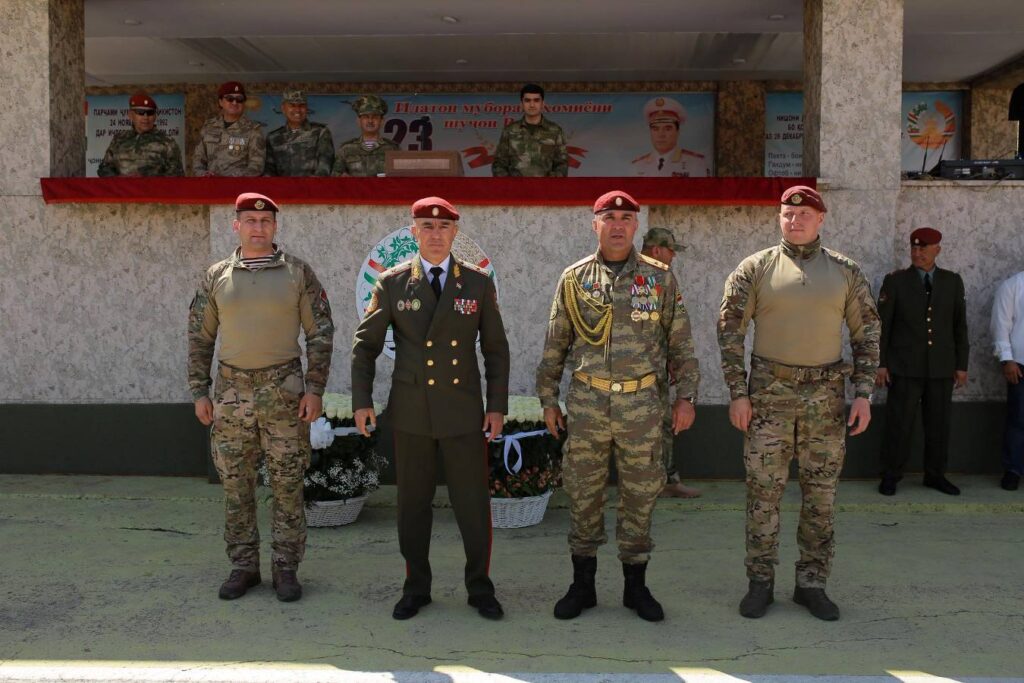
“It is a great honor for us to be invited to the Republic of Tajikistan as observers. We represent the maroon movement of Belarus and can confidently say: for the first time, the tests for the right to wear the maroon beret were conducted at a very high level here.
First of all, I would like to note the organization. The preparation of the training and material base, the clarity of the stages, the discipline of the fighters — everything meets high standards. It is especially significant that the commander of the internal troops personally accompanies the process, is with the fighters, supports them at every stage. This creates the right atmosphere and shows a serious attitude towards the matter.
All tests are conducted strictly according to the regulations, in full, and in conditions as close to combat as possible. This is the exact format that such exams should have. The impressions are exclusively positive,” said Timur Kilichev, Deputy Commander of Military Unit 3214 for Combat Training of the Ministry of Internal Affairs of the Republic of Belarus, to “Asia-Plus”.
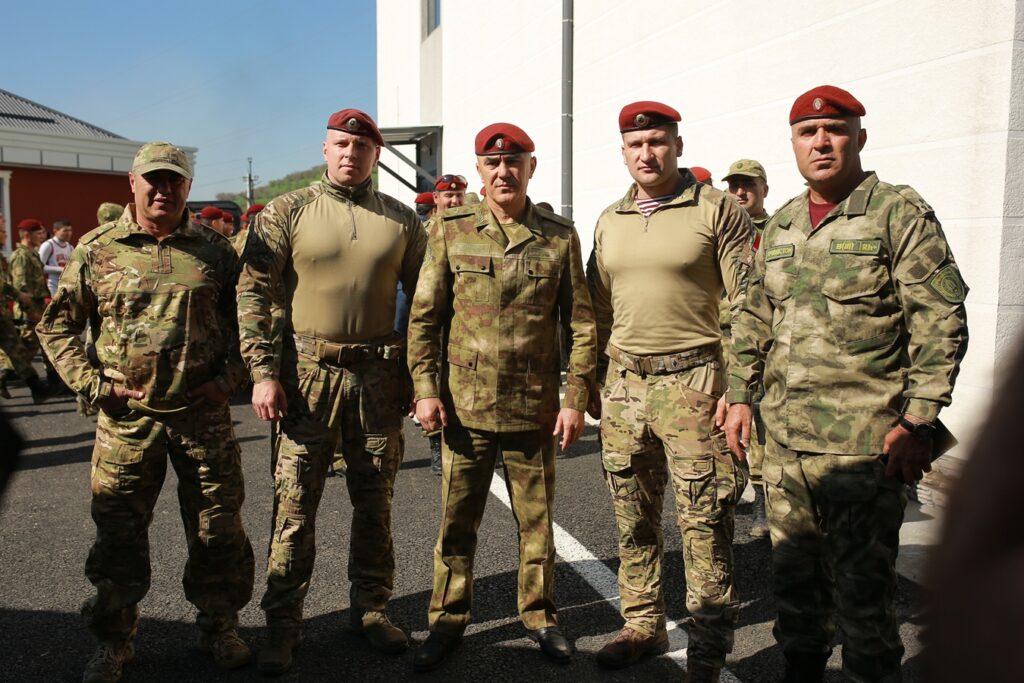
In fact, Tajikistan conducted tests for the first time that correspond to the best practices of countries where the maroon beret has a long history.
“The most difficult stage in such tests is undoubtedly the march. I have taken it myself and know how hard it is. If you lack endurance, the main difficulties begin precisely on the march. In the mountains, in such weather, over distances — it is a real test of character. Shooting is anxiety, hand-to-hand combat is emotions, everything happens quickly. But the march is patience. Whoever endures the march will show themselves.
Separately, I want to note the work of the commander of the internal troops. You can see that he is fully involved, is with the fighters, controls every stage, supports. This is very important. When the commander leads the way, the fighters gain confidence. And the very fact of coming out for such tests is a victory. The rest is a matter of time and preparation,” added Yevgeny Narevonchik.
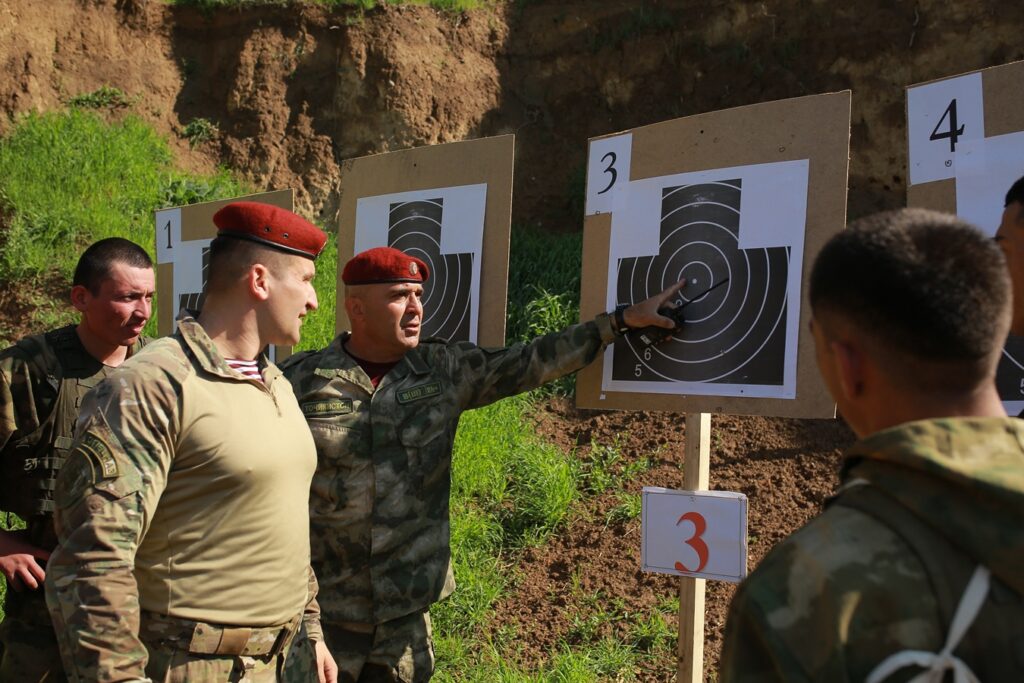
Indeed, the role of Suhrob Raufzoda deserves special attention. In essence, he became not only the initiator but also the main ideologist of this project. Under his leadership, a system was built: from the regulations on combat distinction signs to the formation of the commission, methodology of tests, and involvement of international experts.
Moreover, as noted by the participants and organizers, the general personally monitored the progress of the tests, was present at the training ground, and ensured all requirements were met. Thanks to this approach, trust in the result was achieved.
“These are just the first steps. We have made an important start, and we can already say that a new tradition has appeared in the country. The next stage will take place in the fall, and I am sure the level will be even higher. The guys already understand the requirements, will prepare, and the results will be even stronger,” said Suhrob Raufzoda.
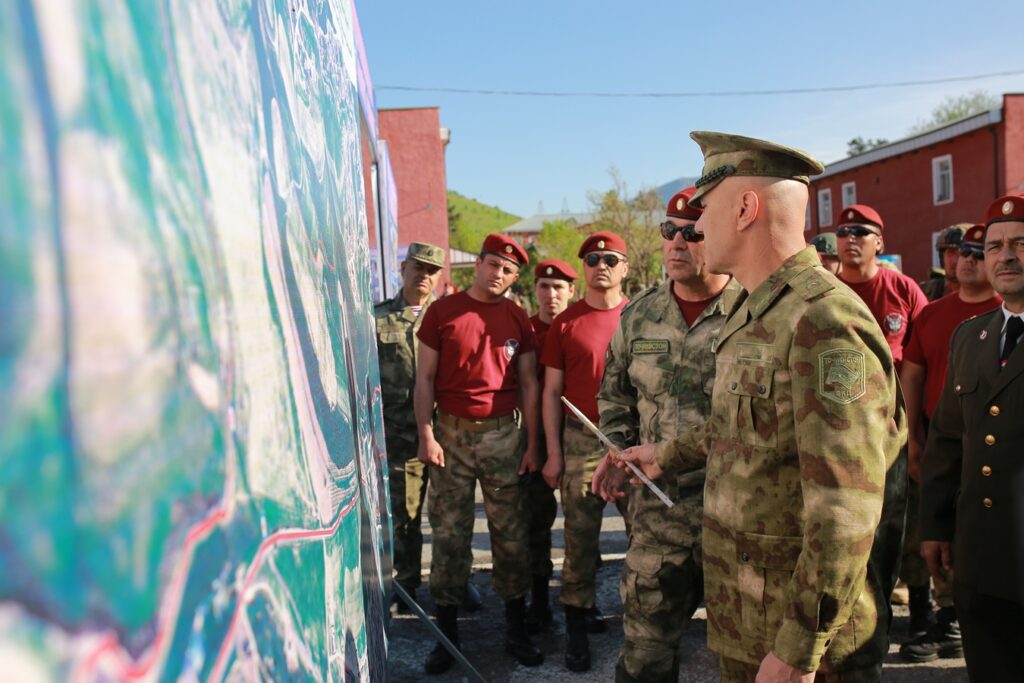
A New Tradition for the Country
Timur Kilichev also specifically noted the complexity of the marching stage.
“In Tajikistan, the specific mountainous terrain, plus weather conditions — rain, clay — all this seriously complicates the task. Nevertheless, the fighters show a worthy level and cope with the loads. The hand-to-hand combat is also at a high level. It is evident that many have a basic preparation — freestyle wrestling, sambo, which allows them to act confidently even after serious physical tests.
In general, I can say: the internal troops of Tajikistan are not standing still. During our stay, we saw how the training system is developing, modern approaches are being implemented, international experience is being taken into account. Including the active development of unmanned aviation direction, the improvement of the combat training program.
I wish the Tajik special forces further development. The maroon movement in Tajikistan will definitely grow. Special forces are a force, and it is evident that this force is being formed correctly,” noted Timur Kilichev.
The maroon beret test was timed to the 33rd anniversary of the formation of the Internal Troops of the Ministry of Internal Affairs of the Republic of Tajikistan, as well as to the Day of Internal Troops of the Ministry of Internal Affairs of the Republic of Tajikistan, which is celebrated annually on April 10, giving the event special symbolism.
But the main thing is that this is just the beginning. It has already been announced that such tests will be conducted twice a year in the future — in spring and autumn, which essentially forms a new tradition and a new standard of preparation for special units. The maroon beret in Tajikistan is a badge of distinction, behind which are kilometers, pain, struggle, and victory over oneself.
After the Tests: A Celebration of Courage and Recognition
If April 9 became the final day of extreme loads and endurance tests, then the next day, April 10, events took on a ceremonial and symbolic character. After the exam at the testing ground, the country saw another side of these days — a side of recognition, respect, and pride for its defenders.
A military-cultural gathering was held at the State Academic Opera and Ballet Theater named after Sadriddin Aini in Dushanbe. This became a continuation of those events that unfolded just a day before at the test site.
The solemn event was attended by the Minister of Internal Affairs of the Republic of Tajikistan Colonel-General Ramazon Khamro Rahimzoda, Deputy Chairman of Dushanbe Dilbar Rahim Odilzoda, the leadership of the Ministry of Internal Affairs, the command of the Internal Troops, as well as domestic and foreign guests.
Opening the event, the Minister of Internal Affairs Ramazon Rahimzoda delivered a comprehensive report, in which he paid special attention to the historical path of the Internal Troops — from their formation in difficult years to the present day. In his speech, he emphasized that these units remain a reliable support of the state for decades.
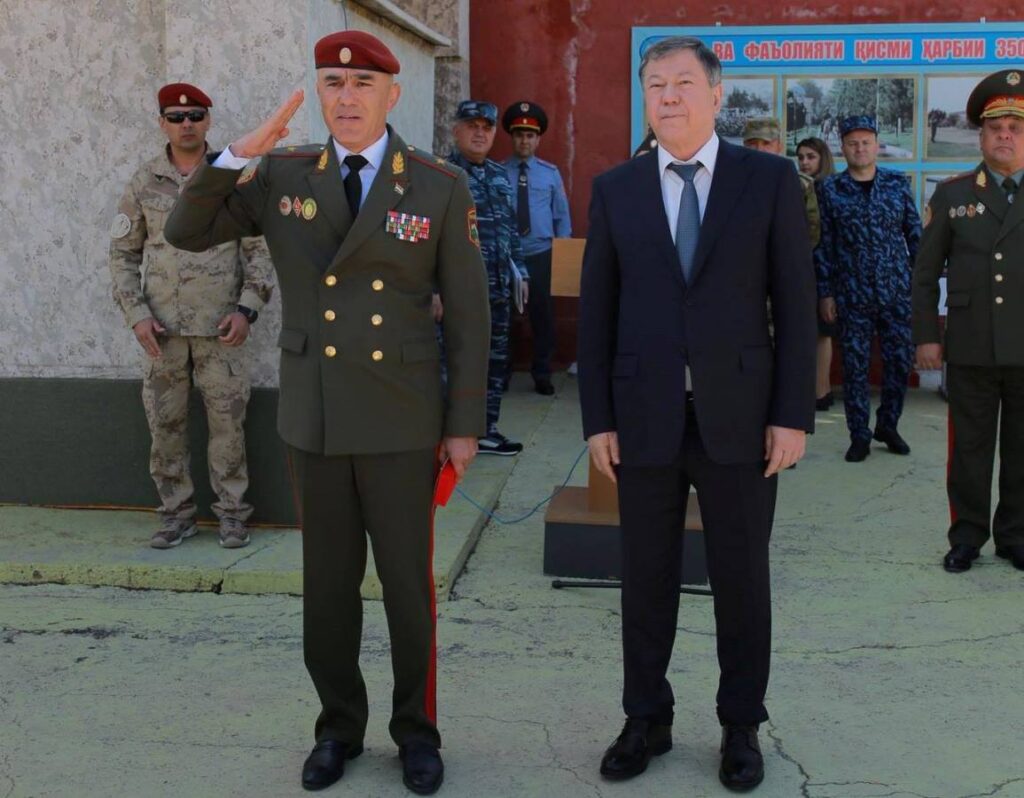
“From the first days of formation to the present day, the Internal Troops have been a reliable shield of the constitutional order and a firm support of the state and nation,” noted the minister.
Special words were addressed to those who had passed one of the most challenging tests in their service. The officers and soldiers awarded the maroon beret became a symbol of a new stage in the development of the country’s special units.
The minister congratulated the entire personnel, veterans, and current servicemen, emphasizing the importance of their role in ensuring stability, security, and order in the country, and expressed confidence in the further strengthening of the combat potential of the Internal Troops.
