
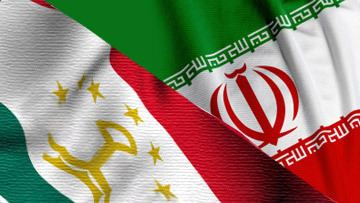
DUSHANBE, April 9, 2012, Asia-Plus — Iran is ready to help Tajikistan overcome energy crisis if the Tajik authorities create an appropriate infrastructure, an official source at the Iranian Embassy in Dushanbe told Asia-Plus Monday afternoon.
“Iran and Tajikistan are friendly and fraternal countries sharing common language, culture, religion and traditions,” said the source. “We are always ready to come to the aid of Tajikistan when it comes to the crunch.”
At the same time, he noted that an appropriate infrastructure is needed for providing one or another aid o Tajikistan.
“Thus, it is now impossible to deliver Iranian natural gas or oil to Tajikistan for lack of appropriate pipelines,” the source said, noting that Tajik specialists should create the necessary infrastructure and “conduct negotiations with Iranian colleagues.”
We will recall that a tripartite meeting of the presidents of Tajikistan, Afghanistan and Iran took place in Dushanbe on March 25 on the sidelines of the International Navrouz Day.
According to the Tajik president’s official website, economic cooperation between the three countries was a major topic of the meeting. The sides discussed the construction of a natural-gas pipeline between our countries and the Iranian side even agreed to finance part of this project on the territory of Tajikistan. The meeting reportedly resulted in signing of a memorandum of understanding (MoU) between the tree nations on the construction of railway, power (oil, gas and electricity) and water supply lines. The issues of implementation of these and other arrangements between Tajikistan, Afghanistan and Iran will be considered in the nearest future at the first meeting of the Joint Trilateral Commission.
Meanwhile, the BBC’s Tajik Service reports the Iranian President Mahmoud Ahmadinejad has ordered the relevant bodies of Iran to provide an urgent aid to Tajikistan to help tackle the aftermath of a hard winter. Ahmadinejad reportedly ordered the relevant bodies of Iran to send fuels and lubricants to Tajikistan following request from the Tajik authorities.
We will recall that in a report released at a news conference in Dushanbe, U.S. Assistant Secretary of State for South and Central Asian Affairs Robert O. Blake, Jr. who was in Dushanbe to attend the Fifth Regional Economic Cooperation Conference on Afghanistan (RECCA V), noted on March 27 that the U.S. calls on countries in the region to support sanctions against Iran in Washington and refuse to trade and other relations with this country, in order to put pressure on Tehran to show solidarity with the international community over concerns about Iran’s nuclear program.
On Navrouz, Tajik President Emomali Rahmon spoke to Euronews on the situation in Tajikistan 20 years after independence, relations with Russia and Iran and democratization in the country.
Asked whether international sanctions imposed on Iran had an impact on relations between Tajikistan and Iran, President Rahmon said, “As far as we know, the Islamic Republic of Iran does not intend to buy or make nuclear weapons. Iran has progressed, the country has developed. All the problems regarding the nuclear issue must be solved solely through dialogue and diplomatic means.”
“These sanctions have, of course, had an effect on us. I think not only Tajikistan, but many of developed countries such as European countries and Japan have been affected as well. The prices of oil and gas have increased. This benefits the oil-producing countries and not those consuming oil. Many of the developed countries which used to buy Iran’s oil have been affected by these sanctions, negatively. The increase in world oil and gas prices has, of course, damaged our economy.”
