
Iraqi PM declares end of IS self-declared ‘caliphate’ after forces take Mosul landmark mosque ruins

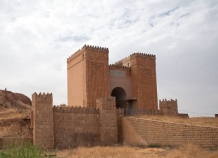
After eight months of grinding urban warfare, Iraqi government troops on Thursday captured the ruined Grand Al-Nuri Mosque in Mosul and Iraqi Prime Minister Haider al-Abadi has declared an end to Islamic State’s (IS) self-declared “caliphate.”  “The return of al-Nuri Mosque and al-Hadba minaret to the fold of the nation marks the end of the […]

Asia-Plus

After eight months of grinding urban warfare, Iraqi government troops on Thursday captured the ruined Grand Al-Nuri Mosque in Mosul and Iraqi Prime Minister Haider al-Abadi has declared an end to Islamic State’s (IS) self-declared “caliphate.” 

“The return of al-Nuri Mosque and al-Hadba minaret to the fold of the nation marks the end of the Daesh state of falsehood,” Prime Minister Haider al-Abadi said in a statement, referring to the hardline Sunni Muslim group by an Arabic acronym, according to Reuters.

It was at the Grand Al-Nuri Mosque on June 29, 2014, that IS leader Abu Bakr al-Baghdadi made his only public appearance, declaring an Islamic "caliphate" over territories then held by his extremist militants in Iraq and Syria.

As for Baghdadi himself, a senior Russian diplomat on June 22 said he had likely been killed in a recent Russian air strike, although the claim has not been confirmed.

On June 29, Iran's state news agency IRNA quoted Ali Shirazi, a representative of Supreme Leader Ayatollah Ali Khamenei, as saying Baghdadi was “definitely dead.”

As Iraqi forces clear the city of IS extremists, the death and destruction that the area has suffered has become visible.

The cost of the fighting has been enormous. In addition to military casualties, thousands of civilians are estimated to have been killed.

Citing aid groups, Reuters reports that about 900,000 people, nearly half the pre-war population of the northern city, have fled, mostly taking refuge in camps or with relatives and friends, according to aid groups.

Those trapped in the city suffered hunger, deprivation and IS oppression as well as death or injury, and many buildings have been ruined.


Article translations:

Related Articles

Most Read

Join us on social media!

Recent Articles

Trump Put the War on Hold: A Respite Before a New Escalation?

Will the United States and Israel have enough resources to exhaust Iran in a war of attrition?

Meeting of CIS Border Agencies: Security Threats to the Southern Borders of the Commonwealth Discussed in Guliston

According to general opinion, the current unstable situation in Afghanistan will have a negative impact on border security in the region in the medium term.

“Engaged in Unworthy Acts”: Prosecutor of Sughd Criticized Some of His Subordinates

Two months ago, the prosecutor of the city of Buston was relieved of his duties following a conflict with the owner of the city's restaurant "Parliament".

The Tax Committee of Tajikistan introduced a range of new electronic services starting April 1

Services have been introduced to improve the quality of services and minimize the impact of the human factor.

Israel Delivers Largest Strike on Lebanon. Iran Responds to These Attacks by Announcing Withdrawal from Truce Agreement

A day after the agreements reached between the US and Iran, the Strait of Hormuz remains effectively closed.

Tajikistan’s Committee on Religion Warns Citizens About Fake Documents for Hajj

The agency warns citizens against trusting dubious travel companies and intermediaries.