
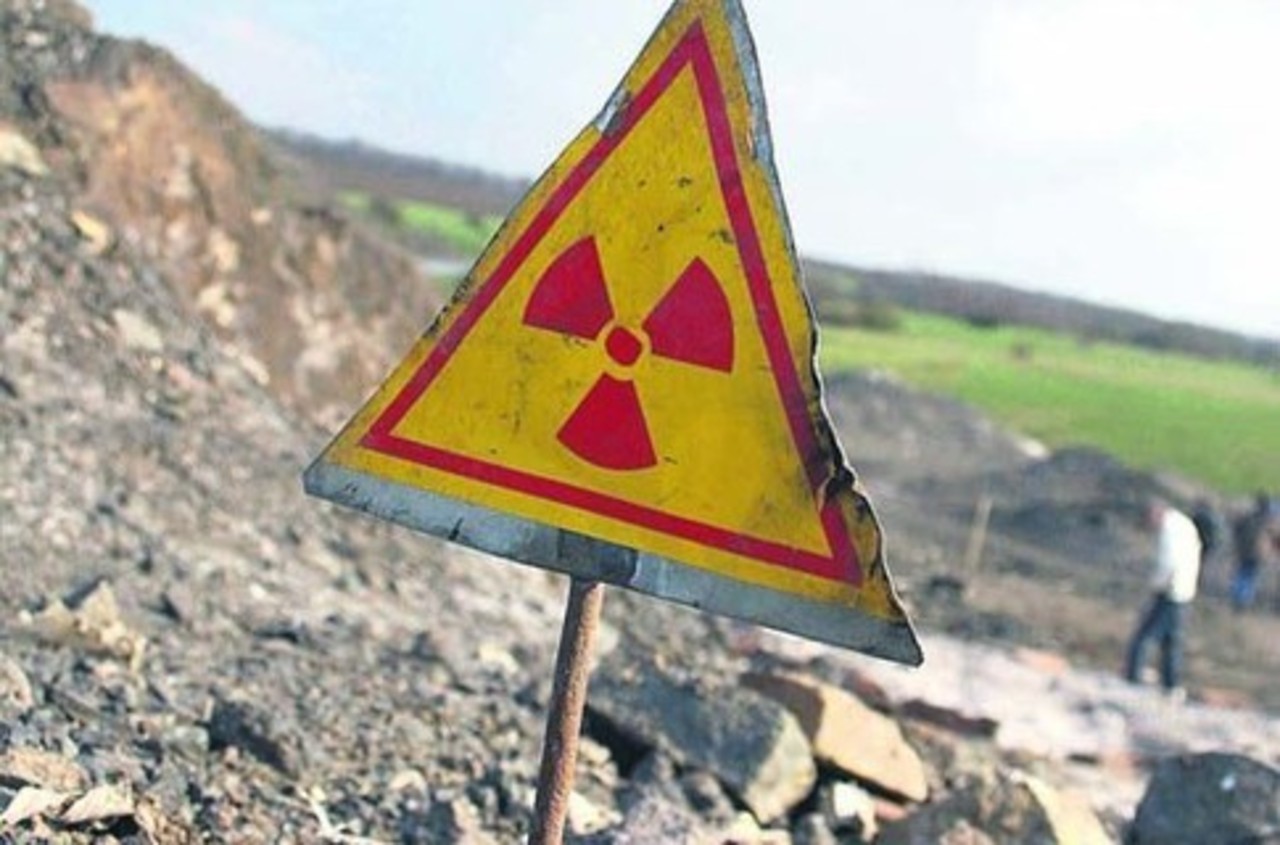
IAEA and partners agree on SMP for remediating uranium legacy sites in Central Asia

The International Atomic Energy Agency (IAEA) and partners including the European Commission (EC) and the European Bank of Reconstruction and Development (EBRD) signed a joint commitment this week on coordinating efforts to achieve the safe and sustainable environmental remediation of Uranium Legacy Sites (ULS) in Central Asia, in accordance with a new Strategic Master Plan […]

Asia-Plus

The International Atomic Energy Agency (IAEA) and partners including the European Commission (EC) and the European Bank of Reconstruction and Development (EBRD) signed a joint commitment this week on coordinating efforts to achieve the safe and sustainable environmental remediation of Uranium Legacy Sites (ULS) in Central Asia, in accordance with a new Strategic Master Plan (SMP).

Uranium mining and processing were prevalent in Central Asia from the mid-1940s to the 1990s, when planning for end-of-life management was not common. As a result, residues of radioactive and toxic contaminants pose ongoing threats to the health and the livelihood of people in the region, as do abandoned mines and processing infrastructure.

According to the IAEA website, the SMP provides a framework for carrying out remediation activities in Central Asia in a timely, cost-effective and sustainable manner. It was developed with the Central Asian countries by core members of the IAEA’s Coordination Group for Uranium Legacy Sites (CGULS), which was formed in 2012 to help coordinate national and multilateral ULS remediation activities in Central Asia.

Parties involved in the project, including the EBRD, the EC, the Kyrgyz Republic, Tajikistan and Uzbekistan attended a signing ceremony in Vienna during a side event of this week’s 61st regular session of the IAEA General Conference.

“Our cooperation aims to help the people in the communities affected by the uranium legacy sites. We are working together to help create a safe environment for current and future generations,” said IAEA Deputy Director General Juan Carlos Lentijo, Head of the Department of Nuclear Safety and Security. “Effective coordination will help ensure that remediation will be addressed in a timely, cost-effective and sustainable manner.”


Article translations:

Related Articles

Most Read

Join us on social media!

Recent Articles

Trump Put the War on Hold: A Respite Before a New Escalation?

Will the United States and Israel have enough resources to exhaust Iran in a war of attrition?

Meeting of CIS Border Agencies: Security Threats to the Southern Borders of the Commonwealth Discussed in Guliston

According to general opinion, the current unstable situation in Afghanistan will have a negative impact on border security in the region in the medium term.

“Engaged in Unworthy Acts”: Prosecutor of Sughd Criticized Some of His Subordinates

Two months ago, the prosecutor of the city of Buston was relieved of his duties following a conflict with the owner of the city's restaurant "Parliament".

The Tax Committee of Tajikistan introduced a range of new electronic services starting April 1

Services have been introduced to improve the quality of services and minimize the impact of the human factor.

Israel Delivers Largest Strike on Lebanon. Iran Responds to These Attacks by Announcing Withdrawal from Truce Agreement

A day after the agreements reached between the US and Iran, the Strait of Hormuz remains effectively closed.

Tajikistan’s Committee on Religion Warns Citizens About Fake Documents for Hajj

The agency warns citizens against trusting dubious travel companies and intermediaries.