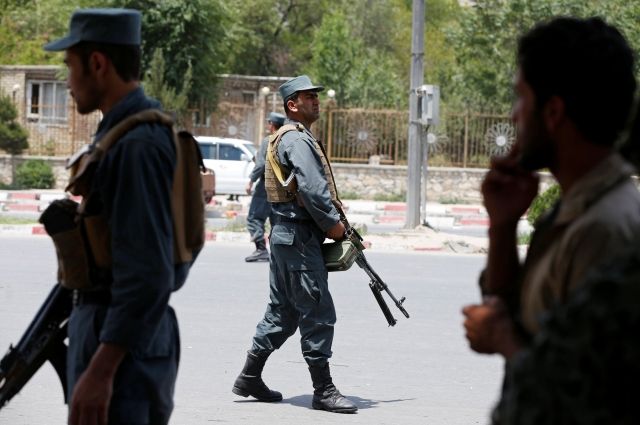
Afghan media reports say a motorcycle suicide bomber killed 14 people near a gathering of Muslim clerics in the Afghan capital yesterday after Afghan clerics had issued a fatwa against suicide bombings.
Citing the Interior Ministry, TOLONews reports the suicide attack happened when religious scholars were leaving the event at Loya Jirga (Grand Council).
The bomb reportedly killed seven clerics, four security officers and three people whose identities were unknown.
17 other people were wounded.
No group immediately claimed responsibility for the attack. The Taliban denied involvement.
More than 2,000 religious scholars from across the country reportedly began meeting on Sunday at the Loya Jirga tent, denouncing years of conflict. They issued a fatwa, or religious ruling, outlawing suicide bombings and demanding that Taliban militants restore peace to allow foreign troops to leave.
Shortly before the June 4 attack, the Afghan Ulema Council issued a religious order, or fatwa, against suicide bombings and urged peace talks to end the Afghan conflict.
“War in its all types is forbidden under the Islamic and Sharia law and it is nothing but shedding the blood of Muslims,” the religious scholars said in the fatwa.
Suicide attacks in Afghanistan are frequently condemned as fanatical and immoral, especially when civilians are killed, but insurgents view the tactic as their most effective weapon.
“Suicide attacks, explosions for killing people, division, insurgency, different types of corruption, robbery, kidnapping and any type of violence are counted as big sins in Islam and are against the order of the Almighty Allah,” the Afghan clerics said.
Militant attacks have killed dozens of people in Kabul in recent months, showing no sign of easing during the Islamic holy month of Ramadan.