Russian district police officer whose professional negligence caused the murder of a 5-year-old Tajik girl has been sentenced to 10 months of correctional labor. The girl’s father intends to appeal against the sentence.
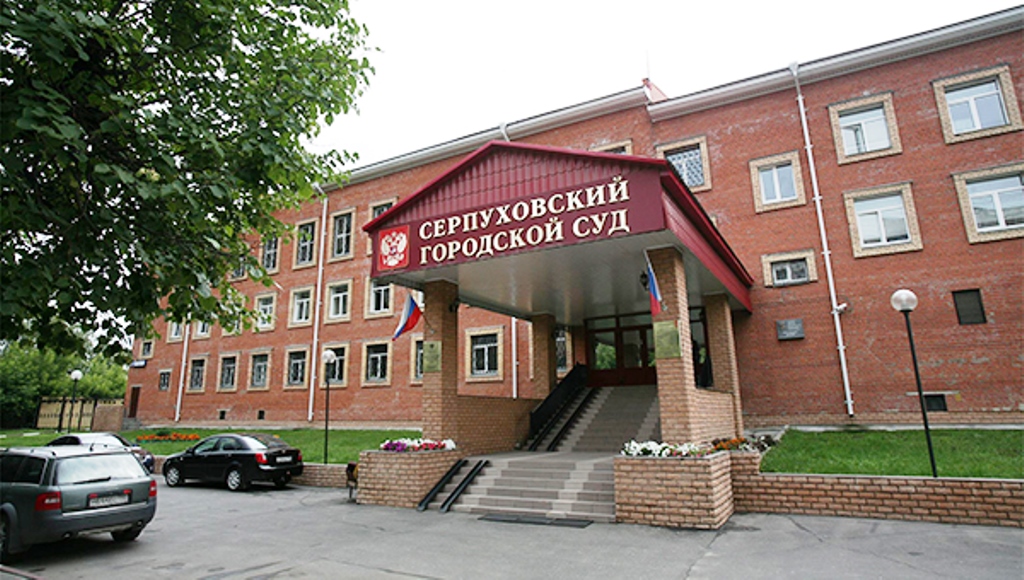
The Serpukhov city court has sentenced local district police officer, Georgy Kuznetsov, to 10 months of correctional labor. Besides, he is barred from serving in police during two years, according to the Serpukhov city court’s official website.
The website, in particular, says that in June 2017 Georgy Kuznetsov was charged with checking an application by local resident who accused her neighbor Alexander Syomin of trying to sexually abuse her daughter but Kuznetsov refused to institute criminal proceedings against Syomin.
As a result, Syomin committed severe crime last summer and a five-year-old daughter of Tajik migrants became his victim.
Kuznetsov was reportedly sentenced to only 10 months of correctional labor.
The girl’s father denounced the ruling and intends to appeal against the verdict.
Recall, the body of the five-year-old Huvaido Tillozoda, the daughter of labor migrants from Tajikistan, was found in a sports bag near a railway in Serpukhov on July 23 last year after she went missing on July 22.
The 28-year-old Alexander Syomin, who lives in the building where the victim and her parents lived, was detained on suspicion of raping and killing the girl.
According to Moskovsky Komsomolets, fingerprints of Huvaido and traces of her shoes were found in the man’s apartment.
Residents said that Alexander Syomin was reported to police in 2017 by a neighbor who accused him of trying to sexually abuse her daughter and another girl, but police did not institute criminal proceedings, limiting themselves just to conversation with the man.
The Tajik Foreign Ministry said on July 25, 2018 that an official note had been sent to the Russian Foreign Ministry stating that “the murder of five-year-old Tajik citizen Huvaido Tillozoda on July 22 in Serpukhov badly shocked and angered the people of Tajikistan.”
"The Tajik side calls on the Russian Federation…to thoroughly investigate this brutal crime against a child and demands severe punishment for the criminal who committed this inhumane act of violence," the Tajik Foreign Ministry statement said.
Investigation into this has been lasting for already 10 months. Meanwhile, the suspect Alexander Syomin has been in Serbsky National Research Centre for Social and Forensic Psychiatry for medical, psychological, and forensic examination since August 22 last year.