Tajikistan achieved a substantial harvest of agricultural products in 2024, but optimistic forecasts for cotton production fell short, with 27% less cotton harvested than planned.
According to official statistics, from January to November 2024, the total agricultural output in Tajikistan amounted to 67.2 billion somonis, an increase of 11.3% compared to the same period last year.
Growth was observed across all key areas. Crop production increased by 13.7%, while livestock production showed a positive trend with a 5.6% rise.
The total crop production during this period reached 48 billion 28.2 million somonis, 13.7% more than in 2023.
Grain production exceeded 1.17 million tons, including about 880,000 tons of wheat.
Other major crops included 1.2 million tons of potatoes, over 4 million tons of vegetables and melons, and about 800,000 tons of fruits, including 244,000 tons of apples, 280,000 tons of apricots, and 268,000 tons of grapes.
Livestock production reached 19 billion 172.6 million somonis, a 5.6% increase compared to the same period last year.
Experts attribute these results to the introduction of modern farming methods and state support for agriculture.
However, cotton production declined by 27.5%, due to unfavorable weather conditions this year and the reallocation of agricultural resources in favor of food crops.
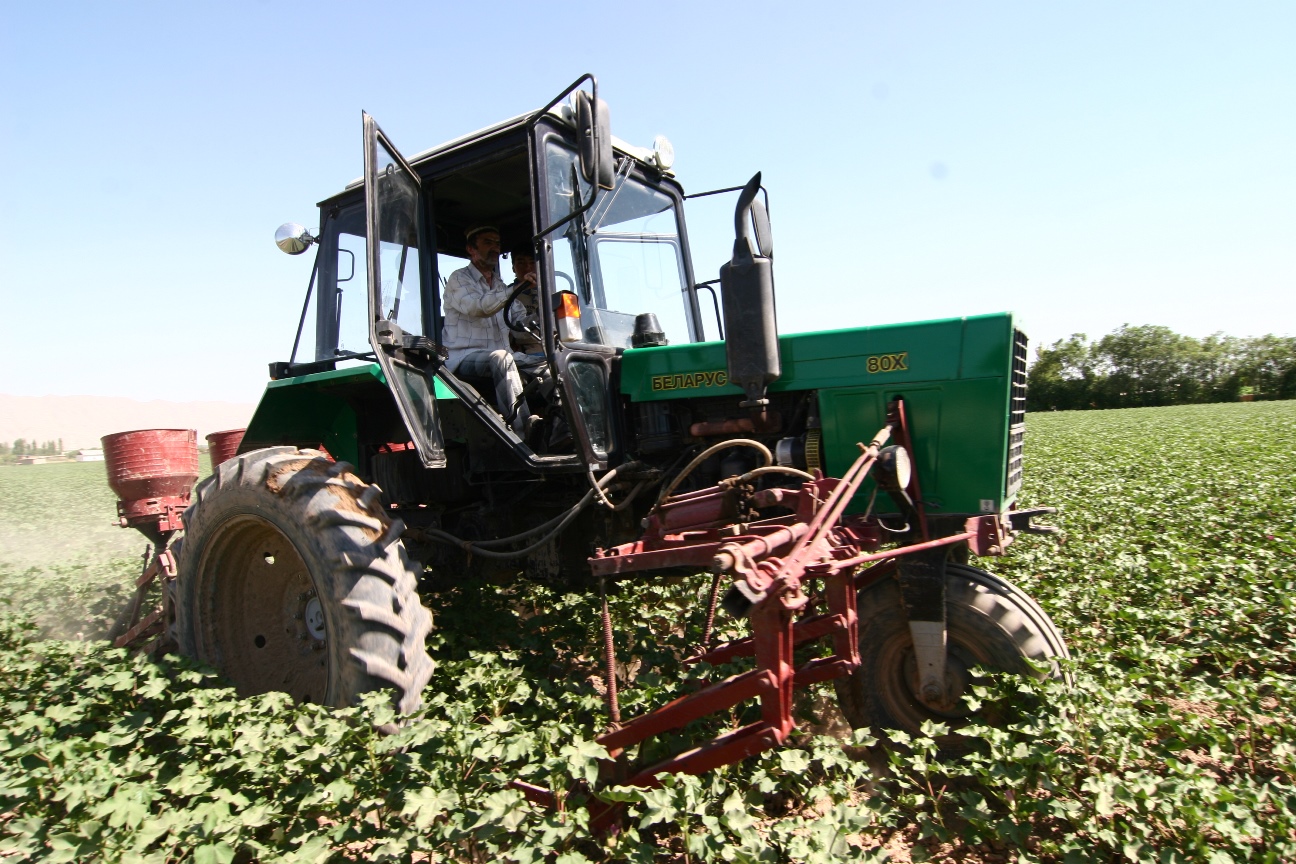
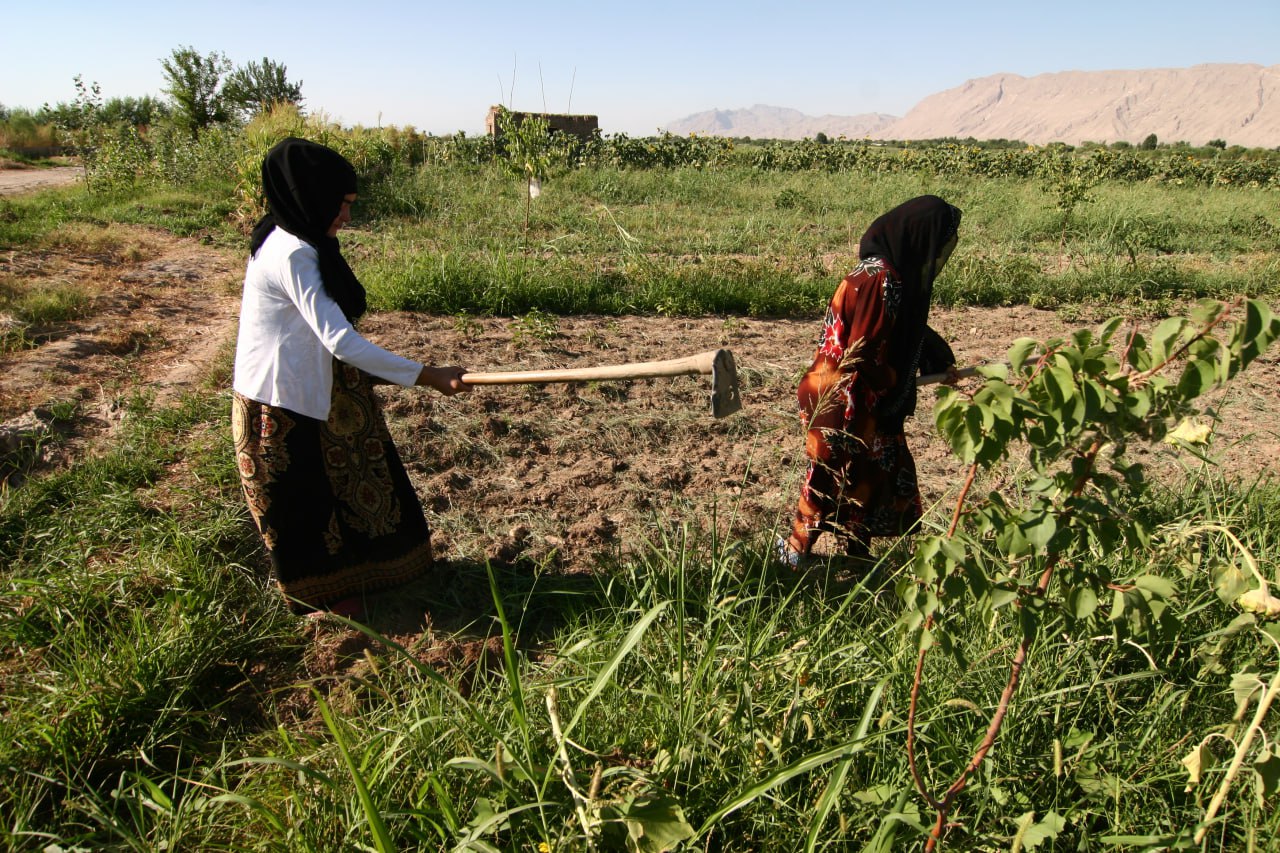
Main contributor: household farms
Household farms make up the largest share of the agricultural sector, accounting for 47.8% of total agricultural output. These farms produce the majority of vegetables, fruits, and dairy products, underscoring the crucial role of rural populations in ensuring the country's food security.
Dehqon (peasant) farms also hold a significant share, contributing 40.2% of total output. This is attributed to active support for farming and incentives for private entrepreneurship in agriculture, enhancing efficiency and productivity.
Public farms account for 12% of Tajikistan's total agricultural production. Their role is gradually declining due to reforms aimed at fostering private and dehqon farms.
These figures highlight ongoing reforms and the development of the agricultural sector, with an emphasis on increasing the role of small producers and farms, which contributes to the sustainable development of rural areas.
Tajikistan's regions: which region achieved the best growth?
Tajikistan's regions demonstrated varying growth rates in agriculture:
Districts subordinate to the center (RRP) led with 14.8% growth and a total output of 10.3 billion somonis.
Sughd Province ranks second with 20.5 billion somonis in output and 13% growth.
Khatlon Province increased its output to 35.6 billion somonis, achieving 9.6% growth.
The Gorno-Badakhshan Autonomous Region (GBAO) recorded an output of 834.2 million somonis, with minimal growth of only 1.0%.




