Co-chaired by the Tajik Minister of Energy and Water Resources Daler Juma and his Iranian counterpart Abbas Aliabadi, the two-day 17th meeting of the Joint Intergovernmental Commission for Trade and Economic Cooperation is concluding in the Iranian city of Shiraz today, the press center of Tajikistan’s State Committee on Investment and State-owned Property Management (GosKomInvest) reports.
An Investment and Entrepreneurship Forum of both countries that took place in Shiraz yesterday on the sidelines of the Intergovernmental Joint Commission reportedly brought together representatives from relevant ministries and agencies, as well as delegations from the private sectors of both nations.
The parties discussed opportunities to expand cooperation in areas such as industry and mining, investments, transportation, finance and banking, customs, education, healthcare, water supply, energy, agriculture, and others.
Speaking at the forum, Farrukh Yusufzoda, First Deputy Chairman of the GosKomInvest, emphasized that Tajikistan is actively implementing reforms aimed at improving the investment climate, developing the private sector, and supporting entrepreneurship.
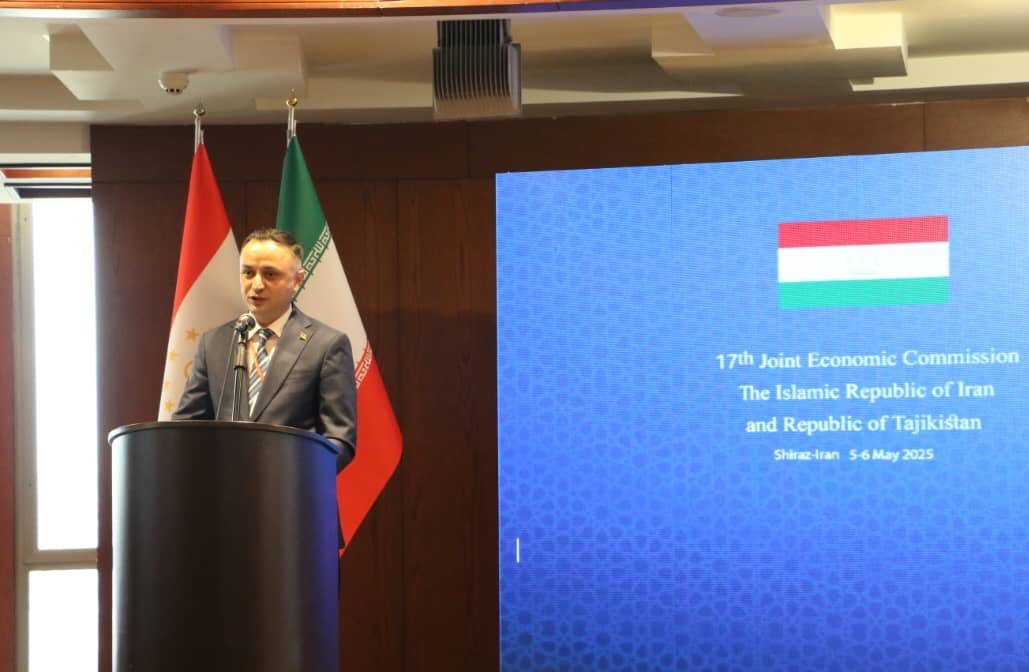
Talking about opportunities for Iranian investors, Yusufzoda invited them to cooperate with Tajikistan, noting that the country offers favorable conditions for business development and active exchange of experience. He expressed confidence that the joint efforts of both countries would contribute to the expansion of bilateral economic and investment interaction.
Shiraz and Dushanbe are set to be connected by a new air route
In his speech at the investment forum, the Governor of Iran’s Fars Province, Hoseini Ali Amiri, noted that political and economic relations between Iran and Tajikistan have rapidly developed in recent years. He emphasized that Shiraz has unique opportunities in medical and cultural tourism. Currently, a significant number of Tajiks come to Shiraz for medical services while also visiting the city's historical monuments, which are part of the shared heritage of Persian culture.
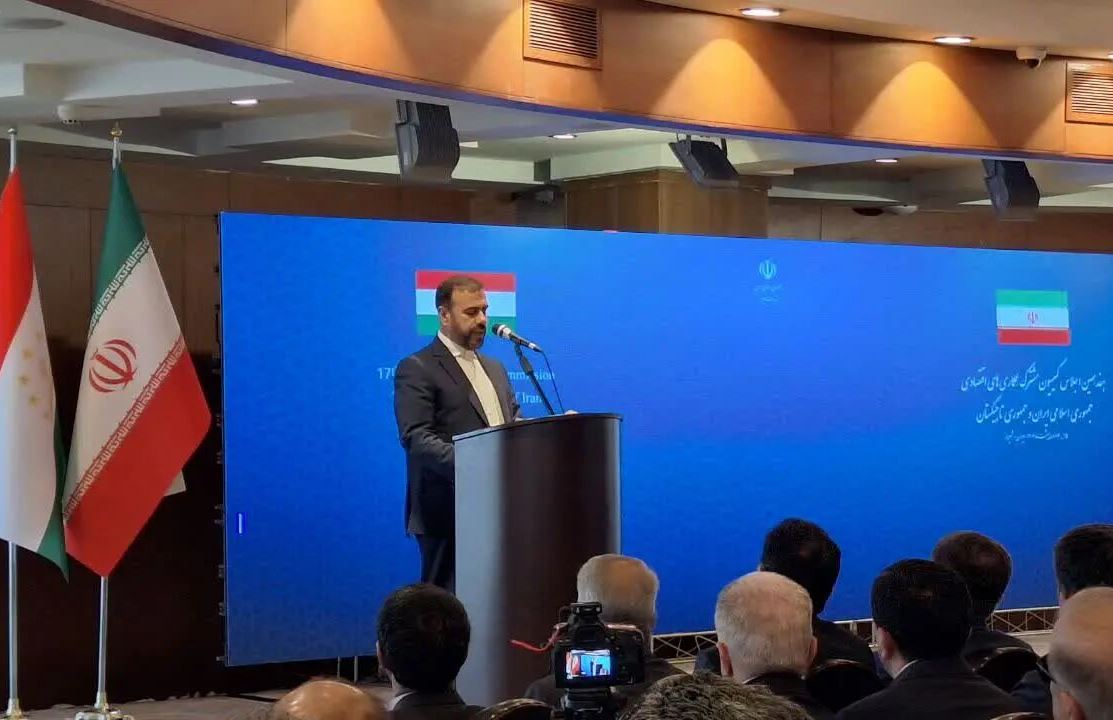
However, there is still no direct air route between Dushanbe and Shiraz, although this issue was discussed during the January visit to Tajikistan by Iranian President Masoud Pezeshkian. Now, the private sector must get involved in organizing the flight to strengthen the exchange of passengers, tourists, and entrepreneurs.
“The opening of direct flights from Shiraz to Dushanbe will contribute to the development of tourism and strengthen economic ties between Fars and Tajikistan. We are ready to organize various tourist tours and cooperate in this area,” emphasized Amiri.
He also recalled that during a recent meeting with the Minister of Industry and New Technologies of Tajikistan, he proposed creating a joint airline “with countries celebrating Nowruz.”
“Fars, with its investment opportunities in history, culture, civilization, and medicine, and having mutual interests with Tajikistan, can become a suitable platform for expanding connections through the establishment of tourist institutions in these areas,” added the governor.
Amiri also noted that Fars produces about 12% of the country’s agricultural products, opening excellent opportunities for cooperation between producers and traders of Iran and Tajikistan. In industry and construction, Fars produces 40% of Iran’s ceramic tiles and porcelain, making it an important player in this sector.
“According to the Fars Customs Administration report, a significant part of trade between this region and Tajikistan is focused on ceramics, porcelain, and stones,” he noted.
Priority areas: trade and tourism
Iran’s Donya-ye Eghtesad reports that the head of the International Department of Iran's Ministry of Energy, Mohammadvali Alaudini, reminded of the goal to increase the trade turnover between the two countries to US$500 million. Alaudini emphasized that Iran has significant potential in areas such as water supply, electricity, roads, oil and gas, petrochemicals, high-tech industries, and healthcare. These sectors can be used to expand interaction between the two countries.
He also noted that the Tajik delegation preferred to hold the meeting in Shiraz rather than Tehran, reminding that many Tajiks come to Shiraz and other Iranian cities for medical treatment




