In Tajikistan, the total volume of modern warehouses does not exceed 10,000 square meters, which is the lowest in the region, according to data from NF Group.
While demand in Dushanbe and other cities is mostly covered by outdated Soviet-era facilities and small private buildings, the lack of large logistics centers continues to slow down the development of trade and reduces the attractiveness of the country for investors. In addition, Tajikistan's mountainous terrain significantly limits the possibility of building large storage facilities.
Regional contrasts
Against the background of stagnation in Tajikistan, the region is experiencing a sharp increase.
In 2025, Kazakhstan overtook Belarus and took the second place in terms of warehouses in the CIS – 1.78 million square meters, almost 80% of which are concentrated in Almaty and Astana.
There are about 555,000 square meters in Uzbekistan, while the vacancy rate in Tashkent is only 1.7%, which indicates a critical shortage.
Kyrgyzstan is actively increasing its capacity and plans to introduce more than 360,000 square meters of new warehouses in the coming years.
Old foundation instead of new complexes
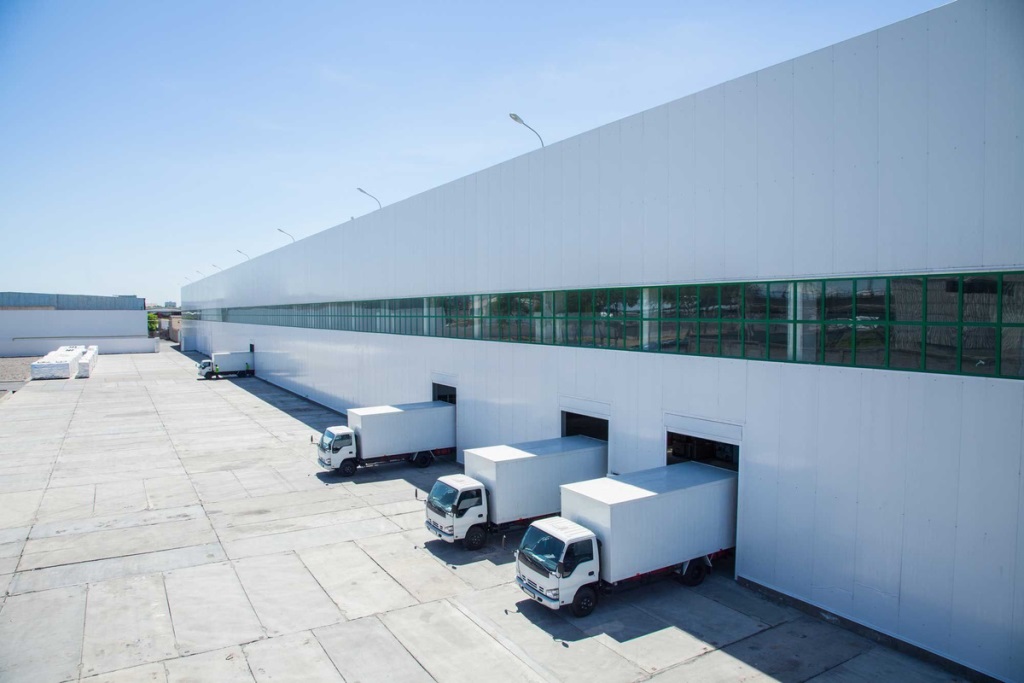
Most Tajik warehouses belong to class "B" and are used for storing food and customs goods. Modern logistics complexes of class "A" are virtually non-existent. In the third quarter of 2024, no new facilities were commissioned in the country, and the vacant areas are fully occupied.
In 2024-2025, projects for three new warehouse complexes with a total area of over 50 thousand square meters were announced. Among them are the regional Logistics and trade Center in Khujand within the framework of the Shymkent-Tashkent-Khujand corridor with the support of ADB, a warehouse park in Dushanbe and a private complex near Khujand airport. Saudi Arabia is showing interest in creating a logistics hub in the republic.
Tajikistan's geography hinders the development of logistics infrastructure
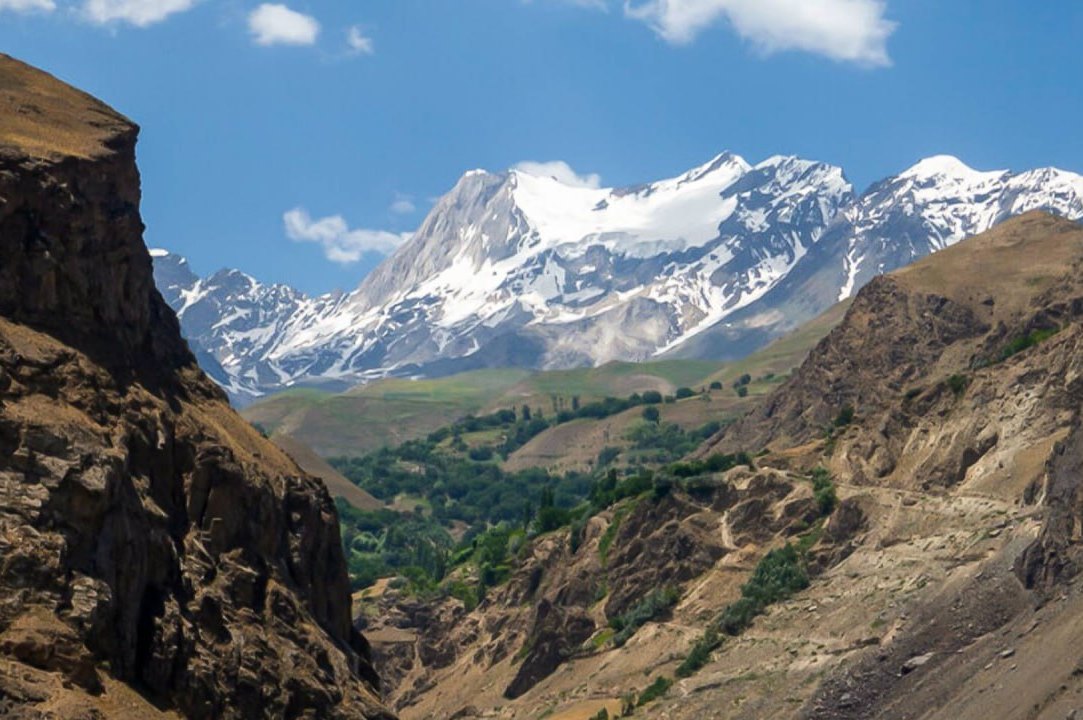
Geography remains the main obstacle: more than 90% of the country's territory is occupied by mountains, and there are very few suitable sites for logistics projects. Economists note that the construction of warehouses is directly related to the growth of non-primary exports and attracting investments. Russia, China and the countries of the Middle East are interested in forming new logistics hubs in Tajikistan.
According to forecasts, the republic can repeat the path of Kyrgyzstan, where the construction of warehouses is actively planned. But this requires serious investments in infrastructure, from industrial zones to connecting to highways. In the long term, the sector may become a driver of e-commerce and non-primary exports.




