

Although on October 19, Pakistan and the Taliban, with the mediation of Qatar and Turkey, announced a ceasefire, the negotiations in Istanbul have not yet yielded stable results. According to Tajik expert Qosim Bekmuhammad, the disagreements between the two sides remain one of the key issues for regional security in Eurasia.
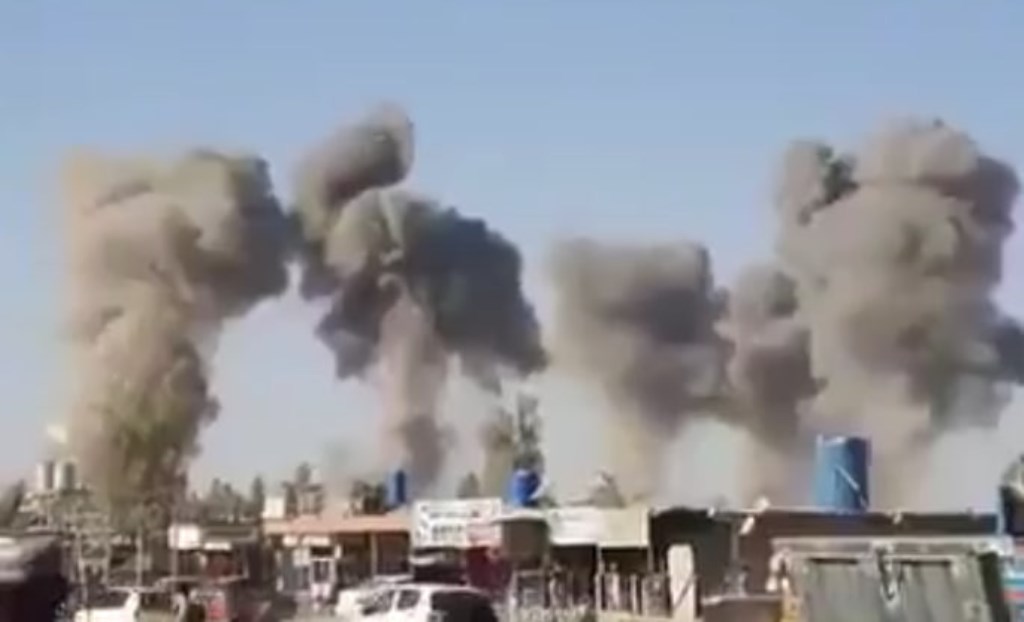
Clashes between the Taliban regime in Afghanistan and Pakistani forces began after October 9, when militants from Tehrik-i-Taliban Pakistan (TTP) attacked a Pakistani military convoy in the Kurram region, killing two officers and nine soldiers. The following day, Pakistan launched an airstrike on Kabul, where, according to some reports, TTP leader Noor Wali Mehsud was killed, although his death has not been officially confirmed. Soon after, mutual airstrikes and intense border clashes ensued, eventually culminating in a temporary truce.
Pakistan's Unfulfilled Expectations
Islamabad had hoped that with the Taliban's return to power in Afghanistan, Kabul would become not just "strategic depth" but also a reliable partner. In the early days of the Taliban’s takeover, high-ranking Pakistani political and intelligence officials actively engaged with the new regime. However, instead of strengthening ties, Pakistan faced growing threats from militants hiding in Afghanistan’s border regions—a situation that has turned against Islamabad’s interests.
India Enters the Kabul Arena
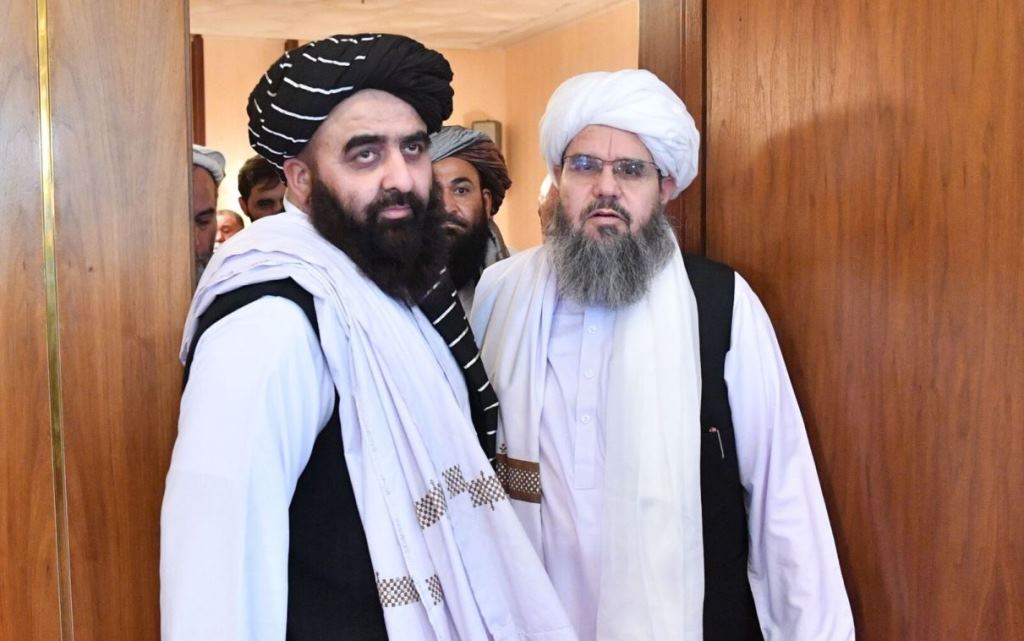
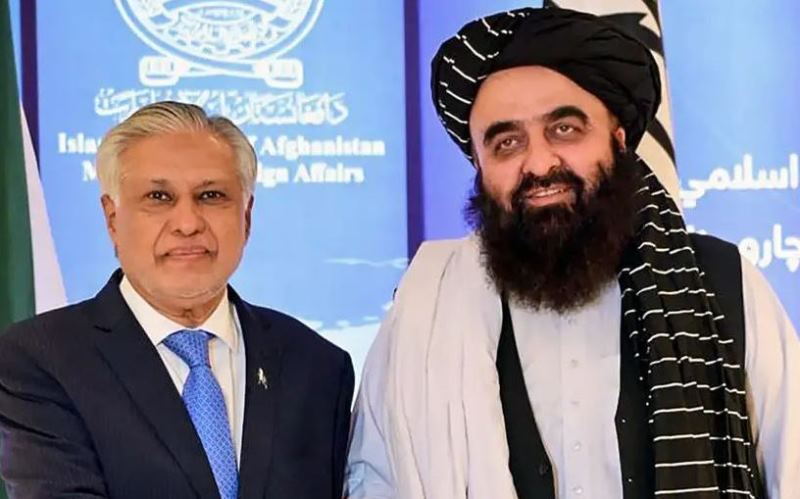
On October 9, Taliban Foreign Minister Amir Khan Muttaqi made an official visit to India, where he discussed bilateral cooperation, the expansion of Indian infrastructure projects, and the possible opening of an Indian embassy in Kabul. The visit signaled that Afghanistan is seeking a balance of regional influences.
Strategic Depth Turns into Strategic Threat
The rise of Indian influence in Afghanistan—a country that Pakistan has traditionally viewed as its "strategic depth"—has become a direct challenge to its interests. Historically, Pakistan considered itself the Taliban’s patron, having provided the group with bases in Waziristan, Quetta, and Peshawar. But now, the Taliban is distancing itself from Islamabad, while India’s increasing activity threatens the geopolitical status quo.
Pakistan’s airstrikes on Kabul—an unprecedented move in bilateral relations—reflected Islamabad’s deep concerns. As a result, the former allies have come to see each other as “strategic threats”: on one hand, TTP is undermining Pakistan’s internal security; on the other, Pakistan is no longer viewed by the Taliban as a reliable patron but rather as a source of tension.
"By Force, Pleading, or Money"—But Keep the Taliban Close
Despite growing contradictions, Pakistan and the Taliban remain interdependent. A break with Pakistan would deprive Afghanistan of key port routes (Karachi and Gwadar), dealing a heavy blow to its weak economy. This situation benefits India, Iran, and to some extent, Russia and the Central Asian countries, which are all interested in reducing dependence on the Pakistan-Afghanistan corridor.
Islamabad's main concern is the potential strengthening of military-political cooperation between the Taliban and India, which could undermine Pakistan’s position from both the west and the east.
But It Won’t Be Easy
Pakistan insists that the Taliban is sheltering TTP militants, while Kabul denies these accusations. Resolving this issue will be extremely difficult, as the Taliban and TTP share common ethnic (Pashtun), religious (Deobandi school), and ideological roots, making a complete severance of ties between them highly unlikely.
China, Iran, and Russia – Between Opportunity and Concern
While China, Iran, and Russia may see some advantages in the current situation, none of the regional powers are interested in a full-scale escalation. China, in particular, is counting on a stable Pakistan-Afghanistan corridor as part of its Belt and Road Initiative. Russia is also not interested in instability, as it increases the importance of its military presence in the region and cooperation with Central Asian countries.
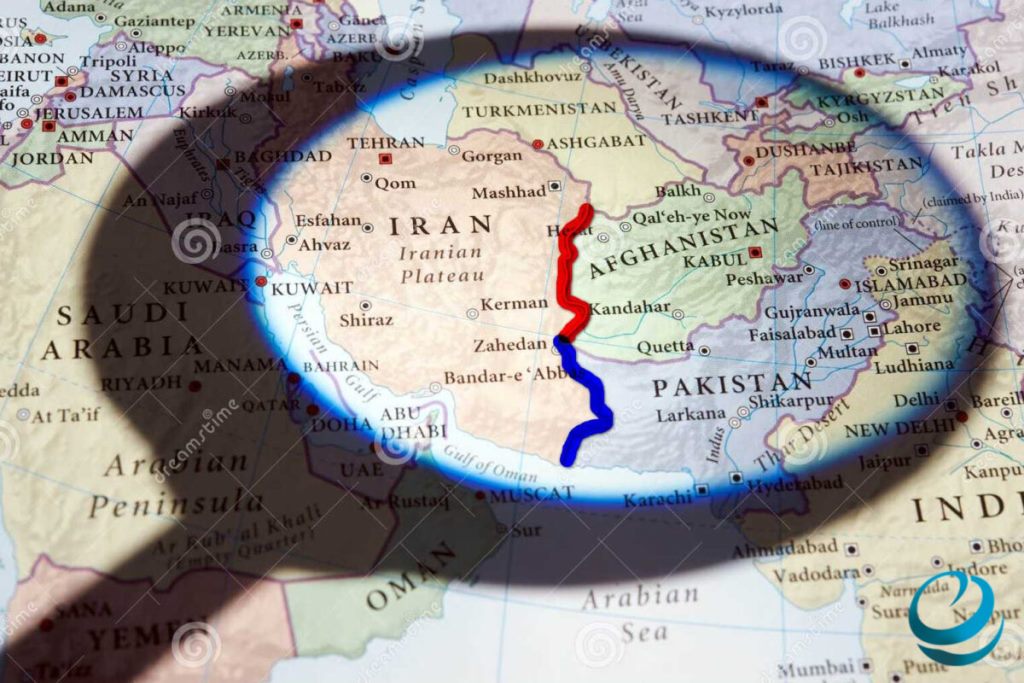
The armed confrontation between Pakistan and the Taliban threatens infrastructure, transit, and energy projects that connect Central Asia with external markets. This is boosting interest in alternative routes through Iran, the Caspian Sea, and the Caucasus.



