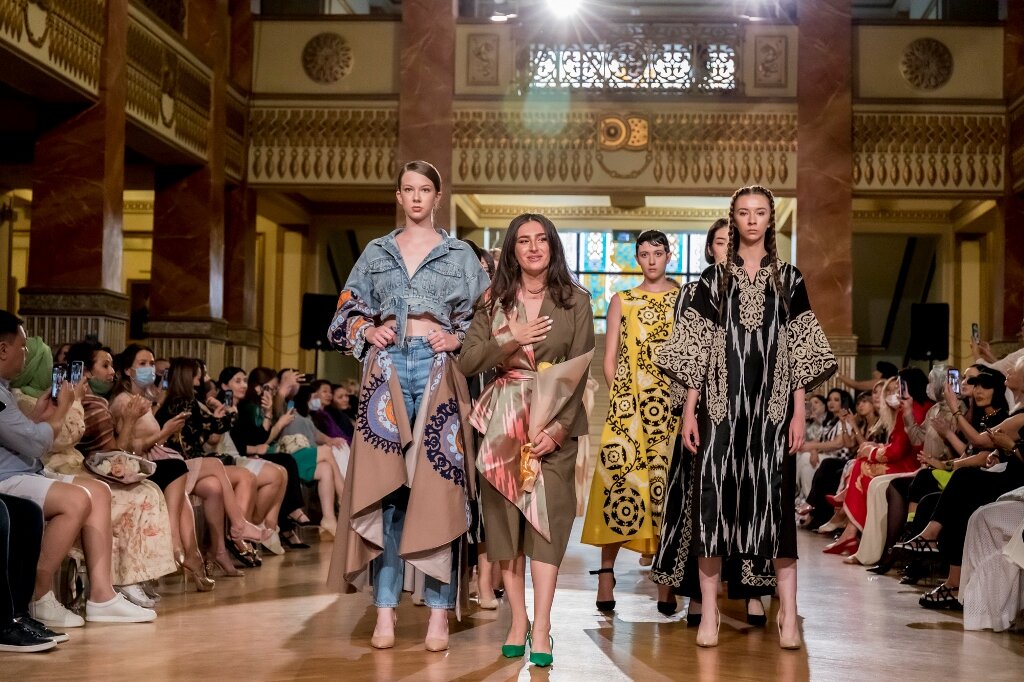
For the first time, Tajikistan will be represented at one of the world’s four major fashion weeks — New York Fashion Week. Designer Nafisa Imranova, founder of the ZHIWJ brand, will present her collection on the prestigious international runway.
Imranova is a graduate of the Academy of Design in Singapore. She previously participated in a closed Jimmy Choo show in Kuala Lumpur and showcased her collections in Paris. The New York show marks a new stage in her career and the first-ever participation of a Tajik brand at NYFW.
Alongside Paris, Milan, and London, New York Fashion Week shapes the global fashion agenda. Participation provides designers with access to international buyers, leading fashion editors, and major retailers, often serving as a gateway to global markets.
The participation was sponsored by AN Group, with support from Tajikistan’s Ministry of Culture. Organizers say the partnership highlights the strategic importance of promoting the country’s cultural potential internationally.
Imranova’s show is scheduled for February 16, with the first runway images expected shortly thereafter.
How the brand was selected
The opportunity came through Flying Solo, a platform operating under the umbrella of New York Fashion Week that supports independent designers through its boutiques and international sales channels. Representatives of the platform contacted ZHIWJ after discovering the brand on Instagram. “At first, I thought it was a joke,” the designer recalls.
She was later invited to complete a detailed application outlining the brand’s development, international experience, media coverage, mission, and values.
Imranova highlighted her education in Singapore, participation in the Jimmy Choo show, and her presentations in Paris. However, she says the brand’s social mission ultimately played a decisive role.
ZHIWJ works with women who were unable to complete their schooling, teaching them craftsmanship skills and enabling them to earn income, including from home. Women with disabilities are also involved in embroidery work carried out remotely.

Preserving Tajik cultural heritage is another key pillar of the brand. “Every ornament carries meaning and philosophy. It is the legacy of our ancestors,” Imranova says.
The brand also prioritizes sustainability, working with upcycling and recycled materials. Up to half of its collections are created from reimagined or recycled garments. ZHIWJ has collaborated with international organizations, including UNICEF, and conducted workshops on sustainable fashion.
It was this combination of social responsibility, cultural identity, and environmental awareness that enabled the brand to pass the international selection process.
Preparing the collection
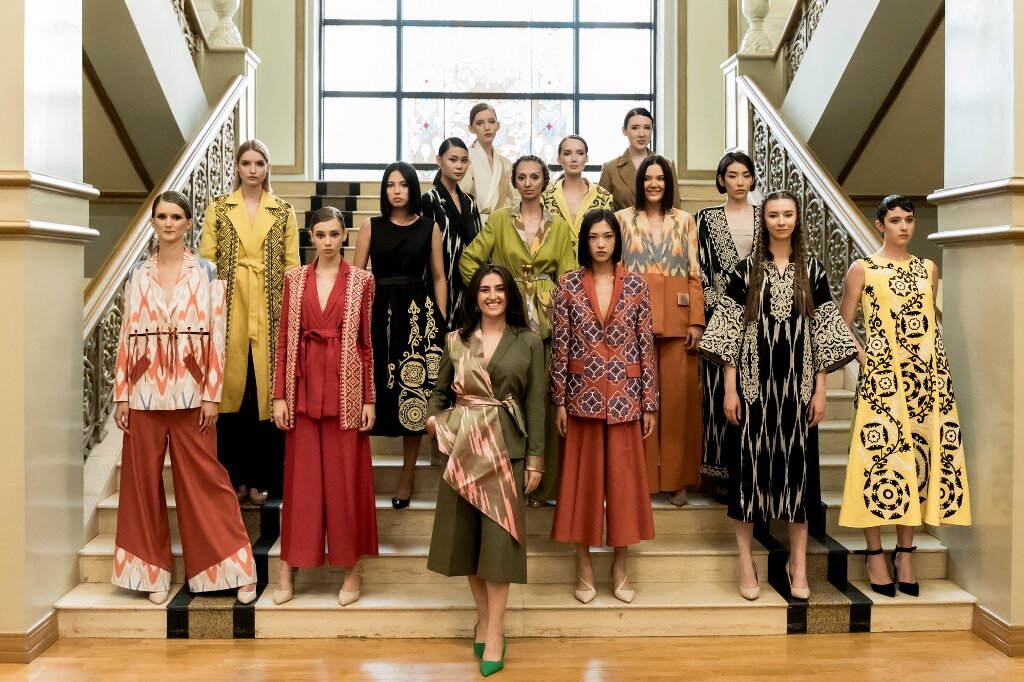
After her application was approved, Imranova faced a new challenge: creating eight new looks within a tight deadline, each accompanied by a detailed explanation of its concept and philosophy.
“The most nerve-racking stage was designing the collection. I usually create easily, but this time the responsibility felt overwhelming, and I went through a creative block,” she says.
Perfectionism and the desire to present flawless work on an international stage made the process particularly intense. Support from her family and strong personal focus helped her complete the collection on time.
The designer drew inspiration from traditional elements — braided hairstyles of Tajik women, layered garments, headscarves, and national ornaments. “I wanted to combine the image of a modern Tajik woman with elements of historical costume — to create a synthesis of East and West,” she explains.
Will Tajik trends reach the West?
Imranova believes there is genuine Western interest in Eastern aesthetics but says Tajik designers must work harder to promote themselves internationally.
Brands from neighboring countries are currently more visible on global platforms, while Tajik designers rarely appear on major runways. Yet distinctive elements such as chakan embroidery and Pamiri and Sughdian ornaments could attract strong international interest if presented in a contemporary context.
“It is important for each designer to have a clear brand DNA and maintain uniqueness rather than copy others. Only then will international audiences begin to recognize and appreciate Tajik traditions,” she says.
For Imranova, ZHIWJ’s participation in New York Fashion Week goes beyond a single runway show. It represents a strategic opportunity for Tajikistan’s fashion industry to present itself on the global stage, highlight its cultural heritage, and lay the groundwork for broader international recognition.