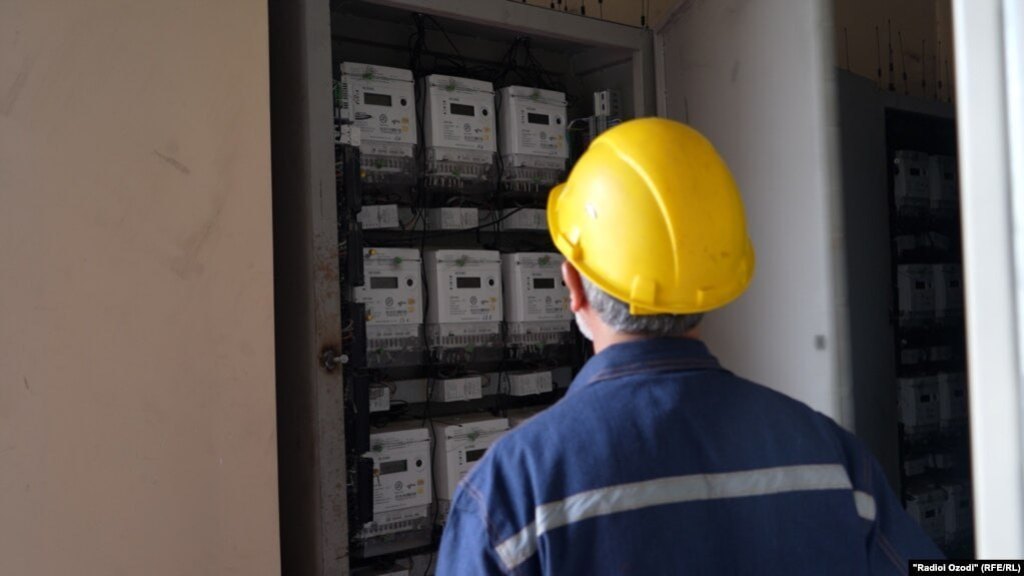
Tajikistan’s Prosecutor General’s Office has uncovered serious violations in the energy sector, including the embezzlement of funds collected from consumers for electricity payments. Prosecutor-General Habibullo Vohidzoda announced the findings at a news conference in Dushanbe on February 13.
According to Vohidzoda, 9 million somoni were discovered in the bank account of an electricity inspector, allegedly collected from consumers as payment for electricity.
“There are many such cases — collecting electricity payments and misappropriating them, along with other illegal actions in the energy sector,” he said, noting that some employees accepted payments but failed to transfer the funds to the state.
Scale of violations
Prosecutors reported numerous instances of budget embezzlement, incorrect billing, violations in the billing system, and other abuses. As a result of prosecutorial intervention, more than 365 million somoni have been returned to the state budget.
In 2025, 4,972 individuals were held criminally or administratively liable for illegal electricity use. Deputy Prosecutor General Sarvar Azimzoda said 245 criminal cases were initiated.
Among those charged are 23 energy network managers, 120 electricity inspectors, and several consumers. The total amount of damages reimbursed to the state exceeded 46.6 million somoni.
Accountability of energy sector employees
Earlier, the Electricity Transmission Networks company reported that 125 employees were prosecuted and dismissed in 2025 for violations related to electricity supply.
The Energy Supervision Agency stated that 406 employees of power supply organizations were fined a total of 293,000 somoni last year. Of them, 375 worked for Electricity Distribution Networks, 12 for Electricity Transmission Networks, 9 for Barqi Tojik, and 10 for Pamir Energy.
The fines were imposed under Articles 394 and 397 of the Administrative Code for violations of rules governing the use of energy resources and the operation of electrical and heating equipment.
The intensified crackdown began last year after penalties for illegal electricity use and non-payment were strengthened. Under the Criminal Code, offenders face fines ranging from 27,000 to 90,000 somoni or imprisonment for three to ten years.