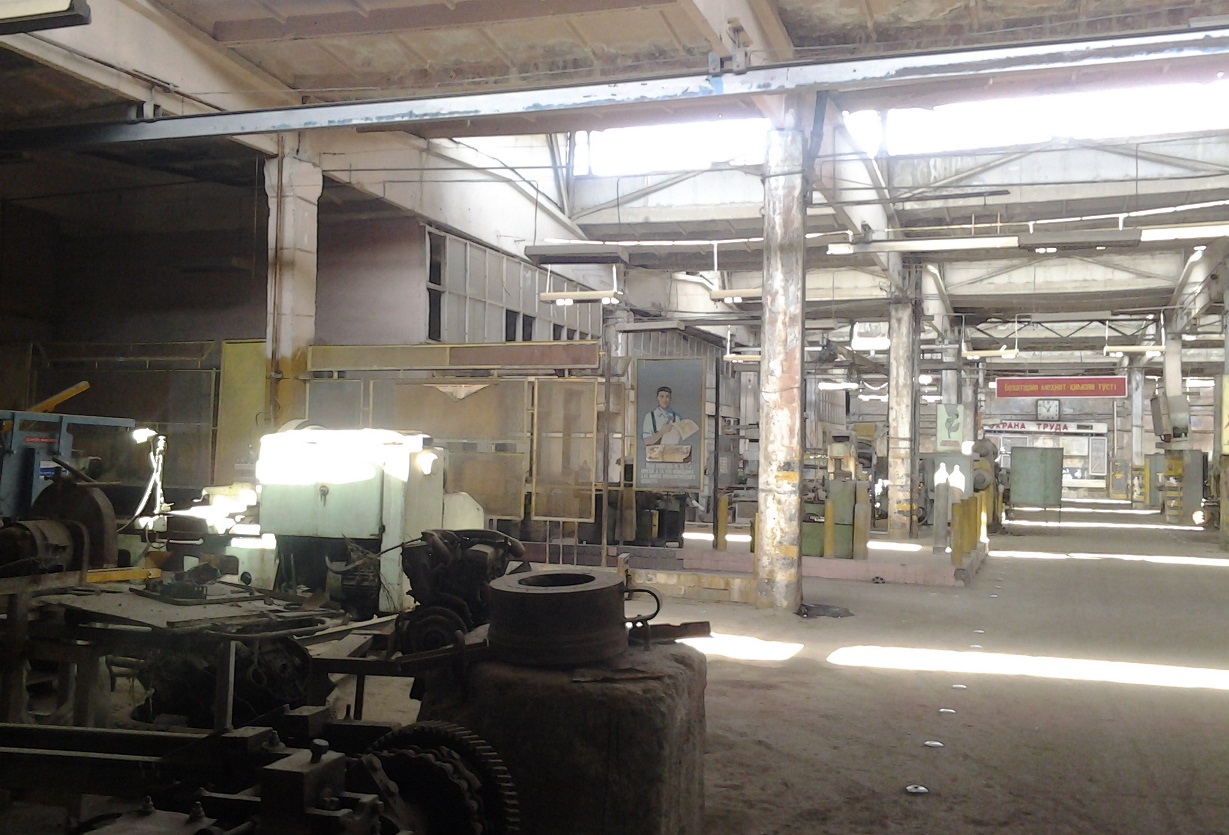
In 2025, 87 industrial enterprises in Tajikistan ceased operations, with some halting their activities at the suggestion of the Ministry of Industry and New Technologies (MoINT). According to Minister of Industry and New Technologies, Sherali Kabir, these businesses were shut down due to their "insignificant impact on the country's overall industrial output."
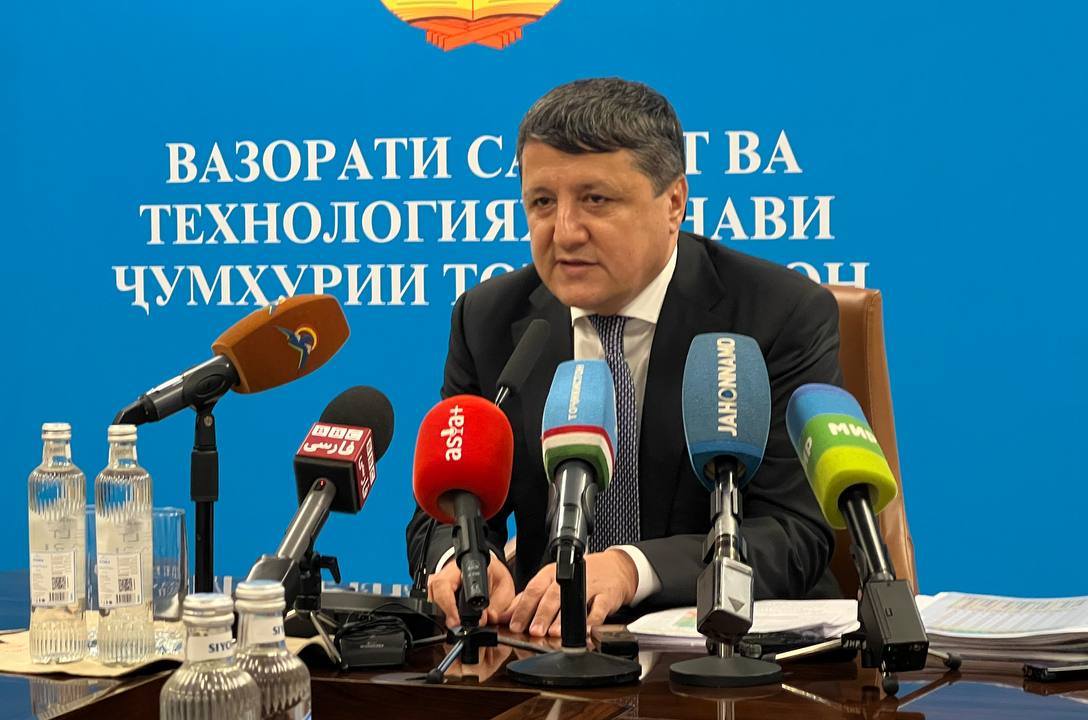
During a news conference on February 11, Kabir referred to the closure of enterprises as "one of the ongoing issues" facing the country. He emphasized that efforts were being made with each business, as "every job is important for the state system."
Reasons behind the closures
Kabir identified two key reasons for the shutdowns: businesses with zero output and those changing their form of activity. He also noted that some enterprises were contractors for multiple other businesses, leading to discrepancies in reporting—these companies were counted as one enterprise in official statistics, despite being registered as multiple entities for tax purposes. Kabir stressed that this situation was unacceptable.
Problematic enterprises
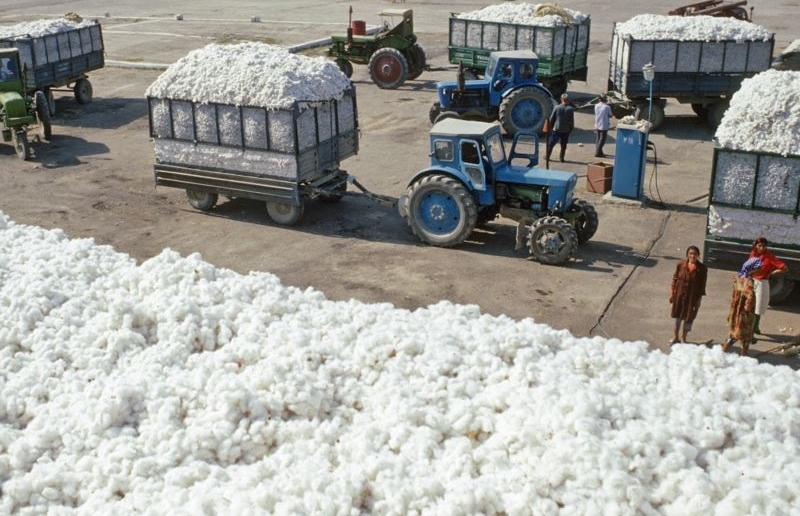
According to Kabir, many of the shut-down businesses were small cotton processing plants that did not meet international standards and were having a negative impact on Tajikistan's cotton industry.
These enterprises used outdated technology and shortened the fiber length, damaging the reputation of Tajik cotton. He pointed out that 120 cotton-cleaning plants in the Khatlon region were particularly problematic.
The Ministry of Industry, along with other government agencies, formed a commission and recommended that these businesses cease operations. Currently, Tajikistan's cotton cleaning capacity is 2.4 million tons, but the country processes only about 500,000 tons of cotton per year.
Kabir suggested the possibility of converting these plants into technological parks, and the government is currently reviewing the issue in detail. He also clarified that the closure or transformation of companies is not inherently negative but should be evaluated based on their efficiency and contribution to the industrial output. In fact, 400 enterprises with zero output in 2025 accounted for only 1.3% of the total industrial output.
Industrial growth in 2025
Despite the closures, Tajikistan’s industrial production grew by 21.1% in 2025. Kabir noted that the country led the CIS in growth rates for the year. Industrial output amounted to 66.7 billion somoni, an increase of 13.3 billion somoni compared to 2024.
New enterprises in 2025
In 2025, Tajikistan also saw the creation of 396 new industrial enterprises, providing 2,422 new jobs. The distribution of these new businesses is as follows:
· Gorno-Badakhshan Autonomous Region (GBAO): 54 enterprises with 157 jobs
· Sughd province: 144 enterprises with 847 jobs
· Khatlon province: 85 enterprises with 700 jobs
· Districts subordinate to the center (RRP): 50 enterprises with 290 jobs
· Dushanbe: 63 enterprises with 428 jobs
These new enterprises collectively produced goods worth 198.75 million somoni. However, Kabir pointed out that these enterprises contributed only 0.3% of the total industrial output in 2025.
As of January 1, 2026, there were 3,972 registered industrial enterprises in Tajikistan, providing 92,927 jobs, an increase of 198 businesses compared to the previous year.
Conclusion
While the closure of nearly 90 enterprises in 2025 highlights some ongoing challenges within Tajikistan's industrial sector, the country has made significant strides in boosting production and establishing new businesses. The government is focused on restructuring inefficient enterprises and ensuring that future industrial growth is sustainable and beneficial for the economy.