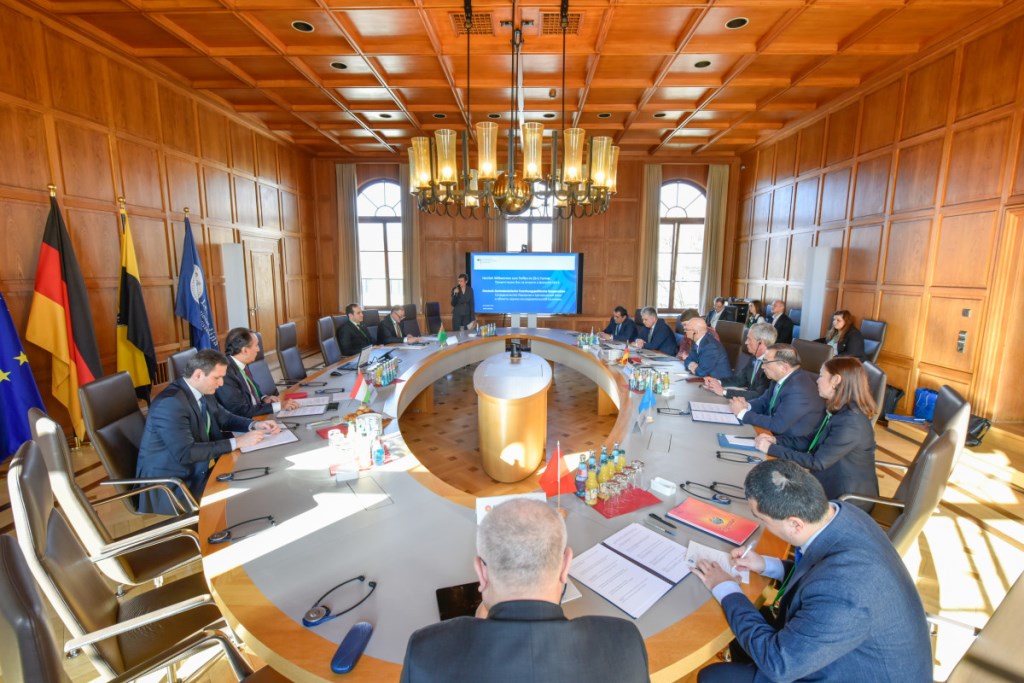
Tajikistan is ready to further strengthen its collaboration with German scientific institutions and universities in the areas of joint research projects and academic mobility. This was stated by Tajikistan’s Ambassador to Germany, Imomuddin Sattorov, at the German Forum on Science and Education in the "Central Asia – Germany" format (C5+1).
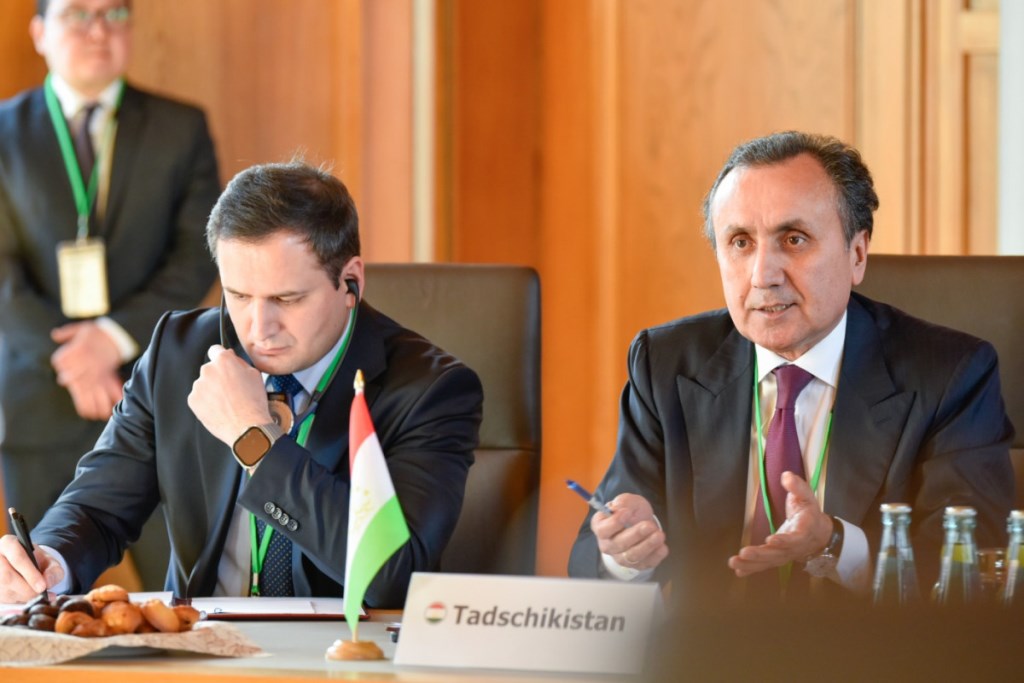
According to Tajikistan’s Embassy in Berlin, Sattorov emphasized the importance of scientific cooperation with Germany for the sustainable development of the countries in the region.
The forum, which took place from February 23 to 25 at the headquarters of the German National Academy of Sciences "Leopoldina" in Halle, marked a significant event for strengthening scientific and educational cooperation between Central Asia and Germany as part of the strategic regional partnership in the C5+1 format.
The event was organized with the support of the German Federal Ministry for Research, Technology, and Space, Martin Luther University Halle-Wittenberg, and the Central Asian Bureau for Sustainable Innovations (CASIB).
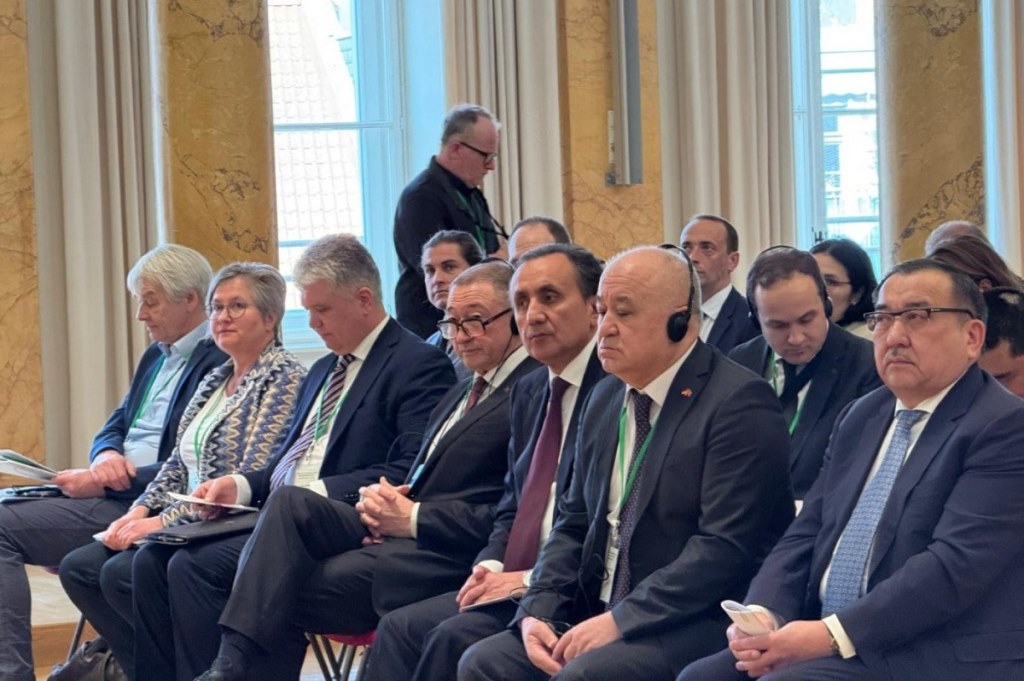
During the forum, a Joint Declaration of Intent was signed on cooperation in the fields of science, research, and innovation within the C5+1 format, between the German Federal Ministry for Research, Technology, and Space and the relevant ministries of Tajikistan, Kazakhstan, Kyrgyzstan, Turkmenistan, and Uzbekistan.
Events in the "Central Asia – Germany" Format
The German Forum on Science and Education continued a series of February events in the "Central Asia – Germany" format.
Earlier, on February 11, the first meeting of the Foreign Ministers of Central Asia and Germany under the C5+1 format took place in Berlin. The Tajik delegation was led by the Minister of Foreign Affairs of Tajikistan, Sirodjidin Muhriddin.
The ministers discussed international and regional issues, as well as the development of economic, investment, humanitarian, and migration cooperation, and security collaboration within the C5+1 format.
In his speech, Sirodjidin Muhriddin highlighted that Tajikistan and Germany are actively strengthening mutually beneficial cooperation in sectors such as economics, investment, energy, industry, education, science, and culture, with a particular focus on interpersonal relations.
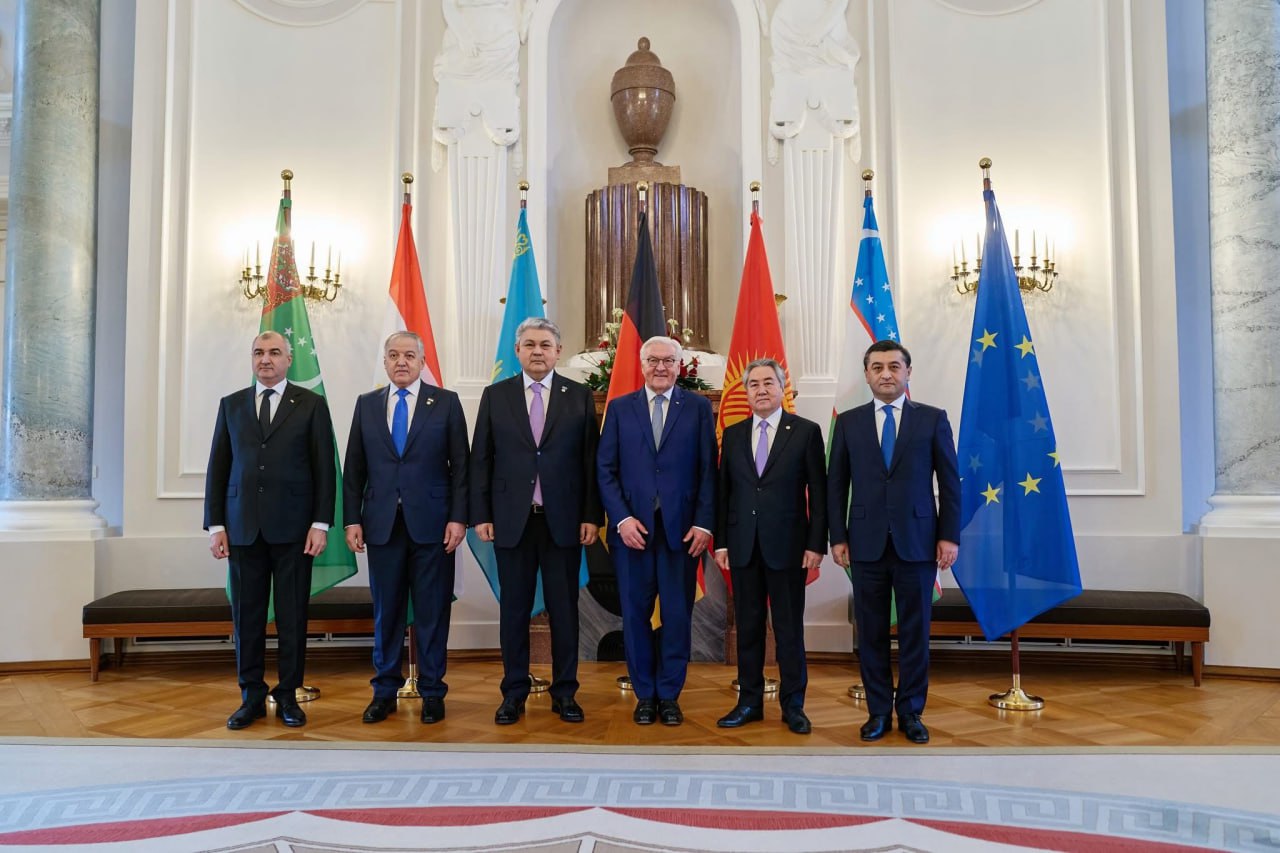
During the first C5+1 ministerial meeting in Berlin, an economic roundtable was also held. The foreign ministers of Central Asia were received by German President Frank-Walter Steinmeier.
Furthermore, Sirodjidin Muhriddin held talks with the EU Special Representative for Central Asia, Eduard Stiprais, and the German Foreign Minister, Johann Wadephul. They discussed the development of bilateral relations between Tajikistan and Germany in political, economic, investment, scientific, and cultural spheres, as well as within international and regional organizations.