
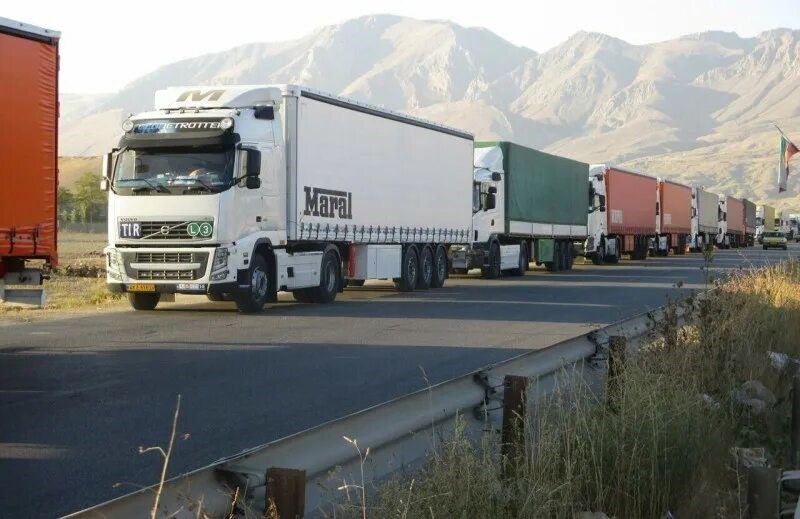
On March 3, Iran announced a temporary ban on the export of all food and agricultural products. The decision took effect immediately and will remain in place until further notice from the government.
This ban could significantly impact food supplies to Tajikistan, as Iran is one of the country’s key suppliers.
The export ban from Iran
The ban was implemented to prevent potential shortages and price increases of essential goods due to the ongoing conflict with the United States and Israel. The primary goal of the ban is to secure the domestic food supply and control inflation. Given Iran’s critical role in Tajikistan’s food imports, any disruption in these supplies could affect the country’s food security.
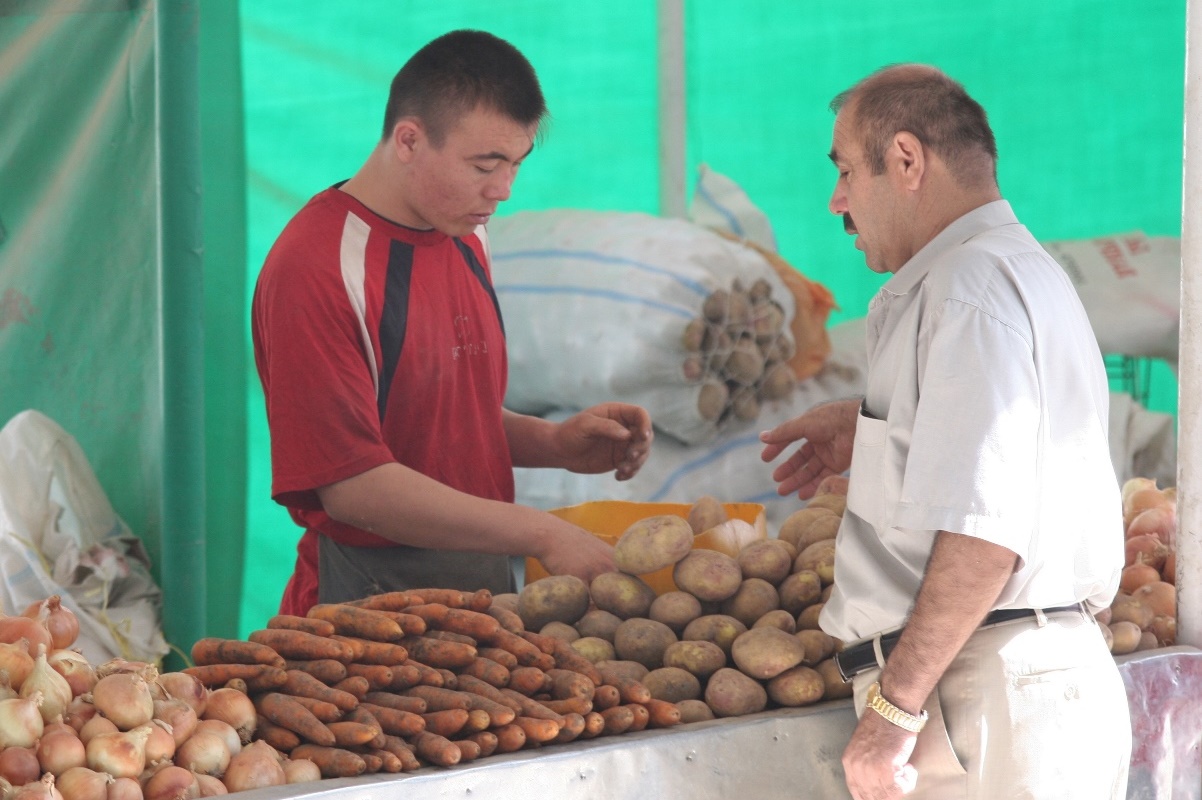
Iran is a major supplier of various food products, including dairy, fruits, vegetables, nuts, sugar, and spices.
In 2025, Tajikistan imported over $2 million worth of dairy products. Among the most common imports were condensed milk (302 tons), cream, whey (263 tons), butter (123 tons), and cheese.
Fruits and vegetables also make up a significant portion of Tajikistan’s imports. In 2025, the country received more than 2,600 tons of oranges and nearly 1,000 tons of watermelons. Other popular imports include apples (over 2,600 tons), kiwi (1,300 tons), tomatoes, and potatoes.
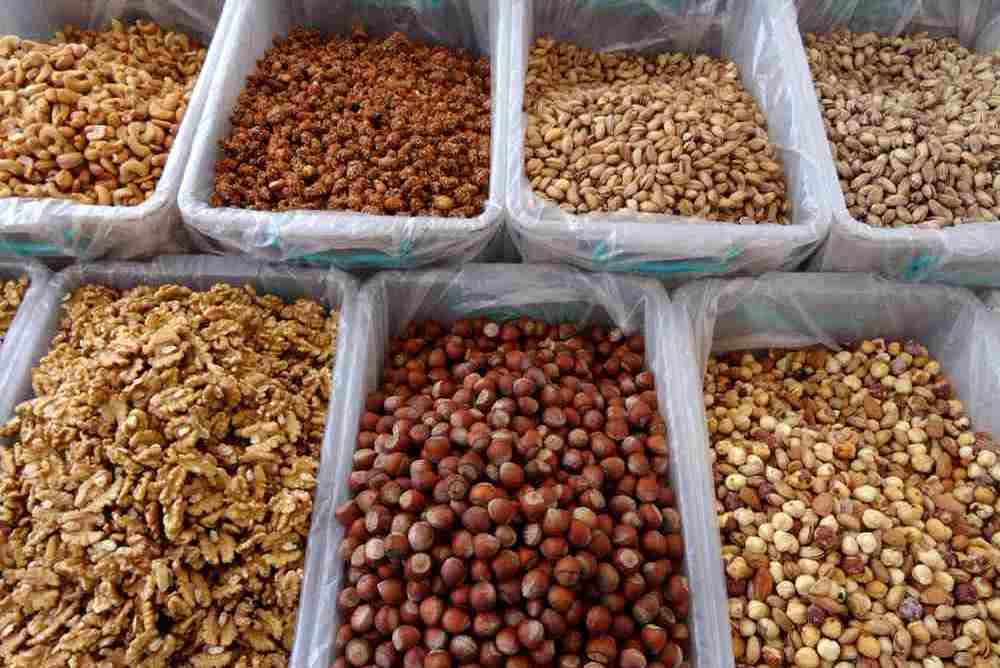
Additionally, Iran exports a range of nuts, including cashews (47 tons), walnuts, almonds, pistachios, and more. Tajikistan imported over 180 tons of nuts from Iran in 2025. Iran is also a key supplier of sugar and spices.
In 2025, Tajikistan imported over 3,300 tons of white sugar, the same amount of confectionery, as well as spices and tea.
Two-way trade between Tajikistan and Iran over the last 5 years
The bilateral trade between Tajikistan and Iran has grown significantly over the past five years. In 2025, the bilateral trade between them valued at $484 million, four times higher than in 2021, when it was only $121 million.
This highlights the substantial growth in economic ties between the two countries, with a 300% increase in trade turnover over the last five years. Food products account for over $26 million of the total trade volume, making up about 5% of the overall trade turnover between Tajikistan and Iran.
What’s next?
The ongoing U.S. and Israel war on Iran and Iran’s government’s decision to ban food exports could have serious consequences for Tajikistan. Several potential scenarios include increased food prices due to supply instability, logistical challenges such as closed trade routes, and higher transportation costs.
The government will likely need to explore alternative supply routes, such as through Uzbekistan or Kyrgyzstan, to mitigate disruptions. It will also be crucial to focus on developing domestic production to counteract any potential food shortages.
For now, Tajikistan may face rising prices on certain goods and instability in the food market.
