
Tajikistan has identified large breeding grounds for locusts, with the pest recorded across more than 120,000 hectares. To enhance the fight against these insects, authorities are expanding the use of drones for monitoring and treating affected areas.
The country is actively engaged in efforts to identify and eliminate locust outbreaks. According to the Ministry of Agriculture, in the 2025/2026 period, surveys have been conducted across 246,480 hectares, with locust breeding sites found on 120,555 hectares.
The ministry explains that locusts lay their eggs in dense sandy soil, about 4-5 centimeters deep, often in hard-to-reach areas. This complicates efforts to combat the pest. During the early stages of development, locusts gather in groups, making chemical treatments more effective. However, as they mature, they begin to move more actively, which makes eradication more difficult, as the adult locusts can cause significant damage to crops.
To improve control measures, the Ministry of Agriculture continues to implement modern technologies. In 2025, Tajikistan began using drones for the first time to treat infected areas. As Minister of Agriculture Qurbon Hakimzoda previously stated, drones allow for quicker coverage of large areas, especially in remote regions, reduce fuel and chemical usage, and lessen the environmental impact.
As part of the "Livestock and Pasture Development" project, the government has provided two drones, which are already being used to treat agricultural lands. The drone fleet is expanding, with eight additional drones purchased for monitoring and treating locust outbreak zones.
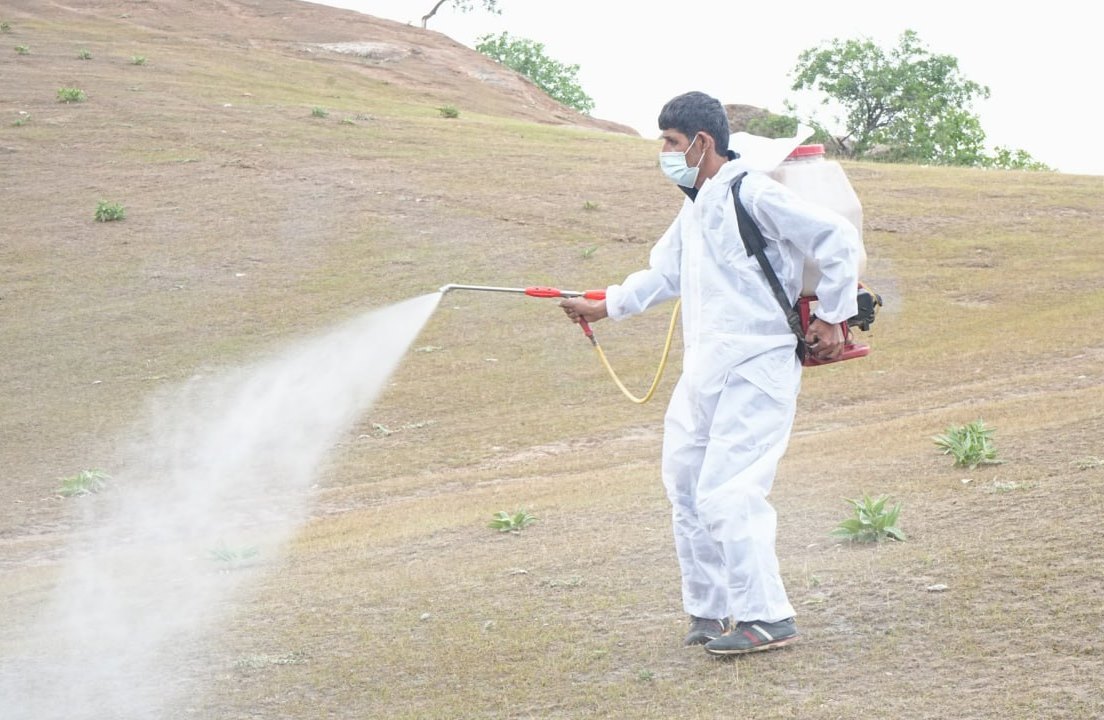
In addition to drones, experts have access to dozens of tractors, hundreds of manual and motorized sprayers, water tanks, and specialized machinery. The Ministry of Agriculture is considering further expanding drone use in the upcoming agricultural season.
The ministry emphasizes that timely identification and elimination of locust outbreaks is crucial for preserving the harvest and ensuring food security in Tajikistan in 2026.
