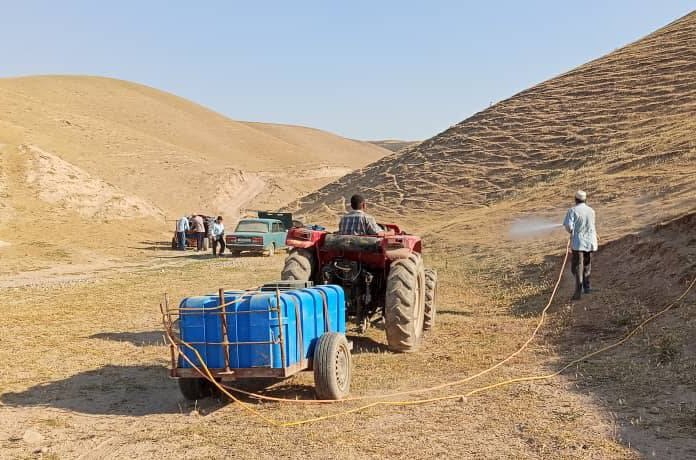
Tajikistan is launching the implementation of a CIS agreement on cooperation in preventing and combating locust infestations ahead of the agricultural season.
The document was approved by a government resolution dated February 26, 2026 (No. 60), signed by President Emomali Rahmon.
The agreement was signed on September 29, 2025, in Minsk during a meeting of the CIS Council of Heads of Government. It provides for cooperation among member states in phytosanitary monitoring, preventing locust migration, and coordinating response measures.
The main objective of the agreement is to prevent large-scale locust outbreaks, reduce risks to agricultural crops, and ensure the safety of the population and the environment during control operations.
The Ministry of Agriculture of Tajikistan, together with relevant agencies, has been tasked with taking the necessary steps to implement the agreement.
The Ministry of Foreign Affairs will notify the CIS Executive Committee upon completion of the domestic procedures required for the agreement to enter into force.
The agreement also involves regular phytosanitary surveys, development of digital monitoring systems, information exchange among CIS countries, forecasting of pest spread, and capacity building for specialists.
Meanwhile, active efforts are already underway in Tajikistan to detect and eliminate locust breeding sites. According to the Ministry of Agriculture, surveys conducted in 2025–2026 identified infestations across more than 120,000 hectares.
To improve efficiency, authorities have begun using unmanned aerial vehicles (drones), which allow for faster monitoring and treatment of hard-to-reach areas.
The Ministry of Agriculture emphasized that timely detection and elimination of locust outbreaks is critical for protecting harvests and ensuring the country’s food security.