



Tajikistan begins implementing CIS agreement on locust control

Tajikistan is launching the implementation of a CIS agreement on cooperation in preventing and combating locust infestations ahead of the agricultural season. The document was approved by a government resolution dated February 26, 2026 (No. 60), signed by President Emomali Rahmon. The agreement was signed on September 29, 2025, in Minsk during a meeting of […]

Asia-Plus

Tajikistan is launching the implementation of a CIS agreement on cooperation in preventing and combating locust infestations ahead of the agricultural season.

The document was approved by a government resolution dated February 26, 2026 (No. 60), signed by President Emomali Rahmon.

The agreement was signed on September 29, 2025, in Minsk during a meeting of the CIS Council of Heads of Government. It provides for cooperation among member states in phytosanitary monitoring, preventing locust migration, and coordinating response measures.

The main objective of the agreement is to prevent large-scale locust outbreaks, reduce risks to agricultural crops, and ensure the safety of the population and the environment during control operations.

The Ministry of Agriculture of Tajikistan, together with relevant agencies, has been tasked with taking the necessary steps to implement the agreement.

The Ministry of Foreign Affairs will notify the CIS Executive Committee upon completion of the domestic procedures required for the agreement to enter into force.

The agreement also involves regular phytosanitary surveys, development of digital monitoring systems, information exchange among CIS countries, forecasting of pest spread, and capacity building for specialists.

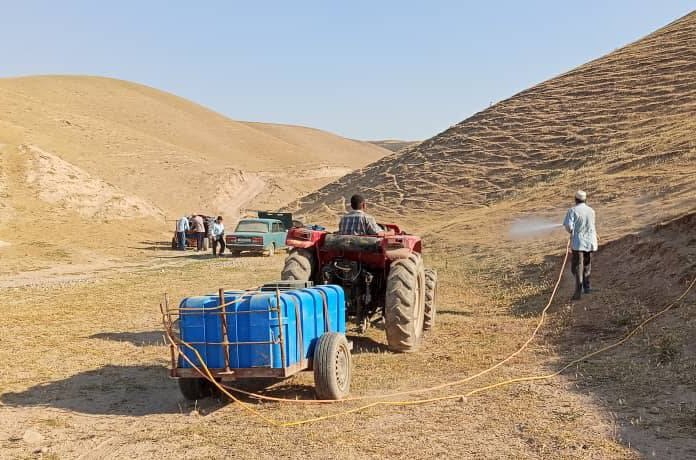
Meanwhile, active efforts are already underway in Tajikistan to detect and eliminate locust breeding sites. According to the Ministry of Agriculture, surveys conducted in 2025–2026 identified infestations across more than 120,000 hectares.

To improve efficiency, authorities have begun using unmanned aerial vehicles (drones), which allow for faster monitoring and treatment of hard-to-reach areas.

The Ministry of Agriculture emphasized that timely detection and elimination of locust outbreaks is critical for protecting harvests and ensuring the country’s food security.


Article translations:

Related Article

Оби зулол

Most Read

Join us on social media!

Aura

Recent Articles

Mudflows and dust storms expected in Tajikistan

Citizens are urged to protect themselves from dust.

Russia doubles temporary stay duration for truck drivers from CIS and Georgia

Tajik drivers will have their term increased from 90 to 180 days a year.

How a guide dog project could help people with visual impairments in Tajikistan

In Tajikistan, there is an enthusiast who can build such a school, but he urgently needs help, primarily financial.

Wildberries opened access to the platform for all sellers from Tajikistan

Now local brands, manufacturers, and individual entrepreneurs can enter the largest online platform and expand their sales market.

CMWP Uzbekistan: The boutique hotel market in Tajikistan shows the fastest growth in the region

Such hotels in the republic offer their guests a high level of comfort and convenience.

Emomali Rahmon signs decree on increasing salaries and paying bonuses to IT sector workers

The document provides for the creation of a new incentive system for specialists in the field of information technology.

Not advertising, but influence: what was discussed at IMPACT Creative Night and why businesses need meaning today

Today, audiences trust direct advertising less and less, which means brands have to compete not for attention, but for trust and a place in the agenda.

Russia extends the experiment on collecting biometrics from foreigners

The decision was justified by the necessity of gradually modernizing all border crossing points.

“Convenient, affordable, and cheap”: Dushanbe residents speak out on raids against shared taxis

They say that late at night buses and trolleybuses disappear from the streets, so cheap route taxis remain the only way for many to get home.