Russia introduces strict regulation of the crypto market. This could affect not only the country itself but the entire region.
What is changing and why is it important for Tajikistan?
Starting July 1, 2026, Russia seriously tackles cryptocurrencies. A law comes into effect aimed at bringing order to the market, which until now has been fraught with many gray schemes and minimal control.
The main goal is to stop “ignoring” the crypto market and bring it under state rules. Authorities openly say: it is about combating fraud, money laundering, and tax evasion, writes the National Banking Journal.
Under the new rules, there will be no more free crypto-wildness. Only those who have received permission will be able to operate. Trading is to be done through licensed exchanges, assets stored through special depositories, and exchanges made through companies from the official registry. Everything else is gradually being squeezed out of the market.
What exactly is changing?
Cryptocurrency is recognized as property — like stocks or other assets. This provides protection for owners but does not make it full-fledged money: paying with crypto within Russia is still not allowed. However, it is permitted to use it in foreign trade.
Not every cryptocurrency will be listed on exchanges. Essentially, it is only about the largest ones — like Bitcoin and Ether. Smaller projects are likely to remain on the sidelines.
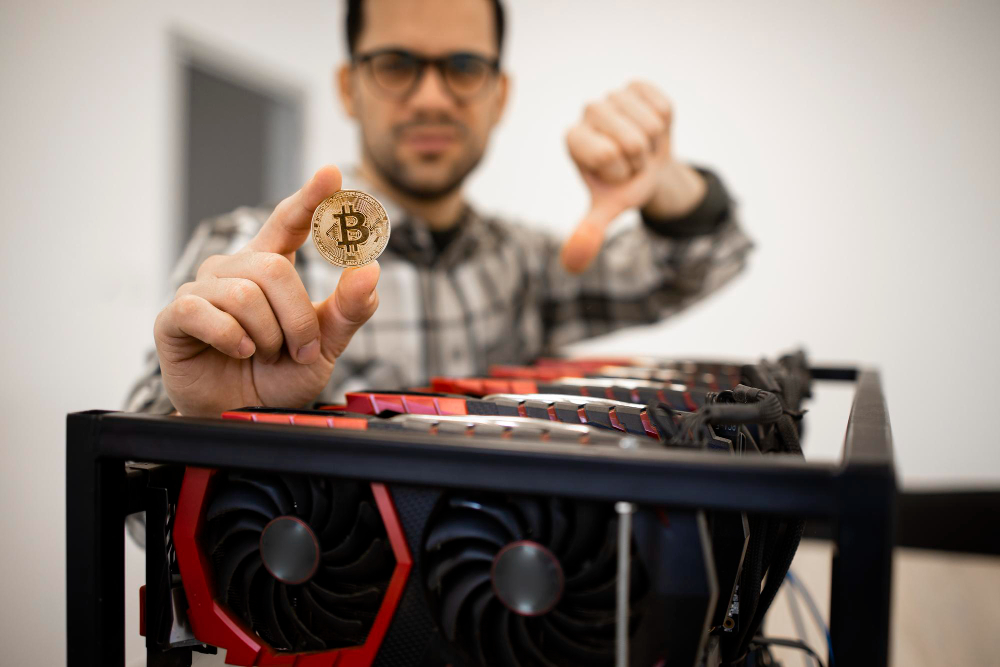
Mining will be legalized but with conditions: registration is required, adherence to electricity limits, and no criminal record for certain articles. Illegal mining will result in criminal liability. Tax control is also being strengthened: Russians will be required to report foreign crypto wallets.
Overall, the model becomes simple: cryptocurrency is allowed, but only within strict rules and under state control.
Why is this important for Tajikistan?
The Russian cryptocurrency market is one of the largest in the region, and any changes in its regulation inevitably impact neighboring countries.
This is especially important for Tajikistan. A significant portion of its citizens work in Russia and send money home. If cryptocurrencies are used as an alternative method of remittance, new restrictions could affect these flows.
Moreover, with stricter rules, some operations might move to countries with more lenient regulations.
Cryptocurrencies in Tajikistan: without rules, but with demand
In Tajikistan, cryptocurrencies remain in a “gray zone,” with no corresponding legislation in place.
The National Bank warns about the risks and does not recognize cryptocurrencies as a means of payment. Banks are prohibited from working with them, so there are no official mechanisms for buying and selling within the country.
Nevertheless, cryptocurrencies are used. People turn to foreign platforms and informal channels — especially for remittances. This can be more convenient but involves high risks.
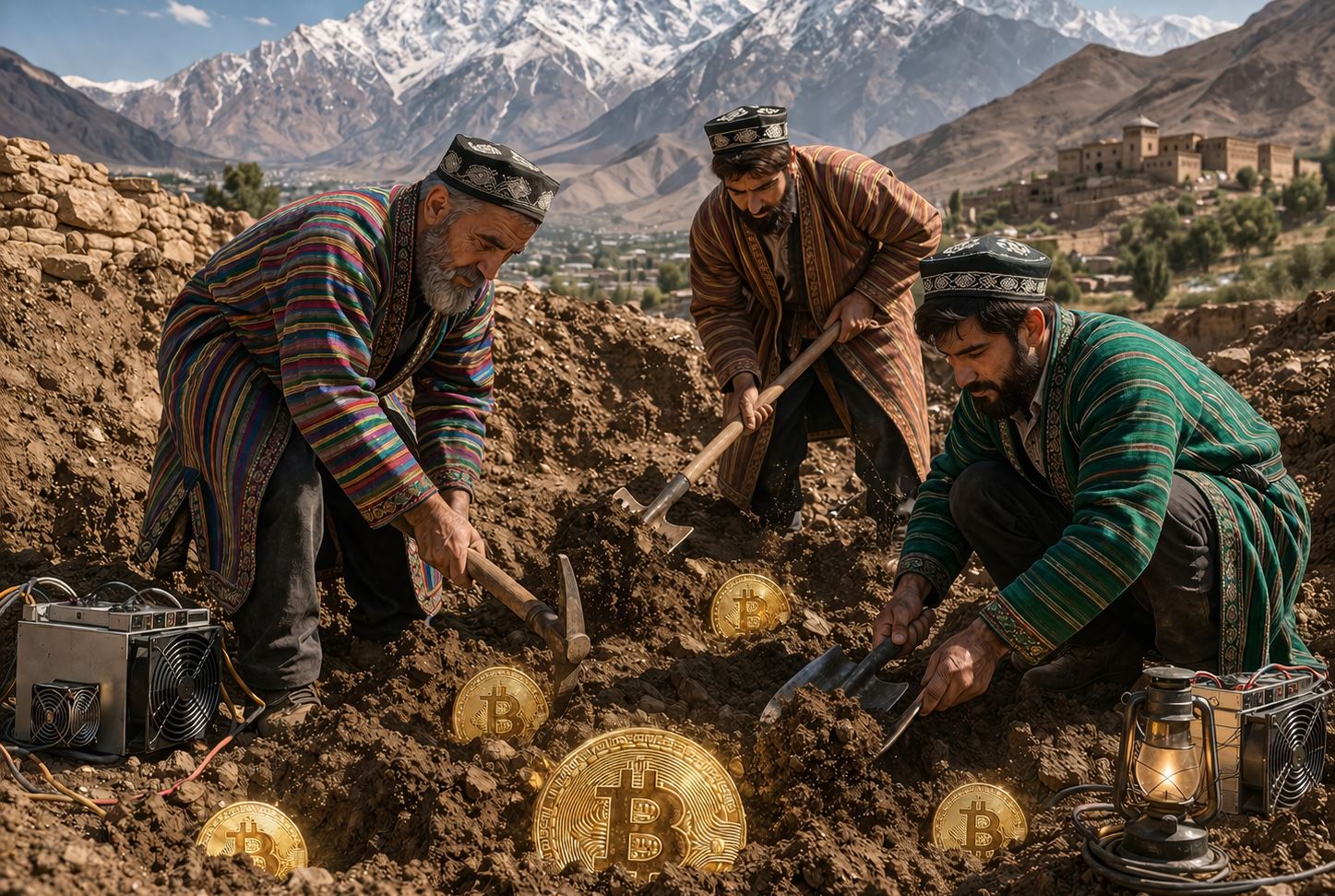
Regarding mining (cryptocurrency extraction), there is a certain potential: the republic has significant energy resources (in the summer period), which theoretically makes it attractive for this.
But in practice, the lack of regulation and electricity restrictions make this sector unstable. There are no clear conditions for business, and therefore, no certainty for investments.
Ignoring the crypto market given global trends is becoming increasingly difficult, and it seems that the authorities of Tajikistan will have to legitimize this market.

What is important to know about cryptocurrency?
Cryptocurrency is not money in the traditional sense, but a digital asset similar to gold or stocks: its price can rise and fall. It is not an official currency, and its value is determined by supply and demand.
Unlike regular money, which is issued and regulated by the state, cryptocurrency operates on blockchain technology and has no single management center. Therefore, it does not guarantee stability and is considered a high-risk asset.
Purchasing cryptocurrency is done at one’s own risk — there is no state protection like there is for bank deposits. At the same time, crypto is not something negative but a new technology. It is used for international transfers and investments, but it does not replace national currencies, which remain under state control.
Among its advantages are independence from countries and banks, the ability for quick transfers without intermediaries, accessibility via the internet, and transaction transparency.
The main point: cryptocurrency is a tool with the potential for high returns and simultaneously high risks.

How cryptocurrencies are regulated in different countries worldwide
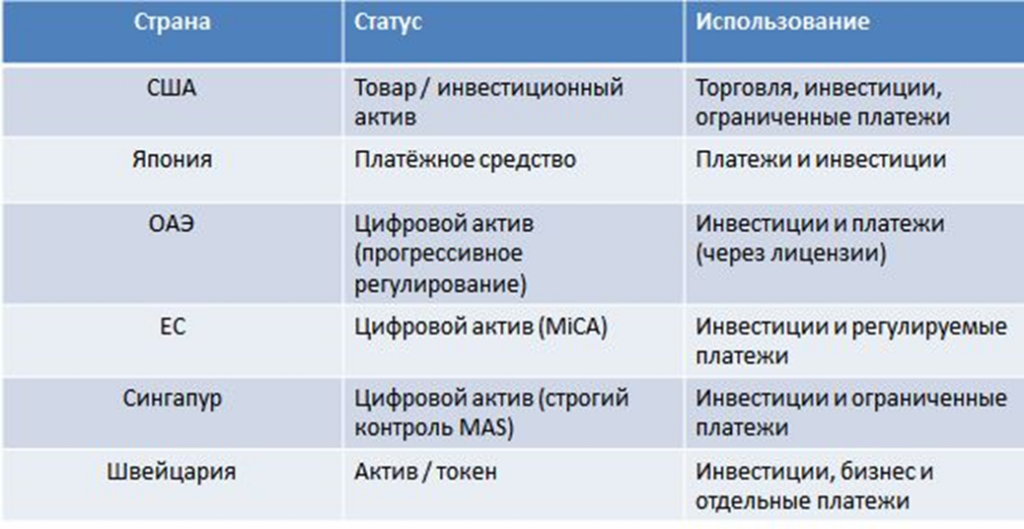
Countries’ approaches vary:
USA (commodity / asset)
In the USA, cryptocurrency is mainly considered a commodity or investment asset and is used primarily for storing value and trading, with limited application in payments.
Japan (means of payment)
In Japan, cryptocurrency is officially recognized as a means of payment and can be legally used for settlements alongside investment applications.
UAE (progressive regulation)
In the UAE, cryptocurrency is regulated as a digital asset and can be used as an investment tool and means of payment within a licensed and controlled environment.
EU
In the EU, cryptocurrency is regulated as a digital asset with unified rules (MiCA) and can be used for investments and limited payments with strict compliance to regulatory requirements.
Singapore (controlled payments)
In Singapore, cryptocurrency is regulated as a digital asset, allowed for investments and limited payments under strict regulatory control (MAS).
Switzerland (crypto-friendly model)
In Switzerland, cryptocurrency is regulated as an asset (token) with clear legal classification and is widely used for investments, business, and certain payments.