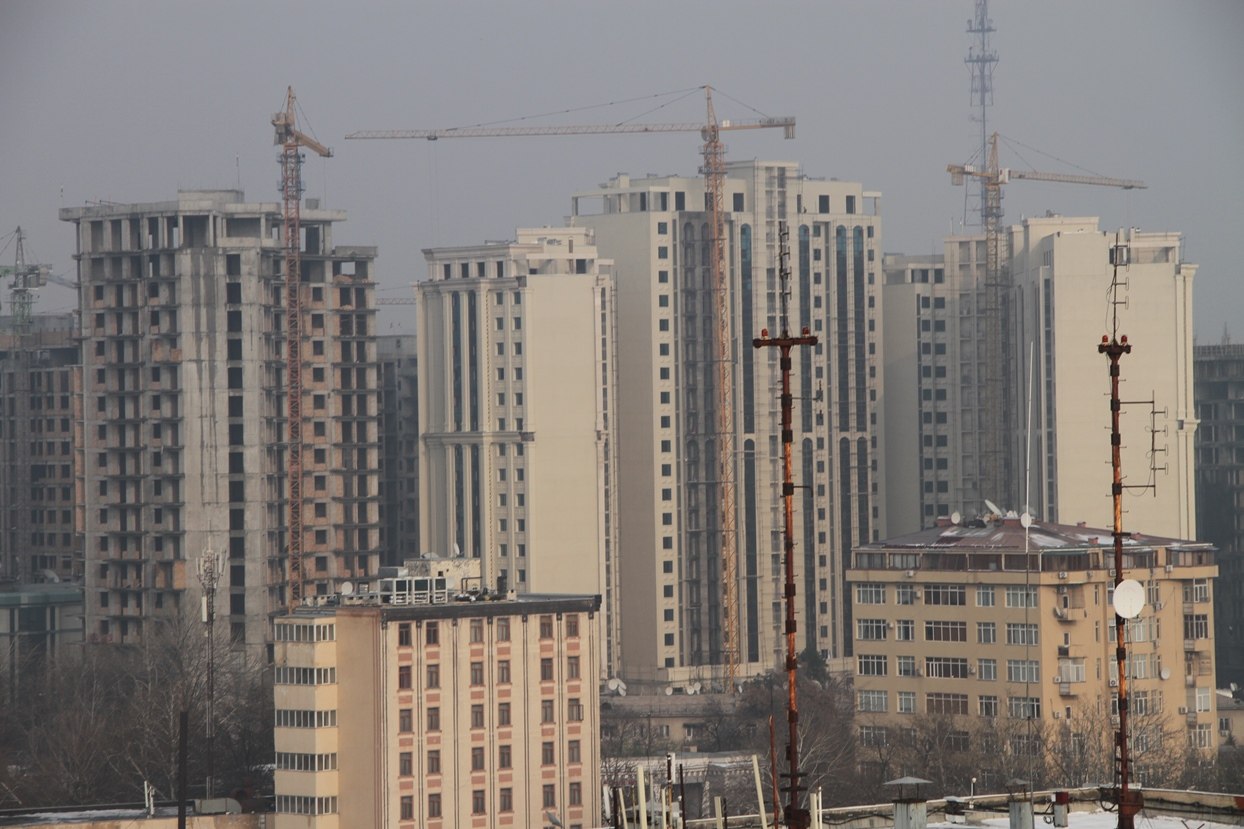
Tajikistan refutes the data from the international platform IQAir, according to which the republic is among the countries with the most polluted air in the world.
Director of the Agency for Hydrometeorology, Abdullo Kurbonzoda, stated in a meeting with journalists that the assessments presented in the “World Air Quality Report for 2025” do not reflect the real situation in the country.
According to the IQAir report, in 2025 Tajikistan ranked third in the world in terms of air pollution with a PM2.5 level of 57.3 µg/m³. This is 11.4 times higher than the level recommended by the World Health Organization.
In 2024, according to IQAir, Tajikistan was ranked 6th in terms of air quality, while in 2023, data specifically for Dushanbe placed the capital in 4th place.
The issue of air quality in Tajikistan, particularly in its capital, has remained relevant for several years. International monitoring services, the Committee for Emergency Situations and Civil Defense, and the city’s own residents regularly report on pollution. Media publications over recent years point to this as well.
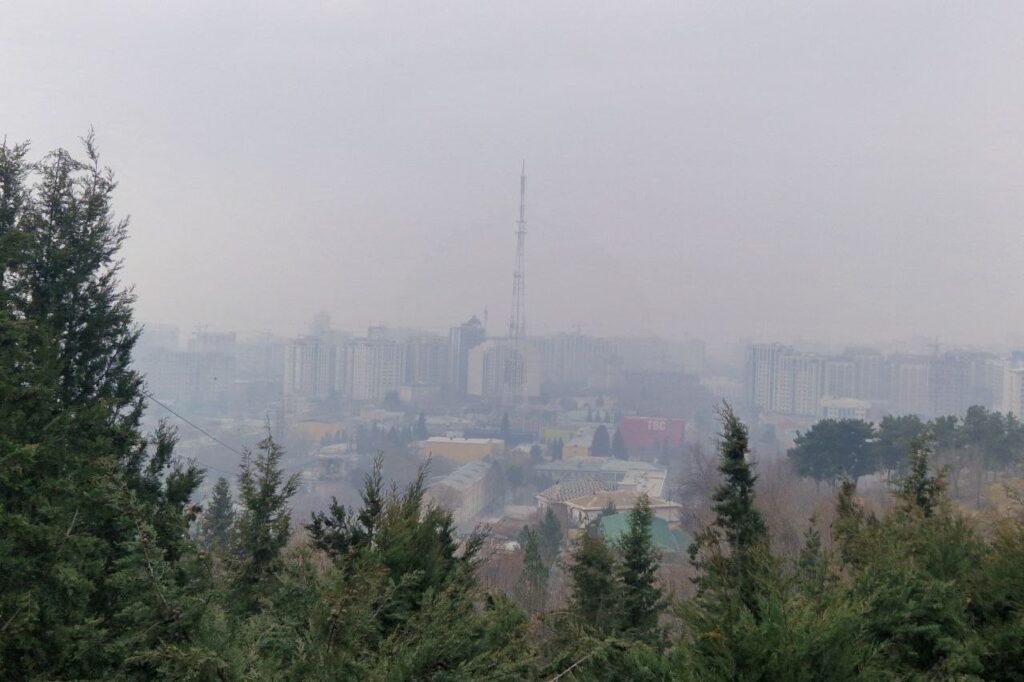
Residents of the capital complain about black dust on windows and cars, as well as reduced visibility — in previous years, the mountains surrounding Dushanbe could be seen from any point in the capital, but now they are increasingly obscured by smog. This situation is observed even outside the periods of dust storms.
Doctors and allergists previously noted that during air pollution, the number of allergic and respiratory diseases, including bronchial asthma and allergic tracheobronchitis, increases.
The main sources of pollution in Tajikistan: dust and degraded soil, heating of the private sector with solid fuels, energy, and transport.
Tajikistan’s Hydromet: IQAir data is questionable
The authorities of Tajikistan question the conclusions of the IQAir report, pointing to the discrepancy between the presented data and the actually recorded air quality indicators in the country. Director of the Agency for Hydrometeorology, Abdullo Kurbonzoda, emphasized on April 3 at a meeting with journalists that the assessments used in the report do not reflect an accurate picture.
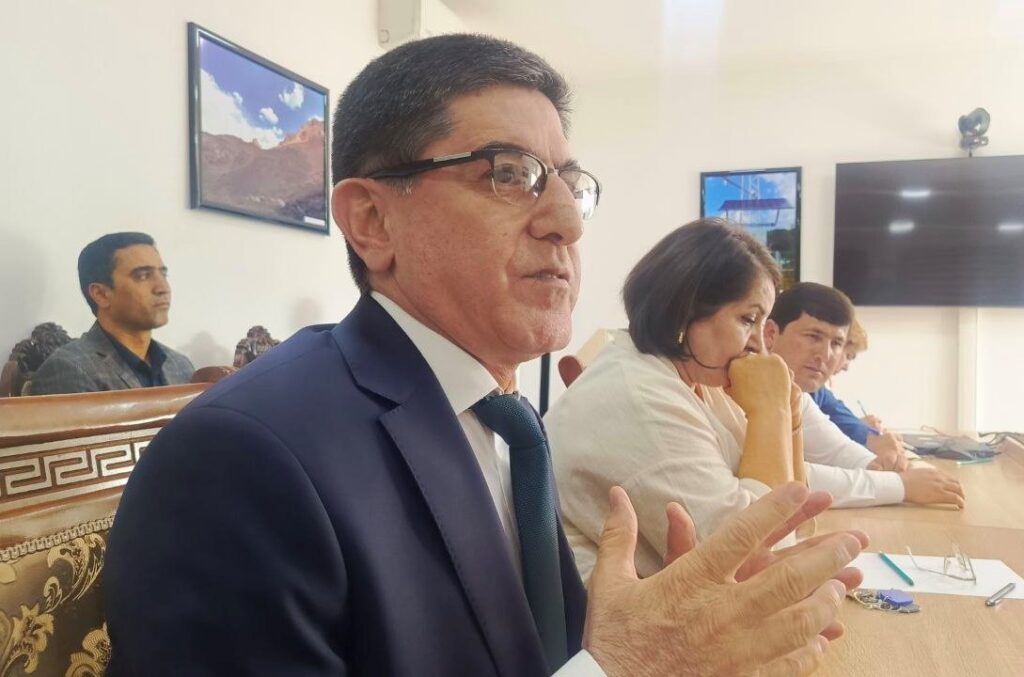
“When it is written about our republic that the air is completely polluted, it is wrong,” he stated.
In the official explanation of the Agency, it is also noted that such assessments “should be considered in a balanced manner, with scientific validity and a professional approach.” The agency emphasizes that the ranking is based on the annual average concentration of fine particulate matter PM2.5 and “does not fully reflect all the factors affecting atmospheric air quality in the country.”
Kurbonzoda also drew attention to significant fluctuations in air quality indicators over time. According to him, after the precipitation was restored, the situation improved significantly.
“Since December 4, 2025, there have been no dust storms in Tajikistan… In the last four months, our air has been very clean,” he stated.
Kurbonzoda says that given the natural features, Tajikistan is not one of the countries with developed industry and constant sources of severe pollution.
“Tajikistan is 93% mountains; we do not have factories and plants that heavily pollute the air. Where, then, do such data come from?” he questions.
However, observations by residents and independent ecologists do not entirely confirm this assessment. Even in the absence of dust storms, Dushanbe experiences persistent pollution — in the form of smog, the smell of burning, and the accumulation of fine dust.
Such conditions may indicate a high content of suspended particles in the air, even if such phenomena are not officially classified as a dust storm.
How many sensors and where are they located?
In the official commentary, Hydromet also indicates that the country’s position in the international ranking depends “not only on the real environmental condition but also on the completeness, density, and coverage of the air quality monitoring network.” According to the agency, drawing generalized conclusions for the whole country without considering these factors is incorrect.
Separate criticism concerns the methods of measurement and data assessment. According to Kurbonzoda, using a limited number of sensors does not allow for conclusions about the air condition throughout the city or country.
“Placing a sensor next to a construction site and claiming that all of Dushanbe’s air is polluted is wrong… Measurement in one place does not mean that the air in general is polluted,” he emphasized.
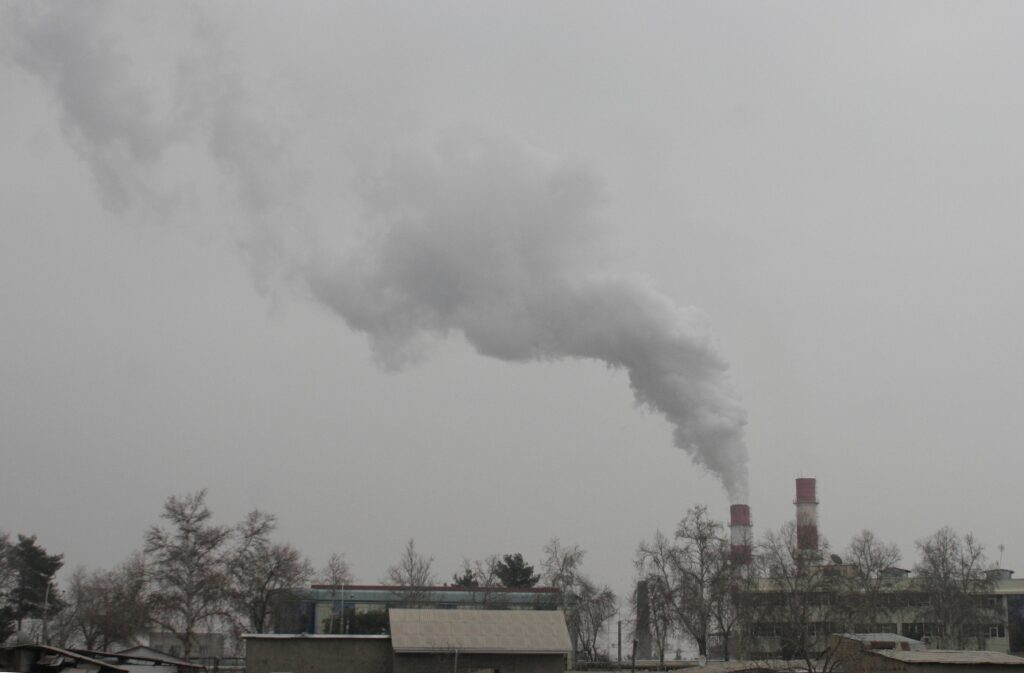
Abdullo Kurbonzoda explained that IQAir employees assessed air pollution levels in Tajikistan based on data from two devices installed in Dushanbe — at the “Textilmash” plant and the Dushanbe CHP.
“There are certain rules for measurements: the device measuring air quality should be located at a certain distance from roads and industrial facilities. Setting two devices right in the smoke and evaluating Tajikistan’s air quality based on this is a mistake,” he explained once again.
Meanwhile, according to the international platform IQAir, they collect information from 4–6 stations in Dushanbe, including diplomatic missions and private sensors.
Hydromet: IQAir data does not consider features
According to Hydromet representatives, international platforms may also insufficiently take into account the geographical and climatic features of the country — mountainous terrain, seasonality, dust transfer.
In the official explanation of the Agency, this is formulated as follows:
“The specified rating is compiled based on the average annual concentration of fine particles measuring PM2.5 and does not fully reflect all the factors influencing atmospheric air quality in the country.”
Meanwhile, IQAir claims that such factors are considered through weather data, satellite observations, and processing algorithms.
Thus, the disagreements are not so much about the facts as about their interpretation and the methodology used for assessment, according to Hydromet.
IQAir researchers claim that their data undergo processing: they are compared with other stations, weather conditions, and historical values, reducing the impact of local emissions.
And how does Tajikistan itself check the air?
In Tajikistan, air quality is monitored through a monitoring system managed by the Agency for Hydrometeorology.
How exactly the atmosphere is checked was explained at a meeting with journalists by the head of the Regional Environmental Monitoring Center, Sangin Samiev.
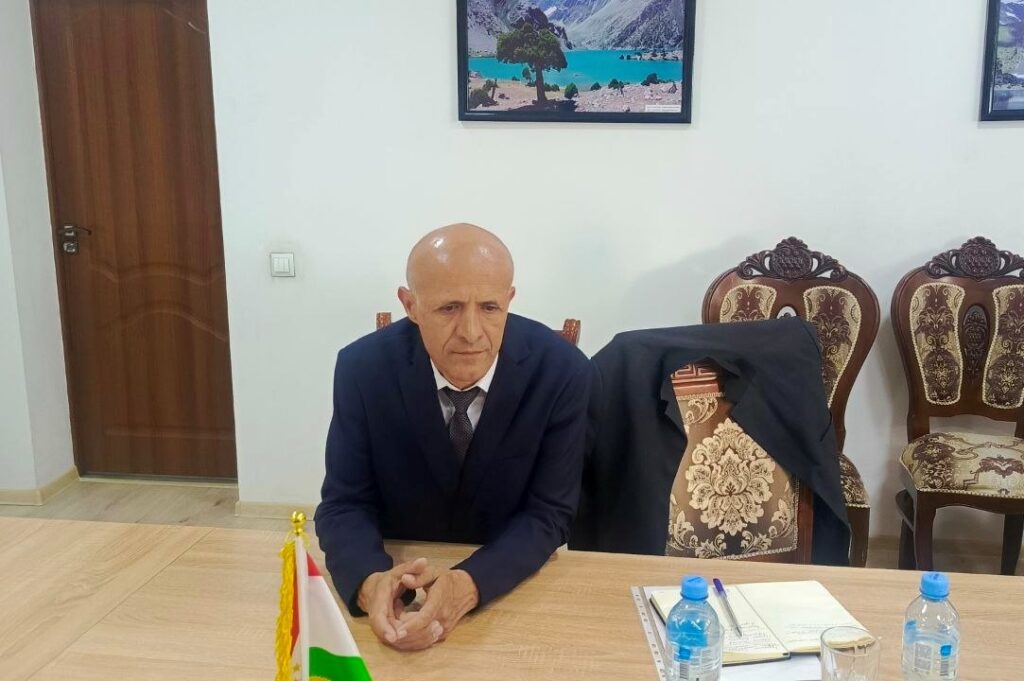
Currently, the observation network covers four regions of the country: Dushanbe, Bokhtar, Khujand, and Tursunzade.
In these cities, stationary posts operate where specialists regularly measure the concentration of major pollutants — suspended particles (PM2.5 and PM10), nitrogen oxides, sulfur dioxide, carbon monoxide, formaldehyde, and other compounds.
In addition to stationary points, the country uses modern automatic monitoring stations that conduct round-the-clock observations.
Since November 2016, an automatic air quality monitoring station has been operational at the Agency, created in collaboration with the Finnish Meteorological Institute (a research agency in Finland — Ed. note). This station provides round-the-clock monitoring of the atmosphere in Dushanbe.
All together, they record not only the chemical composition of the air but also meteorological parameters: temperature, humidity, pressure, wind direction, and speed. This allows for a more accurate assessment of the atmosphere and predicting its changes.
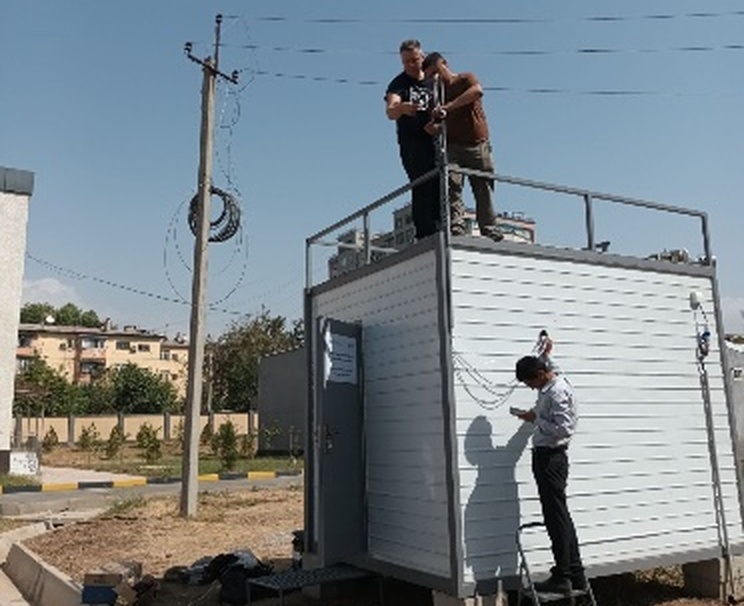
Route monitoring also plays a significant role. For this, mobile laboratories equipped with special equipment are used. They allow for measurements in various areas, including places with potentially high levels of pollution.
During such studies, the concentration of nitrogen oxides, ammonia, hydrogen sulfide, hydrocarbons, methane, as well as fine particles is measured.
Additionally, specialists collect air samples for laboratory analysis, use portable devices, and even unmanned aerial vehicles (drones) to assess air quality.

In parallel, precipitation — rain and snow — is analyzed, which also helps to determine the pollution level. The collected data is systematized and processed in information departments.
Based on observations, environmental bulletins are regularly prepared, which are sent to relevant agencies and communicated to the public, says Sangin Samiev.
According to him, more than three thousand air quality measurements are conducted in Dushanbe alone per quarter, and more than five thousand observations are made across the country.
At the same time, monitoring data is not published in real-time on any single open platform. There is a Hydromet website, where, according to specialists, air pollution levels in the cities of the republic are posted every morning. However, the information is presented in a way that an ordinary person cannot understand whether the air is dirty in their city today.
Despite the disagreements, the combination of data from international platforms, observations, and expert assessments shows that the level of air pollution in Dushanbe regularly exceeds WHO recommendations.
For example, not only IQAir rankings indicate that the air in Dushanbe remains dirty. According to a World Bank study, the average annual concentration of PM2.5 in Dushanbe in 2020–2022 was 54.6 µg/m³, and in winter it could reach 152–434 µg/m³.
According to the WB, to significantly improve air quality in Dushanbe, about $111 million in investments is needed. These funds are necessary for heating modernization, reducing solid fuel use, developing public transport, and expanding the air quality monitoring system.
The Agency for Hydrometeorology emphasizes that rankings cannot be ignored, but it is also incorrect to perceive them as a completely exhaustive assessment of air quality across the Republic of Tajikistan.
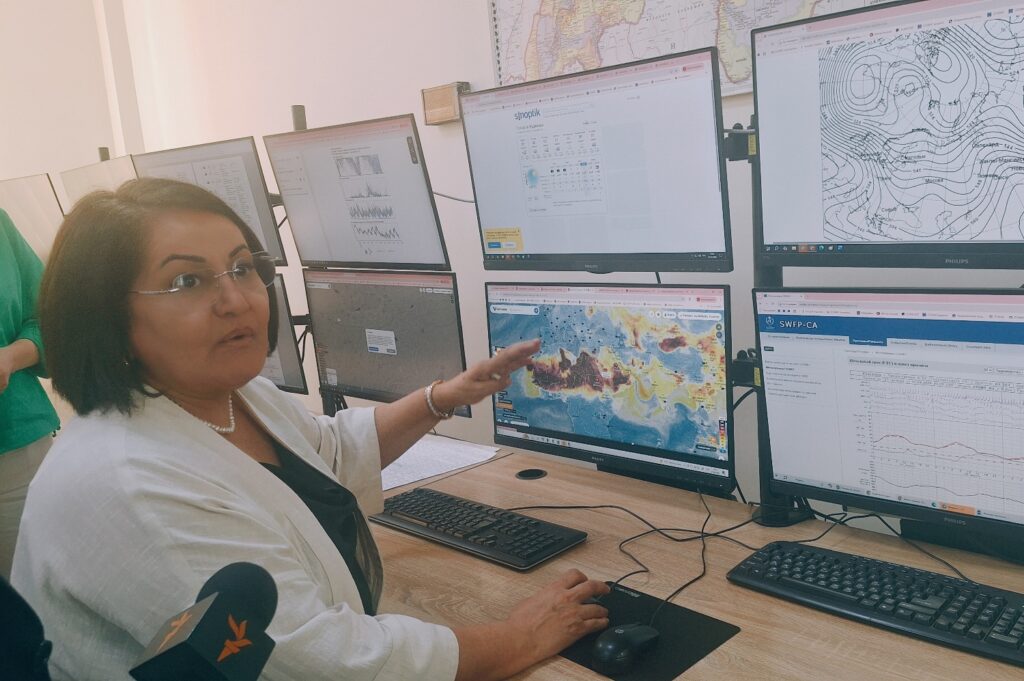
The differences primarily relate to assessment methods rather than the existence of the problem itself, note Hydromet specialists.
“This ranking (IQAir) indicates a serious problem with PM2.5 particles, but for accurate conclusions, extended monitoring, comparison of international data with national observations, and analysis of pollution sources are necessary. Such an approach can be objective, professional, and in line with the country’s interests,” Tajik specialists emphasize once again.
And environmentalist Timur Idrisov believes that “it is necessary not only to expand the observation network but also to radically revise approaches to urban planning, energy efficiency, and emissions control. Without this, even the most modern air quality data will not help solve the problem.”