Dear readers and subscribers! Asia-Plus News Agency congratulates you on International Navrouz Holiday! Let this beautiful spring holiday bring you success, love and happiness!
Home Blog
Eid al-Fitr greetings
Dear readers and subscribers, Eid Mubarak! May this blessed occasion bring peace, happiness, and prosperity to you and your loved ones.
Russian ruble weakens against the Tajik national currency and major global currencies
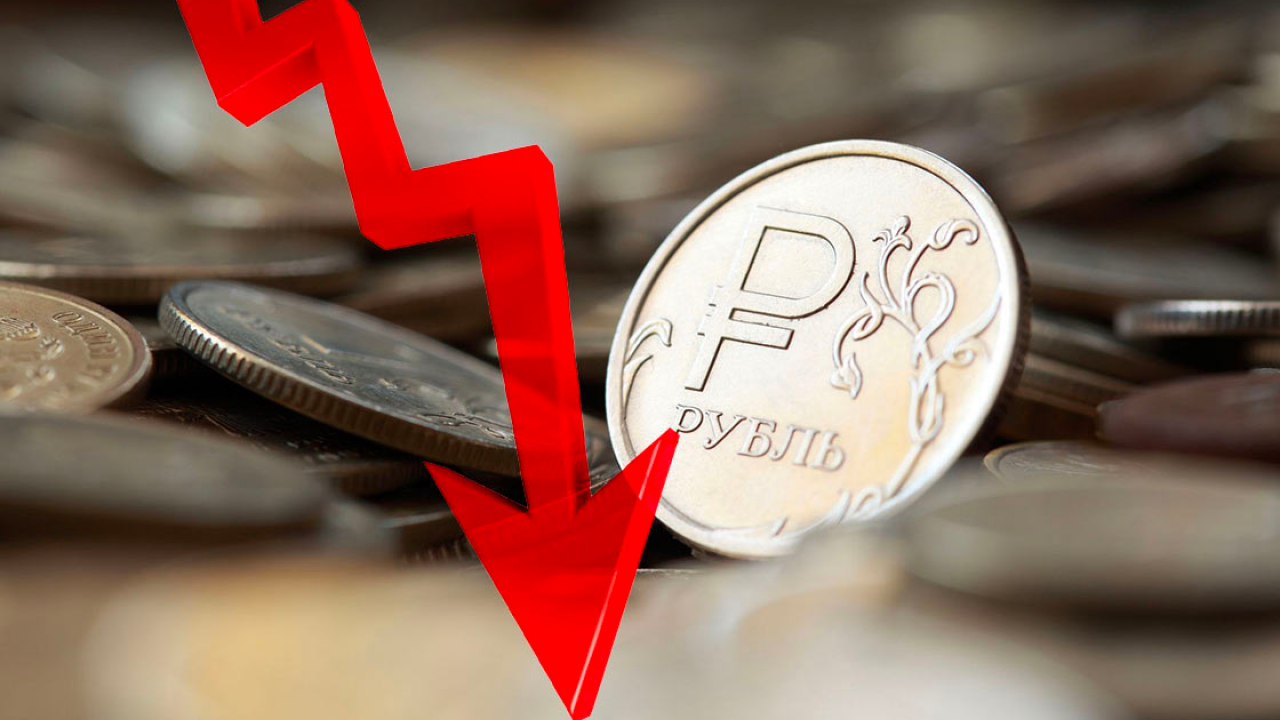
In recent weeks, the Russian ruble has experienced a significant depreciation against both the Tajik national currency, the somoni, and major global reserve currencies.
The official exchange rate, set daily by the National Bank of Tajikistan (NBT), fell by almost 5.0%, from 1000 rubles per 121.5 somoni on March 13 to 115.3 somoni on March 19.
The ruble's gradual devaluation began following the U.S.-Israel war on Iran on February 28. Since then, the Russian currency has depreciated by 6.4% against the somoni.
During the period from February 28 to March 19, the somoni strengthened by 1.2% against the euro, rising from 11.22 somoni per 1.00 euro on February 28 to 11.08 somoni on March 19.
However, the U.S. dollar appreciated by 1.0% against the somoni, increasing from 9.51 somoni per dollar on February 28 to 9.60 somoni on March 19.
The weakening ruble has a negative impact on the income of families of Tajik migrant workers who rely on money transfers from them from Russia. More than 90% of these transfers are made in rubles.
According to the NBT’s directive, since 2016, money transfers in rubles are paid out to recipients in Tajikistan exclusively in the national currency, the somoni. Therefore, the depreciation of the ruble means a decrease in the purchasing power of ruble transfers. Even if a migrant sends the same amount in rubles, their family in Tajikistan will receive fewer somoni, which limits their financial capacity to cover daily expenses.
What is happening to the ruble?
Since the beginning of March, the ruble has depreciated by 7.8% against the dollar, according to Russia’s Central Bank. On March 1, 1 USD was equivalent to 77.27 rubles, while on March 19, the exchange rate has risen to 1:83.13.
Russian experts attribute the ruble's decline to geopolitical tensions and economic challenges, particularly the ongoing conflicts involving the U.S., Israel, Iran, Russia, and Ukraine. The expert’s note that the supply of foreign currency in Russia has significantly decreased, increasing pressure on the ruble.
It is expected that the dollar will continue to appreciate throughout the spring due to the gradual reduction in Russia's key interest rate, a decrease in foreign currency sales by Russian exporters, and the moderate recovery of domestic imports, which in turn will raise the demand for dollars.
Key reasons for the ruble's depreciation
1. Reduced demand for rubles and increased demand for dollars — Investors and market participants tend to move towards "safe-haven" currencies like the dollar and euro during periods of uncertainty, such as geopolitical risks or anticipated economic troubles. This increases demand for these currencies and weakens the ruble.
2. Reduced foreign currency supply — When exporting companies sell less of their foreign currency earnings (due to a drop in exports or difficulties repatriating funds), the supply of dollars and euros on the market decreases. This creates a currency shortage, making the ruble less attractive.
3. Expectations of reduction in Russia’s key interest rate — A potential decrease in Russia's key interest rate leads to lower yields on ruble-denominated assets, making the ruble less appealing to investors. This can result in capital outflows into foreign currencies, intensifying pressure on the ruble.
4. Geopolitical and external economic factors — Periods of uncertainty, such as concerns about sanctions, external trade, or energy prices, cause investors to reduce positions in riskier currencies, including the ruble. This further weakens the ruble.
5. Long-term vulnerability of the ruble — Although the ruble has recently faced significant pressure, it remains highly sensitive to external economic factors, such as sanctions, export revenues, and global oil and gas prices. These factors could amplify the ruble’s weakening trend, especially in times of crisis expectations.
The ongoing challenges facing the ruble highlight the broader vulnerability of the Russian economy to both internal and external pressures, including geopolitical conflicts and global economic trends.
Over 2,500 participants expected at Water Conference in Dushanbe
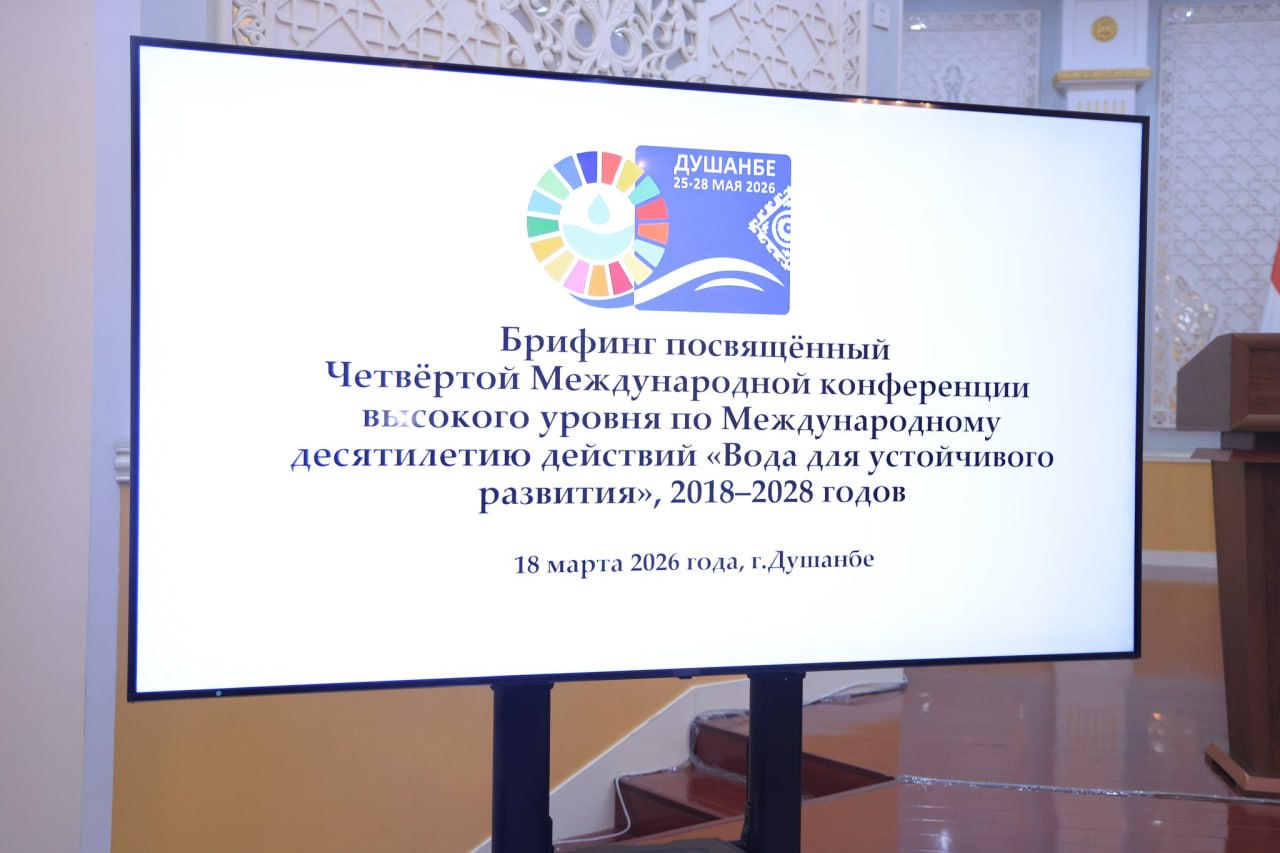
The Fourth High-Level International Conference on the International Decade for Action “Water for Sustainable Development” 2018–2028 will be held in Dushanbe from May 25–28, 2026. Hosted by the Government of Tajikistan and the UN, the event is set to attract over 2,500 participants from 31 countries, along with representatives from 33 international organizations and financial institutions.
At a briefing held in Dushanbe on March 18, Tajikistan’s Deputy Minister of Foreign Affairs, Sanoi Boyzoda, emphasized the global importance of addressing water resource issues, highlighting that "billions of people still lack access to safe drinking water and sanitation." He also pointed out that "climate change, population growth, and the risks of natural disasters are placing unprecedented pressure on water resources," making the conference’s theme highly relevant.
Boyzoda further noted that Tajikistan, as a key center for international water dialogue, continues to actively contribute to shaping global solutions in this area, underlining the country’s role in achieving the Sustainable Development Goals, particularly concerning water resources.
Rustam Abdulloyev, Head of the Energy Policy Department at the Ministry of Foreign Affairs of Tajikistan, presented the conference's program during the briefing.
One of the key topics for discussion will be transboundary cooperation in water resource management. The conference will explore experiences and approaches used for joint management of water systems in countries that share rivers and bodies of water. Special attention will be given to resolving water disputes and finding solutions for the fair and effective distribution of water resources.
Another significant focus of the forum will be innovations in the water sector. Participants will examine cutting-edge technologies and solutions that can help increase water-use efficiency, improve water quality, and contribute to the sustainable use of water resources. This will include both new water purification technologies and methods to optimize water supply in the context of growing populations and climate change.
On May 25, the Asian-Pacific Regional Preparatory Meeting, organized by ESCAP, will kick off, followed by a cultural program for participants in the evening.
The official opening ceremony, international exhibition, plenary sessions, and thematic discussions focusing on continuity in water actions and cooperation at various levels will take place on May 26. An official reception hosted by the Government of Tajikistan will be held in the evening.
On May 27, participants will continue with plenary sessions, as well as informal consultations on water resource issues until 2028 and discussions on the "Water Resources Agenda Beyond 2030." The conference will conclude with a press conference at the end of the day.
The final day, May 28, will feature field visits and excursions, where participants will have the opportunity to explore Tajikistan’s experience in water resource management. These activities will complement the discussions and provide valuable insights into the practical aspects of sustainable water use.
Organizers believe the conference in Dushanbe will continue Tajikistan’s tradition as an important global forum for water issues, contributing to the acceleration of global efforts to solve challenges related to water supply, conservation, and sustainable development.
BARQ becomes new IT Park Dushanbe resident, launches power bank rental service

A common problem for many city dwellers: a dead phone battery with no access to communication, maps, or important apps like banking services. The team behind BARQ is tackling this issue by creating a convenient urban service to keep people charged on the go.
BARQ is a power bank rental service designed to make it easy to grab a portable charger nearby, use it while on the move, and return it at a convenient location. The project is being developed as a high-tech urban product with a clear user experience, addressing the real needs of modern city residents.
Recently, BARQ achieved a significant milestone by becoming a resident of IT Park Dushanbe. This status marks an important step, validating the project’s potential as a promising technological service for the city.
 ИЗОБРАЖЕНИЕ
The official launch of BARQ is planned for April. The first three months will focus on developing the Minimum Viable Product (MVP) — a version of the service with the core features necessary for testing. During this phase, the team plans to test user scenarios, analyze key metrics, identify any issues, refine the service, and optimize operational processes. This approach will ensure the service’s effectiveness and help make an informed decision about transitioning to a full-scale launch.
Initially, 26 stations will be set up in Dushanbe's most popular and high-traffic areas. After optimizing processes, the company plans to expand its network to over 200 stations, making the service more widely available and easily accessible to residents across the city.
Starting in April, Dushanbe residents will be the first to experience BARQ, a new urban service designed to ensure that a power source is always within reach when it's needed most.
Some bazaars and shopping centers in Dushanbe to close for up to four days during Navrouz celebrations
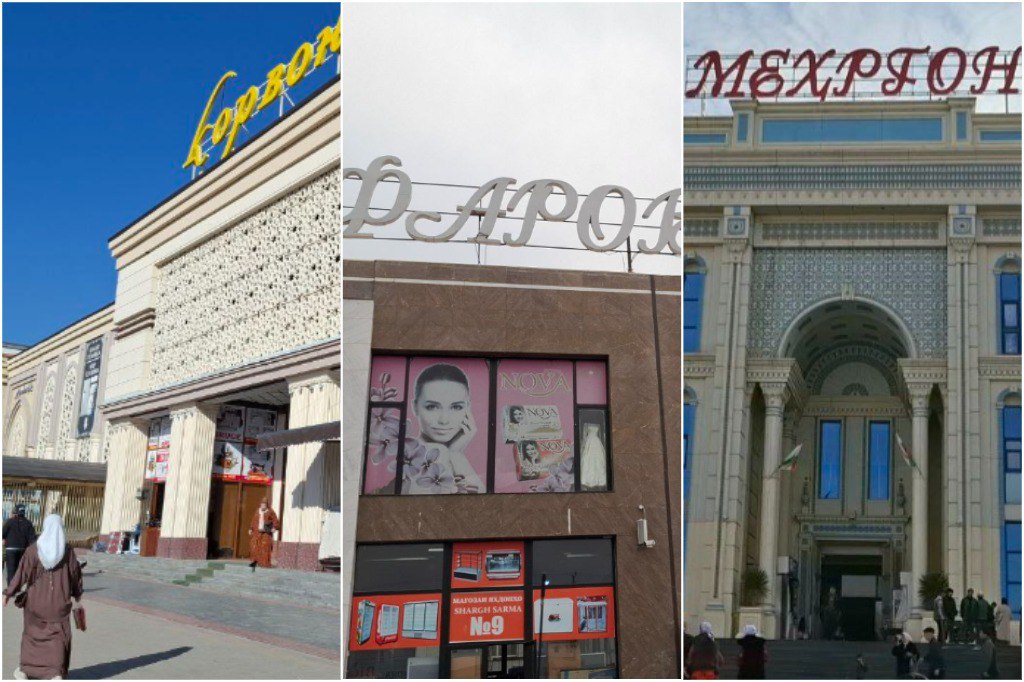
During the Navrouz holiday celebrations, some bazaars and shopping center in Dushanbe will remain closed for periods ranging from 1 to 4 days, according to the Dushanbe Department of Economic Development, Trade, and Monitoring of the city administration.
Since March 20 is the day of Eid al-Fitr, all bazaars will be closed on this day.
During the Navrouz holiday weekend, bazaars, markets and shopping centers will operate on varying schedules. Specifically, the Korvon market (including Korvon-Plus and Korvon-City) will be closed from March 21 to March 24, reopening on March 25.
Meanwhile, bazaars such as Dehqon, Sakhovat, Safariyon, and several shopping centers, will close only on March 20 and will remain open on the other holiday days.
The Navrouz holiday period, taking into account Eid al-Fitr, will begin on March 20 and continue until March 29.
Eurasian Development Bank Predicts 8.1% Economic Growth for Tajikistan in 2026
Analysts from the Eurasian Development Bank (EDB) forecast a real economic growth rate of 8.1% for Tajikistan by the end of 2026, which closely aligns with the government’s target of at least 8.0%. This growth is expected to be driven primarily by strong consumption and investment, supported by income from exports, according to the EDB's March 2026 Macroeconomic Review.
The report notes that continued favorable pricing for Tajikistan's key export goods, particularly gold, will contribute to maintaining high revenue levels from foreign trade. The country's economy is growing rapidly, fueled by strong domestic demand and industrial development.
The EDB's review highlights that in January 2026, Tajikistan's economy continued to demonstrate robust growth, bolstered by strong consumer and investment demand. Significant investments are being directed into the energy sector, particularly as part of state-led development policies, as well as into various industrial sectors such as mining, metallurgy, textiles, and food production.
It is important to note that the EDB's current forecast aligns with the expectations set at the end of the previous year.
Aligning expectations, diverging emphases
The EDB’s growth forecast generally coincides with the rhetoric of Tajikistan’s authorities, who have stressed the importance of maintaining high economic growth rates. In his latest address, President Emomali Rahmon emphasized the need to keep GDP growth at no less than 8%, focusing on industrialization, expanding energy capacity, boosting processing industries, and attracting investment.
However, the EDB analysts identify key drivers of growth as the energy sector, manufacturing industry, gold and base metal exports, and remittances from labor migrants. While the EDB's forecast underscores the external factors influencing growth—such as commodity prices and migration flows—the official government documents place more emphasis on internal sources of development and structural transformations.
This divergence does not point to a contradiction but highlights an important point: to achieve its medium-term goals of doubling GDP and reducing poverty, Tajikistan must reduce its economy's vulnerability to external shocks and accelerate the shift from quantitative growth to productivity-driven growth. This includes creating quality jobs, expanding the domestic market, and focusing on sustainable internal economic development.
Iran’s intelligence minister killed in air strike
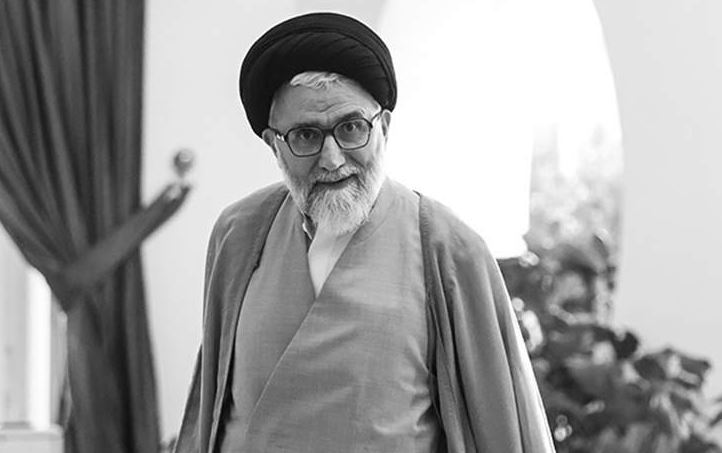
Iranian President Masoud Pezeshkian confirmed the death of intelligence chief Esmail Khatib, following an Israeli airstrike in Tehran on March 18. The Israeli military had earlier reported Khatib’s death as a result of the attack, as noted by the BBC’s Russian Service.
Pezeshkian expressed his grief on social media, saying, "The cowardly killing of my dear colleagues Esmail Khatib, Ali Larijani, Aziz Nasirzadeh, as well as some of their family members and accompanying team members, has plunged us into mourning." He extended his condolences to the people of the Islamic Republic of Iran.
Esmail Khatib (1961 – 18 March 2026) had served as Iran's Minister of Intelligence since August 2021. He was the eighth official to hold the prestigious post.
Born in Qaen, South Khorasan, Khatib studied Islamic jurisprudence in Qom, a major center of religious scholarship in Iran. Over the years, he became a trusted ally of Iran's Supreme Leader, Ayatollah Ali Khamenei, and a strong supporter of the Islamic Republic's founder, Ayatollah Ruhollah Khomeini. Khatib was deeply connected to influential religious figures, particularly his teachers, which helped cement his position in Iran's political and religious spheres.
Khatib held the title of Hujjat al-Islam, a high-ranking religious status in Iran that translates to "proof of Islam" or "authority on Islam."
Before his appointment as Minister of Intelligence, he held several key positions, including head of the Information Protection Center of the Judiciary and head of Astan Quds Razavi Security. Additionally, Khatib worked in the Office of the Supreme Leader as the chief warden, and served in both the Islamic Revolutionary Guard Corps (IRGC) intelligence division and Iran's Ministry of Intelligence.
Israeli Prime Minister Benjamin Netanyahu and Defense Minister Yoav Gallant confirmed the death of Khatib in an Israeli airstrike on the night of March 18. Gallant authorized actions by the Israeli Defense Forces (IDF) that allow for the elimination of senior Iranian officials without additional approvals, according to DW.
Gallant also warned of potential escalation in the coming days. He emphasized that the Israeli military's operation could result in "significant surprises" and usher in a new phase in the ongoing confrontation with Iran and its allied Lebanese group, Hezbollah. He stated that the intensity of strikes on Iranian targets would increase.
Since the onset of tensions between Israel, the United States, and Iran, numerous high-ranking Iranian officials have been killed, including Iran's Supreme Leader Ayatollah Ali Khamenei. On March 18, funerals were held in Tehran for former Supreme National Security Council Secretary Ali Larijani and the leader of the Basij militia, Gholamreza Suleimani, both killed in the airstrikes. Also commemorated were 84 sailors from the IRIS Dena ship, which was sunk by a torpedo in the Indian Ocean.
Alongside Larijani, his son Morteza, his bodyguard deputy Alireza Beyat, and Gholamreza Suleimani were killed in the attacks.
On March 18, the Iranian Revolutionary Guard Corps (IRGC) issued an “urgent warning” about planned strikes on five energy facilities in the Persian Gulf. According to Iran’s Tasnim news agency, the IRGC warned civilians living near these facilities to evacuate immediately. These include the Samref oil refinery, the Al-Jubail petrochemical complex, the Mosaid holding company, the Al-Hosn gas field, and the Ras Laffan refinery.
The statement urged: "These facilities have become direct and legitimate targets and will be subjected to attacks in the coming hours. Therefore, all citizens, residents, and workers are strongly advised to leave these areas and move to a safe distance without delay."
In retaliation for the Israeli airstrike on Iran’s largest gas field in the Persian Gulf, Iran threatened to bomb oil and gas facilities. U.S. President Donald Trump took to his Truth Social platform to warn that the U.S. would "destroy" the South Pars gas field if Iran attacks Qatar. Trump asserted that the United States had not been informed in advance of Israel’s strike on the field, which he said affected only a small part of the reserve, and was carried out "out of anger."
Trump also criticized Iran for its response to the Israeli attack, which he described as "unjustified and unfair." He emphasized that Israel would not strike South Pars again, as the field is "extremely important and valuable."
However, Trump warned that if Iran attacked Qatar again, the United States could strike the South Pars field with unprecedented force. He clarified that he was not seeking further escalation due to the potential long-term consequences for Iran, but underscored that any future attack on Qatari LNG infrastructure would prompt an immediate response from the U.S.
Russian parliament tightens immigration rules for migrant children and patent holders
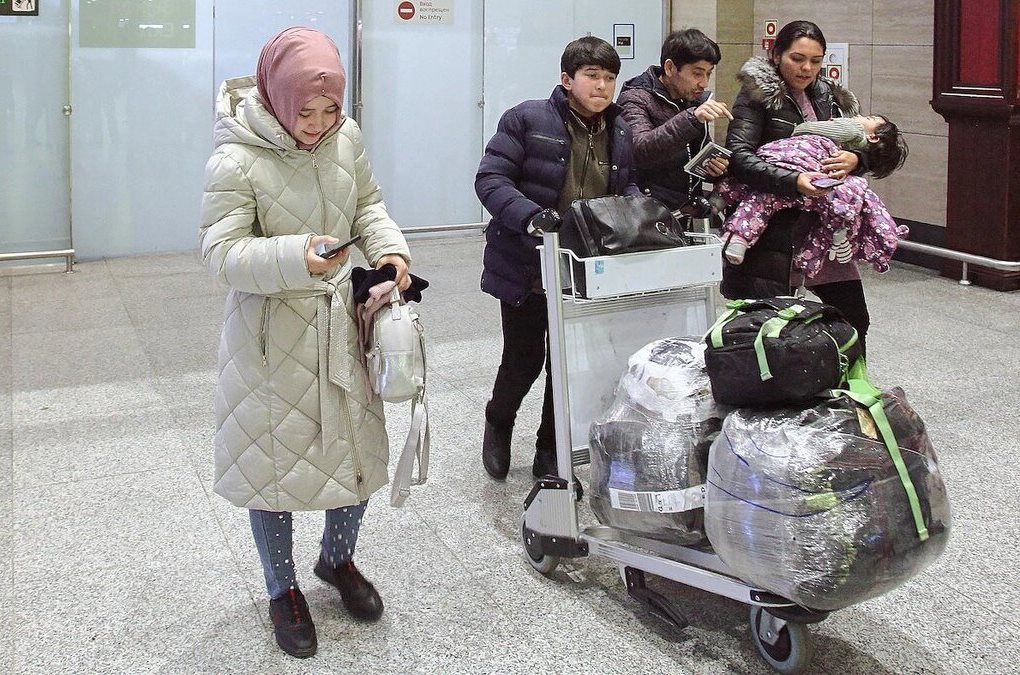
On March 18, the State Duma (Russia’s lower chamber of parliament) passed two significant bills concerning labor migration in their first reading.
The State Duma’s official website says that under the new regulations, migrant children who reach the age of 18 will be required to leave Russia within 30 days unless they obtain their own patent (work permit). Additionally, labor migrants will now be required to pay a fixed advance tax not only for themselves, as is currently the case, but also for all family members who depend on them and are residing in Russia.
The patents or work permits of migrants will be revoked if there is no information about their income or if their income is below a threshold, calculated by multiplying the regional living wage by the number of family members dependent on the migrant.
The new measures also propose stricter conditions for foreigners who have received temporary residence permits or residence permits. These permits will either not be issued or will be annulled if the migrant worked for less than ten months in the preceding year.
During the session, State Duma Speaker Vyacheslav Volodin noted that "in addition to the two bills discussed in the area of migration, four more are under review."
Tajikistan joins UN Convention against Cybercrime
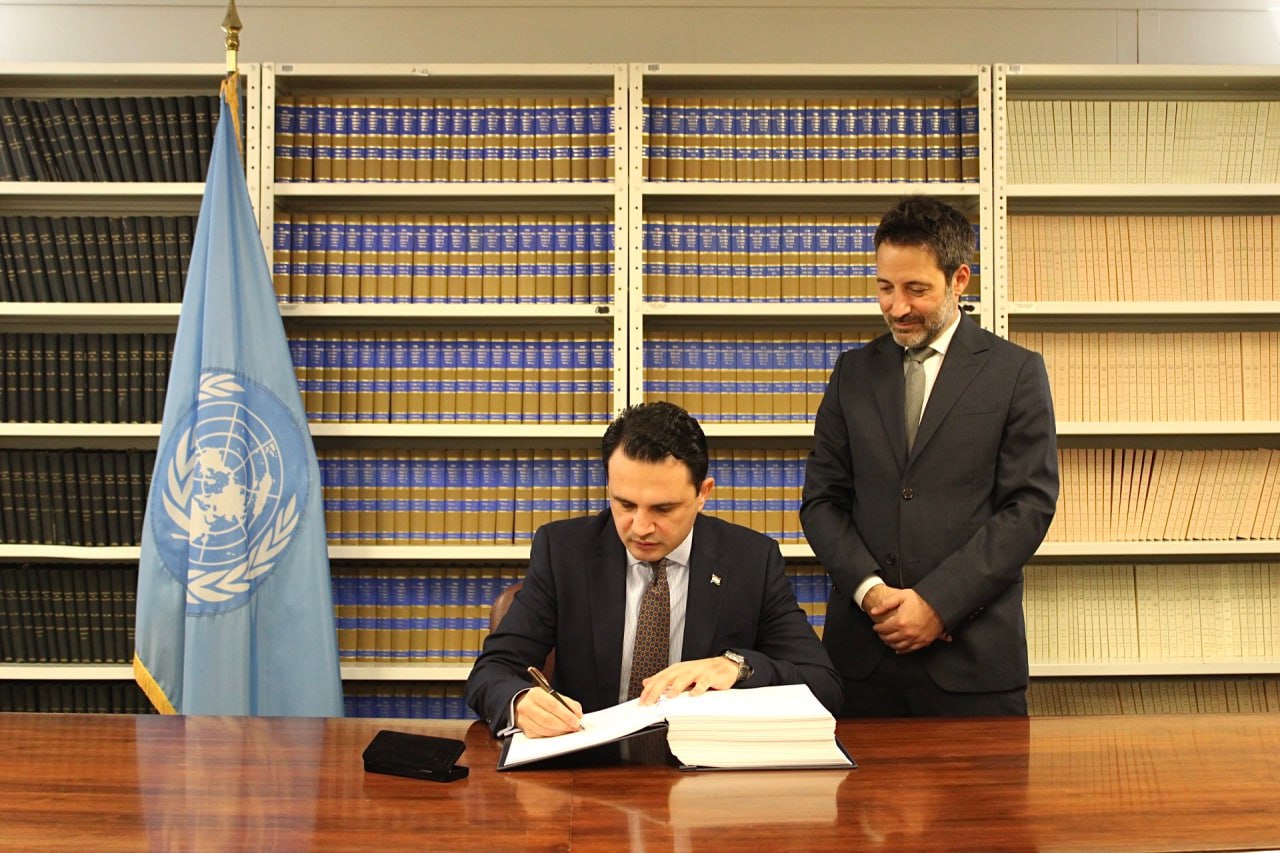
On March 17, Tajikistan officially joined the international effort to combat cybercrime by signing the United Nations Convention against Cybercrime. The signing ceremony took place at the UN Headquarters in New York, according to the Ministry of Foreign Affairs of the Republic of Tajikistan.
The document was signed on behalf of Tajikistan by the country’s Permanent Representative to the UN, Jonibek Hikmat.
The Convention reportedly aims to strengthen international cooperation in addressing crimes committed using information and communication technologies. It also establishes mechanisms for the exchange of electronic evidence in serious criminal investigations.
As internet-enabled devices continue to proliferate worldwide, the rise of transnational cybercrime has posed significant challenges for national law enforcement and security agencies. Countries vary widely in their approach to investigating, enforcing, and legislating against cybercrime, creating a complex global landscape for tackling digital threats.
In response to these challenges, the Council of Europe took a pioneering step in the early 2000s by establishing the Budapest Convention, the first international treaty aimed at addressing internet and computer crime. The convention, which came into force in July 2004, harmonized national laws, enhanced investigative techniques, and promoted cooperation between nations. By 2025, the treaty had been ratified by 81 countries, including several outside of Europe.
Despite the Budapest Convention's success, some countries, notably Russia, have raised concerns about its implications for national sovereignty. In 2017, Russia proposed an alternative framework through the United Nations (UN), arguing that the Budapest Convention posed a threat to its internet control. The proposal gained traction, and in 2019, Russia introduced the UN cybercrime convention to the General Assembly. The resolution, which passed with 88 votes in favor, 58 against, and 34 abstaining, was officially adopted in December 2024.
The full title is United Nations Convention against Cybercrime: Strengthening International Cooperation for Combating Certain Crimes Committed by Means of Information and Communications Technology Systems and for the Sharing of Evidence in Electronic Form of Serious Crimes.
As of March 2025, 75 countries have joined the agreement, with the convention remaining open for signature at the UN Headquarters until December 31, 2026.
