Tajik PM, UNHCR regional Coordinator for CA discuss cooperation issues

DUSHANBE, March 14, 2014, Asia-Plus — Tajik Prime Minister Qohir Rasoulzoda yesterday met here with Ms. Saber Azam, UNHCR Regional Representative/Regional Coordinator for Central Asia. Subhiddin Muhiddinov, a senior consultant to Tajik president’s press service, says the two discussed issues related to expansion of cooperation between Tajikistan and the UN Refugee Agency on providing rights […]

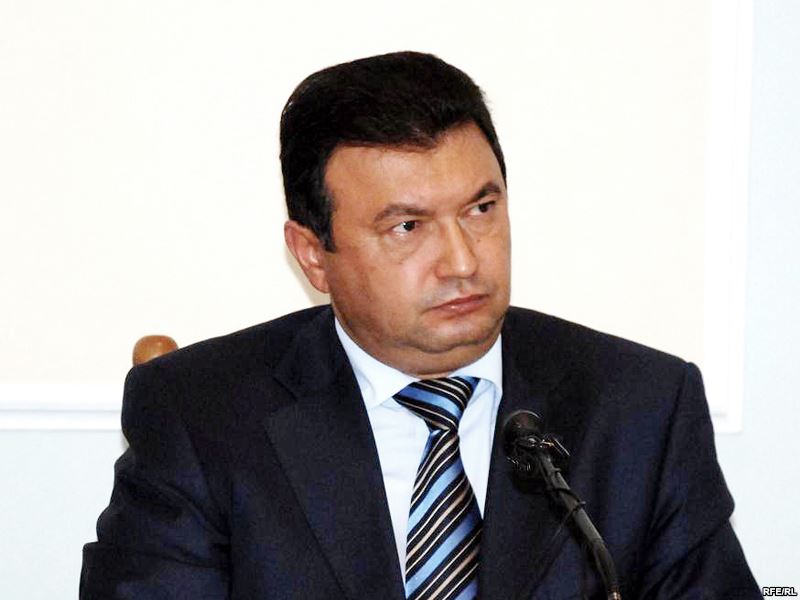
DUSHANBE, March 14, 2014, Asia-Plus — Tajik Prime Minister Qohir Rasoulzoda yesterday met here with Ms. Saber Azam, UNHCR Regional Representative/Regional Coordinator for Central Asia.

Subhiddin Muhiddinov, a senior consultant to Tajik president’s press service, says the two discussed issues related to expansion of cooperation between Tajikistan and the UN Refugee Agency on providing rights of refugees and problems regarding providing security in the Central Asian region.

According to him, Mr. Azam highly appraised measured taken by the Government of Tajikistan to receive refugees, providing their rights of labor and education.

Tajik prime minister, for his part, expressed satisfaction with the level of cooperation between Tajikistan and the UN refugee Agency and stressed that some 2,000 foreign nationals, mostly Afghans, have been granted the status of refugee in Tajikistan so far, Muhiddinov said.

UNHCR opened an office in Tajikistan in 1993, when the country was torn by civil war two years after the country declared its independence from the Soviet Union.  That year, Tajikistan became the first country in Central Asia to accede to the 1951 Refugee Convention and its 1967 Protocol.  It was also the first country in the region to adopt national refugee legislation.  UNHCR has helped people displaced by the civil war to return home as well as assisting refugees.

According to information posted on the UN Refugee Agency’s website, Tajikistan hosts some 4,000 refugees and asylum-seekers, mostly of Afghan origin.  They cannot choose their place of residence, as they are not allowed to live in the major cities, including Dushanbe.  In 2013, UNHCR has donated equipment and helped introduce new software that provided the Government with a modern refugee registration system.  The organization has also helped the Government to revise its citizenship law and participated in a working group that has amended the national refugee law.  Both laws are now awaiting approval by Parliament.

Join us on social media!

Article translations:

Related Article

Tenisi
Оби зулол
Оби зулол

Most Read

Коммерсбонк Точикистон

Recent Articles

RZD announces the restoration of passenger services between Moscow and Dushanbe

Direct rail services between the capitals of Russia and Tajikistan were suspended in March 2020 due to the COVID-19 pandemic.

#AP30/Stories. “Selam! Heller nichek?” How Tatars live today in Sughd province

On the 30th anniversary of "Asia-Plus," we continue to publish reports that remain relevant even after years. This story was told in 2021, and since then, little has changed in the life of the Tatar community in Tajikistan.

15,000 cameras, drones, and robots: how technology monitors pilgrims in Mecca and Medina

During Hajj 2026, Mecca and Medina were under unprecedented digital control.

Another child in Dushanbe removed from family and sent to boarding school

The Ministry of Internal Affairs reports that the parents did not pay adequate attention to the child.

Emomali Rahmon instructs to address issues in seed production following criticism of the industry

Issues have been noted with certification, seed quality, and the material and technical base of the industry.

Water, climate, and a $130 billion deficit: seven key outcomes of the Water Conference in Dushanbe

At the forum, countries and international organizations discussed new mechanisms for cooperation, investments, and technologies that are essential for addressing the global water crisis.

Eskhata Bank introduces a new generation children’s wallet

"Eshkata Bank" has created a full-fledged digital platform that helps children aged 7 to 16 learn how to manage money.