IRP intends to create its faction in the parliament

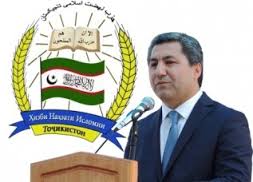
DUSHANBE, October 23, 2014, Asia-Plus — The Islamic Revival Party (IRP) intends to nominate 40 candidates for the 2015 parliamentary elections due in late February. “We intend to include 20 candidates in the party list and our 20 other candidates will run in single-mandate constituencies,” IRP deputy leader, Mahmadali Hayit, told Asia-Plus in an interview.     […]

DUSHANBE, October 23, 2014, Asia-Plus — The Islamic Revival Party (IRP) intends to nominate 40 candidates for the 2015 parliamentary elections due in late February.

“We intend to include 20 candidates in the party list and our 20 other candidates will run in single-mandate constituencies,” IRP deputy leader, Mahmadali Hayit, told Asia-Plus in an interview.      

According to him, the party’s pre-election congress that will take place in Dushanbe on December 16 will determine the candidates for the upcoming parliamentary elections.

“I believe we will not have any financial problems and we will be able to collect the necessary amount,” Hayit said, noting that in case of necessity they will apply to their “sisters and brothers in the party.”

The Islamic Revival Party intends to create its faction in the Majlisi Namoyandagon (Tajikistan’s lower chamber of parliament).

To create its faction, the IRP will have to win at least five seats in the new parliament.

Founded in October 1990, the Islamic Revival Party of Tajikistan is the only Islamic party registered in CIS Central Asia.

The IRP was registered on December 4, 1991.  It was banned by the Supreme Court in June 1993 and legalized in August 1999.  Its official newspaper is

Najot

(Salvation).  According to some source, the IRP now has some 50,000 members.  Women reportedly constitute more than 51 percent of the Islamic Revival Party members.

It won two seats in the 2010 parliamentary elections.   IRP leader Muhiddin Kabiri and IRP deputy head, Saidumar Huseini, represent the party in the current parliament; both of them came to the parliament from the party list.

Tajikistan’s Parliament (Majlisi Oli) has two chambers: the Assembly of Representatives (Majlisi Namoyandagon) and the National Assembly (Majlisi Milli).  Majlisi Namoyandagon has 63 members, elected for a five-year term in, 22 by proportional representation and 41 in single-seat constituencies.  Majlisi Milli has 33 members, 25 elected for a five-year term by local legislature (majlis) members and eight appointed by the president. 

Join us on social media!

Article translations:

Related Article

Tenisi
Оби зулол
Оби зулол

Most Read

Коммерсбонк Точикистон

Recent Articles

RZD announces the restoration of passenger services between Moscow and Dushanbe

Direct rail services between the capitals of Russia and Tajikistan were suspended in March 2020 due to the COVID-19 pandemic.

#AP30/Stories. “Selam! Heller nichek?” How Tatars live today in Sughd province

On the 30th anniversary of "Asia-Plus," we continue to publish reports that remain relevant even after years. This story was told in 2021, and since then, little has changed in the life of the Tatar community in Tajikistan.

15,000 cameras, drones, and robots: how technology monitors pilgrims in Mecca and Medina

During Hajj 2026, Mecca and Medina were under unprecedented digital control.

Another child in Dushanbe removed from family and sent to boarding school

The Ministry of Internal Affairs reports that the parents did not pay adequate attention to the child.

Emomali Rahmon instructs to address issues in seed production following criticism of the industry

Issues have been noted with certification, seed quality, and the material and technical base of the industry.

Water, climate, and a $130 billion deficit: seven key outcomes of the Water Conference in Dushanbe

At the forum, countries and international organizations discussed new mechanisms for cooperation, investments, and technologies that are essential for addressing the global water crisis.

Eskhata Bank introduces a new generation children’s wallet

"Eshkata Bank" has created a full-fledged digital platform that helps children aged 7 to 16 learn how to manage money.