DUSHANBE, July 24, Asia-Plus — During a recent presentation to The Principals’ Group it was pointed out that a Presidential decree to abolish child labor in Tajikistan’s cotton fields is not being fully implemented.
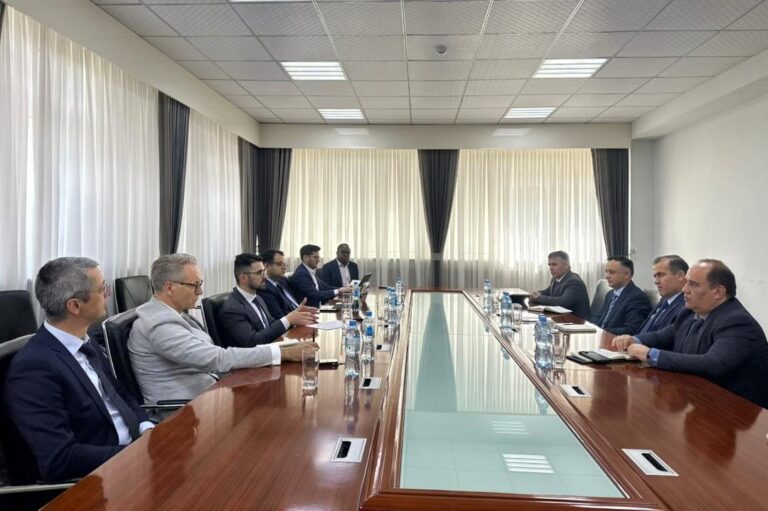
The Principals’ Group (the heads of donors and international organizations in Dushanbe) expressed their concern at the continuation of child labor in Tajikistan and has called for children’s rights to be recognized.
According to a presentation made by UNICEF, the International Labor Organization (ILO) and an NGO, Children’s Legal Center, to the meeting of The Principals’ Group, agriculture is one of the three most hazardous work sectors – along with mining and construction – in terms of work-related deaths and illnesses. This is especially true for children, whose lack of experience and training make them particularly vulnerable. When children are forced to work long hours in the fields, their ability to attend school is limited, preventing them from gaining the education that could help lift them out of poverty.
Tajikistan’s legislative framework including its Labor Code and Law on Education (as well as a number of international treaties which Tajikistan has signed) prohibit children from performing any work that is likely to be hazardous. Furthermore, a Presidential Decree has been issued specifically prohibiting the use of child labor in the cotton fields and providing for sanctions to be imposed in cases of violation.
However, the main burden of the manual work in the cotton fields in Tajikistan today is being carried by women and children. A recent international survey showed that some students were absent from classes for up to one-third of the academic year due to cotton harvesting.
“We all felt at our meeting that, despite the obvious importance of cotton production for Tajikistan, it was important that we should not overlook children’s rights” Mr. Graeme Loten, the current Chairman of The Principals’ Group said after the meeting. “With the cotton harvest season approaching in September we shall be keeping an eye open to see how many children are working in the cotton fields rather than attending their school classes.”
The Principals’ Group in
Tajikistan is a coordination body of Ambassadors and representatives of donors and International Financial Institutions who participate in regular coordination meetings with a rotating chairperson. The Principals share information with one another on development issues and seek to draw further attention to important issues confronting Tajikistan.
Those who attended The Principals’ Group meeting on children in July and who are associated with this press release are the representatives of Embassies of France, Germany, India, Switzerland, USA, United Kingdom; ADB, EBRD, UNTOP, WHO, World Bank.