DUSHANBE
, June 29, Asia-Plus — Corruption and excessively frequent inspections are the main obstacle to conducting and developing business in
Tajikistan
, preliminary results of the Report “Business Environment in Tajikistan As Seen by Small and Medium Enterprises presented in
Dushanbe
on June 29 says.
This is the survey of the small and medium enterprises (SME) sector in
Tajikistan
conducted by International Finance Corporation (IFC) in March-May this year within the framework of the second phase of the project for development of small and medium enterprises. The aim of the survey was to discover entrepreneurs’ attitudes to prevailing business conditions and the government reforms in this are. The conduct of the survey was made possible through the financial support of the Swiss Secretariat for Economic Affairs (SECO). Some 2,500 entrepreneurs working in all sectors and regions of
Tajikistan
have been surveyed.
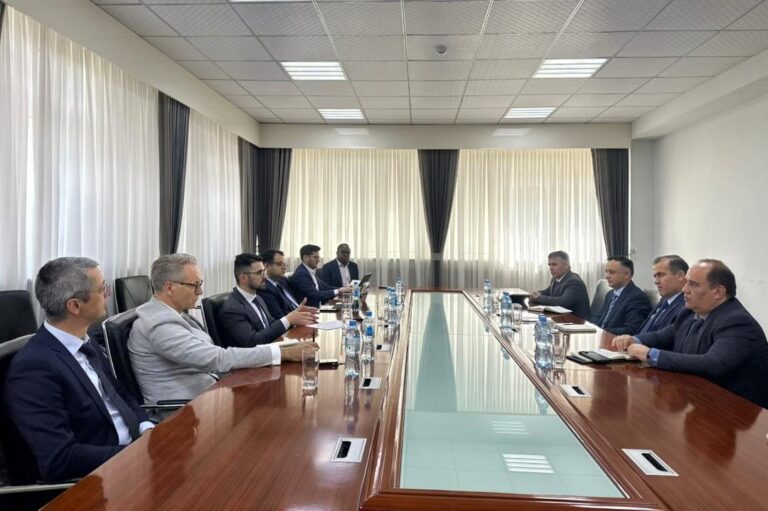
Mr. Florentine Blanc, the head of the IFC’s “Development of Small and Medium Businesses in
Tajikistan
” Project, telling the survey-presenting ceremony said that
Tajikistan
’s Government was taking measures to promote development of private sector. “
Tajikistan
, in particular, adopted laws on microfinance organizations and licensing, new Tax Code,” said Mr. Blanc, “However, complicated licensing procedure remains one of obstacles to running business in the republic.”
According to him, many of those surveyed complaint about high cost of licenses, excessive number of documents and long term for getting license. Experts recommend working out and adopting a law reducing barriers to entering business through limiting spheres of licensing.
Besides, experts from IFC consider it necessary to simplify regulation of external trade transactions, consider the possibility of modernization of the tax system and improve transparency of the tax system for making entrepreneurs better informed and involvement of them in the processes of regulation and strengthening of rights of representatives of business in all procedures.
During the survey-presenting survey it was noted that the number of inspections visits in the republic remained high.
Mr. Blanc said the survey showed that 75 percent of those polled tackled their problems through unofficial way, making unofficial payments, and only 18 percent tackled their problems officially. He noted that in 2005, every entrepreneur in the country underwent on average 21 inspections.
The agencies conducting inspections most frequently included the tax administration, which inspected 91 percent of all respondents, who were inspected, the firefighting service (34 percent), sanitary and epidemiological service (30 percent), tax police (29 percent), “Tojikstandart” agency (20 percent), energy supervision department (19 percent) and the pension fund (12 percent).