Chinese mining alarms villagers in northwestern Tajikistan

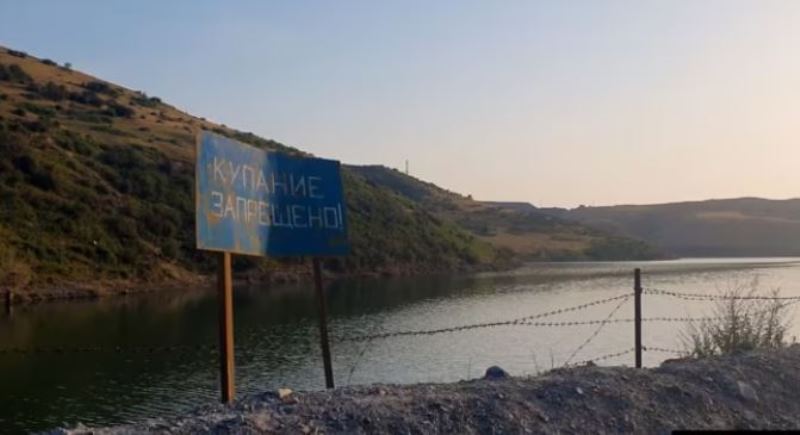
Radio Liberty says living next to the Chinese-owned Zijin mines, villagers near Bor in eastern Serbia and Panjakent in northwestern Tajikistan face the same threat: poisoned air, degraded farmland, and no recourse.  At the same time their governments reportedly deepen ties with Beijing. As both countries embrace Chinese investment under Beijing's Belt and Road Initiative, […]

Radio Liberty says living next to the Chinese-owned Zijin mines, villagers near Bor in eastern Serbia and Panjakent in northwestern Tajikistan face the same threat: poisoned air, degraded farmland, and no recourse.  At the same time their governments reportedly deepen ties with Beijing.

As both countries embrace Chinese investment under Beijing's Belt and Road Initiative, villagers say they're paying the environmental price, allegations Zijin denies.

Zijin operates a copper mine in Serbia and a gold mine in Tajikistan.  Both sites have drawn repeated complaints from nearby residents, who say promised relocations and cleanups never materialized.

In Tajikistan, Zijin reportedly holds a 70 percent stake in the Zarafshon gold mine.

"In the morning, thick smoke covers the village," says Abutolib Mukhtorov of Shing village.  "You can't breathe."

"That smell hits your nose, makes you dizzy. It's poison," says Asadulo Rahmonov of Khumgaron, Tajikistan.

"Peaches don't grow. Cucumber flowers fall off. The river's poisoned," Rahmonov added.

According to RFE/RL, Zijin has been fined multiple times but enjoys strong backing from Tajik authorities, who point to millions in tax revenue. Meanwhile, critics report police intimidation, surveillance, and detention.

Those who speak out risk retaliation.  In 2023, a group of women who traveled to Panjakent to protest were detained.

"We asked what crime we committed. They mocked us," recalls Firouza Qahhorova.  "When I fainted, they said, 'Don't give her water; give her dirt.'"

Zijin maintains it operates legally and plans to mine in Tajikistan for another 20 years.

In both countries, authorities hail the company as a driver of economic growth, even as the environmental cost mounts.

For those living in its shadow, Zijin's expansion brings not prosperity, but dust and a fight for the future.

Join us on social media!

Article translations:

Related Article

Tenisi
Оби зулол
Оби зулол

Most Read

Коммерсбонк Точикистон

Recent Articles

RZD announces the restoration of passenger services between Moscow and Dushanbe

Direct rail services between the capitals of Russia and Tajikistan were suspended in March 2020 due to the COVID-19 pandemic.

#AP30/Stories. “Selam! Heller nichek?” How Tatars live today in Sughd province

On the 30th anniversary of "Asia-Plus," we continue to publish reports that remain relevant even after years. This story was told in 2021, and since then, little has changed in the life of the Tatar community in Tajikistan.

15,000 cameras, drones, and robots: how technology monitors pilgrims in Mecca and Medina

During Hajj 2026, Mecca and Medina were under unprecedented digital control.

Another child in Dushanbe removed from family and sent to boarding school

The Ministry of Internal Affairs reports that the parents did not pay adequate attention to the child.

Emomali Rahmon instructs to address issues in seed production following criticism of the industry

Issues have been noted with certification, seed quality, and the material and technical base of the industry.

Water, climate, and a $130 billion deficit: seven key outcomes of the Water Conference in Dushanbe

At the forum, countries and international organizations discussed new mechanisms for cooperation, investments, and technologies that are essential for addressing the global water crisis.

Eskhata Bank introduces a new generation children’s wallet

"Eshkata Bank" has created a full-fledged digital platform that helps children aged 7 to 16 learn how to manage money.