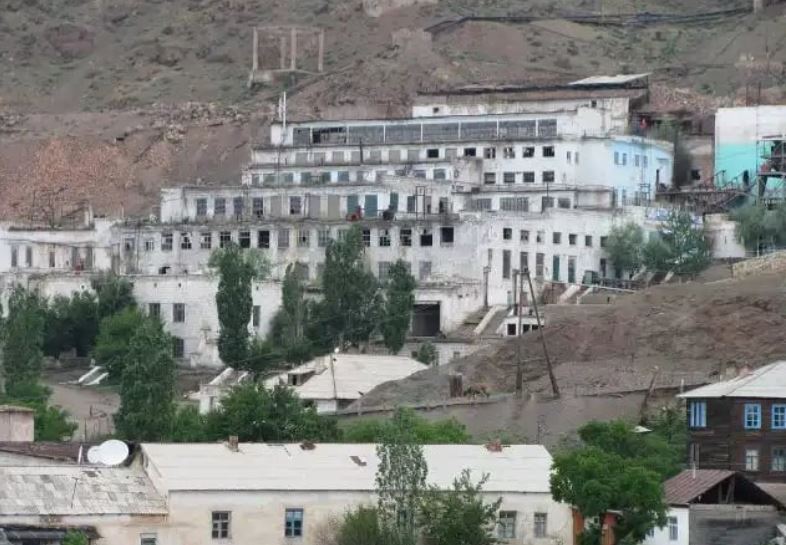
The Adrasman Mining and Processing Plant, the largest industrial facility in the city of Guliston (formerly Qayroqqum), which has been idle for more than 12 years, is expected to resume operations in September, according to the city’s mayor Ilhom Pulodzoda.
In a report released at a news conference in Guliston, Pulodzoda said on January 30 that after many years of inactivity, a Chinese investor has expressed readiness to invest in the plant. He noted that the investor has already settled several years’ worth of unpaid wages, covered outstanding electricity bills, and paid accumulated tax arrears. A small portion of electricity debt remains, and repayment is ongoing.
“Currently, about 100 people are working at the Adrasman plant — mainly builders and engineers. At the initial stage, the project is expected to create up to 500 jobs,” Pulodzoda said.
Previously, the plant was owned by Kazakh entrepreneurs and had not operated for the past 12 years. The future of the facility has repeatedly been raised by journalists at city administration press conferences.
Last summer, Pulodzoda first announced plans to restart the plant, noting that the Chinese company had begun installation works and that renovation of a workers’ dormitory was underway. At that time, he said the investment volume would exceed $50 million, but did not disclose the name of the investor — a detail that remains undisclosed.
Why Adrasman shut down
The Adrasman Mining and Processing Plant was established in the second half of the 20th century. A settlement with a population of around 10,000 people grew around it and was once known as a “miners’ town.”
The plant operated one of the largest silver deposits in the region, while the Kurama and Karamazar mountains were also rich in gold, lead, and other non-ferrous metals. During the Soviet period, the enterprise operated at full capacity, but production declined after the collapse of the USSR.
In 2006, the plant was acquired by the Kazakh company Koni Mansour, which invested in its development. Between 2006 and 2013, however, the facility operated at only 30%–40% of its capacity.
In 2013, Adrasman declared bankruptcy and ceased operations entirely. At the time, around 750 local residents were employed at the plant, which was considered one of the country’s largest taxpayers, contributing up to 12 million somoni annually to the state budget.
Due to falling global silver prices, the Kazakh owners eventually abandoned the project. In 2018, following court proceedings, the enterprise was transferred to state ownership.