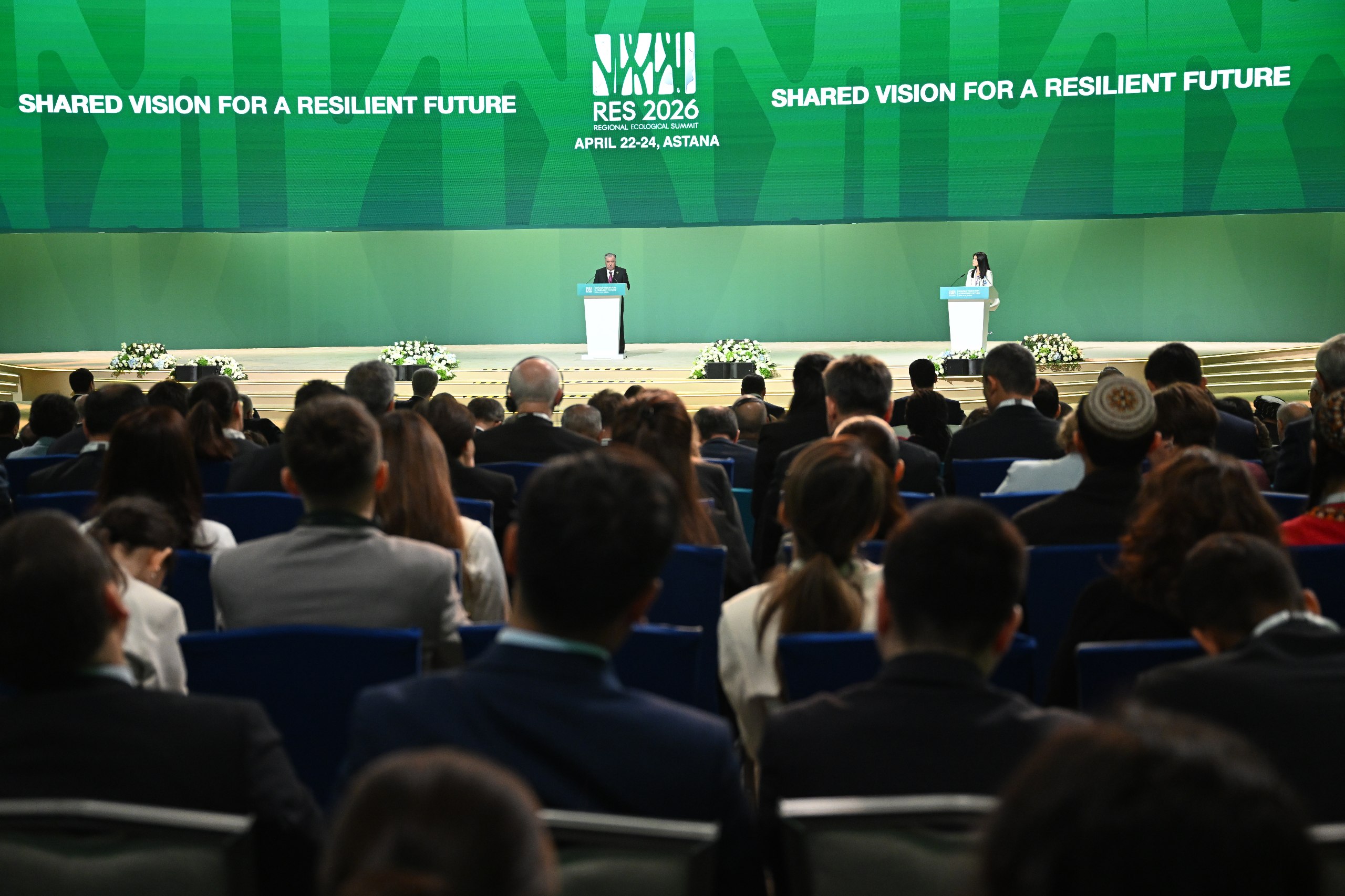
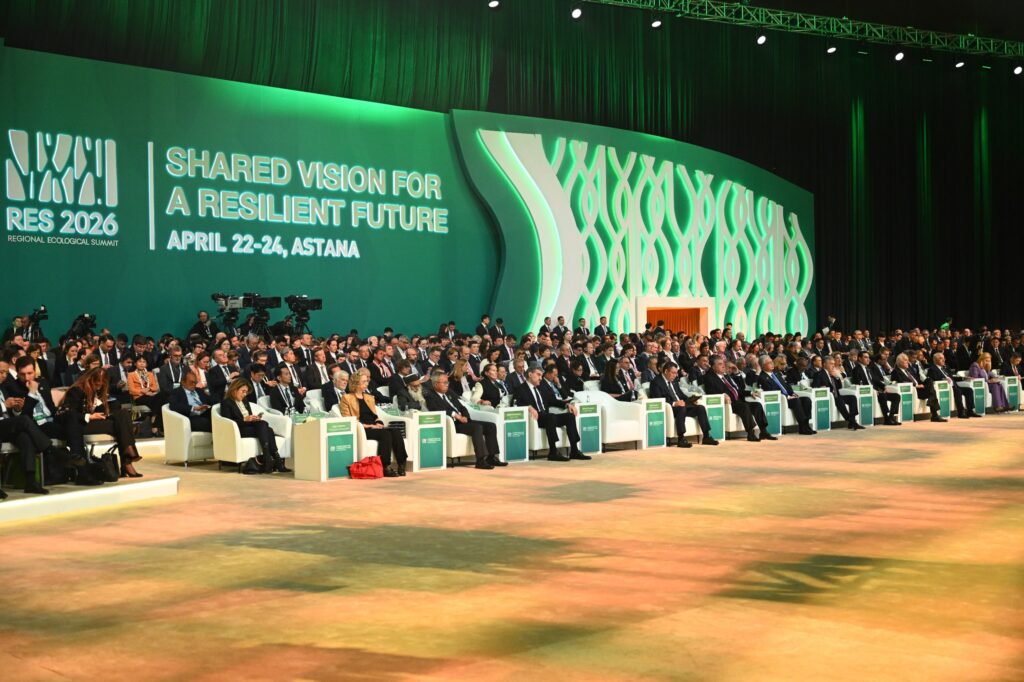
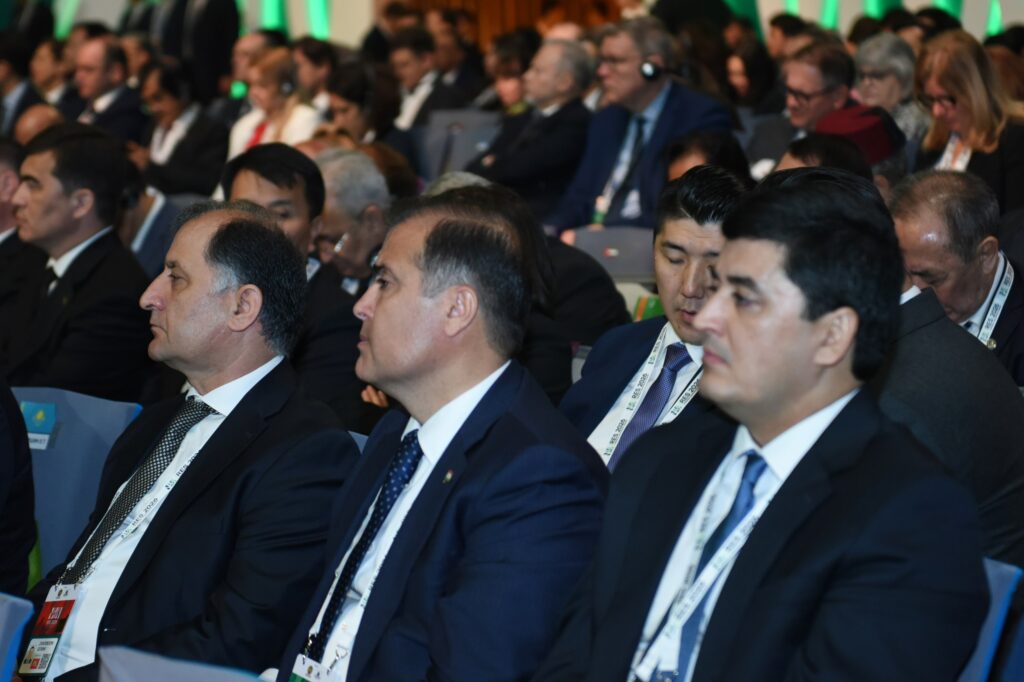
President of Tajikistan Emomali Rahmon emphasized the importance of preserving Tajikistan’s mountain ecosystems while speaking on April 22 at the Regional Ecological Summit 2026 (RES 2026) in Kazakhstan’s capital, Astana. He noted that mountain ecosystems play a key role in ensuring water supply in Central Asia and in supporting the sustainable development of the entire region.
In his speech, Rahmon reminded that Tajikistan forms up to 60% of Central Asia’s water resources:
“Up to 60% of Central Asia’s water resources are formed on the territory of our country. This emphasizes the important role of Tajikistan’s mountain ecosystems in ensuring the water supply and sustainable development of the region. We are facing threats from accelerated glacier melting and the reduction of snow resources.”
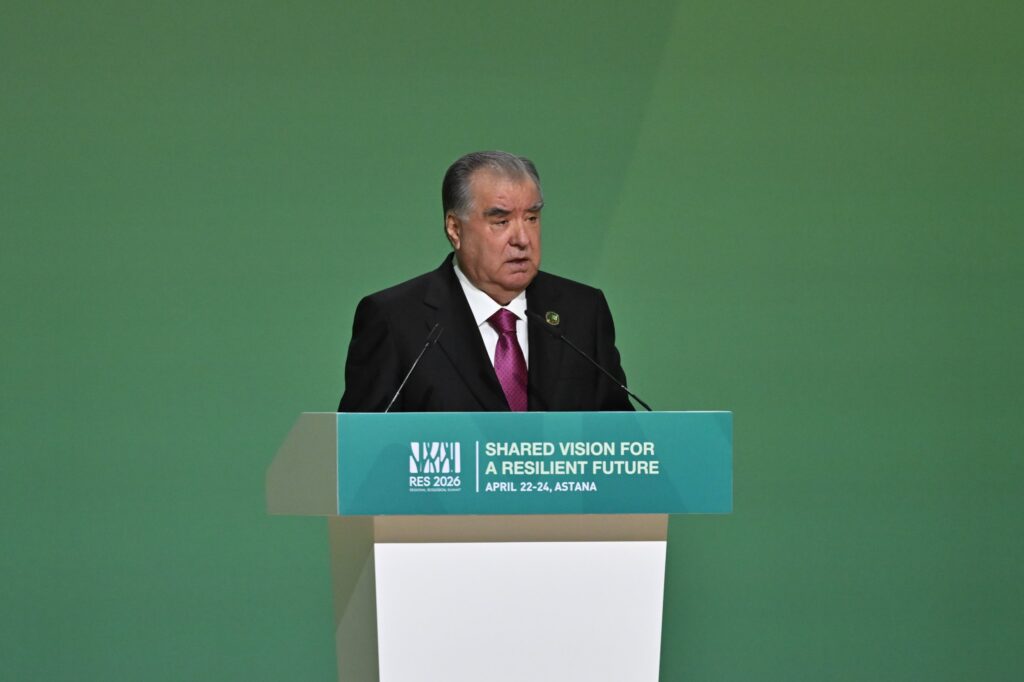
The president paid special attention to the growing problem of glacier melting. He noted that out of 14,000 glaciers in Tajikistan, more than a thousand have already completely melted, which seriously threatens the water balance, causes environmental problems, and increases the risk of natural disasters. According to him, this process is global in nature and requires urgent action:
“The process of intense glacier melting is tending to intensify worldwide, leading to disruptions in the water balance, environmental threats, and an increased risk of water-related natural disasters.”
He noted a troubling trend of increasing frequency and duration of dust storms in the countries of the region, which negatively affect the health of the population and the environment.
“In Tajikistan alone, more than 65 episodes of dust storms were recorded last year. Their duration was approximately 7 months. This was unprecedented. Meanwhile, in the early 1990s, the frequency of such weather events was 2-3 times a year,” Rahmon said.
The president also spoke about the measures being taken in Tajikistan to combat these threats, such as a greening program aimed at planting more than 1 billion trees by 2040.
“Since independence, the total area of specially protected natural territories in the Republic has increased from 2.5 to 22%. Alongside this, Tajikistan is actively implementing various state programs and projects to preserve unique and rare species of flora and fauna,” the president added.
In addition to this, the President of Tajikistan emphasized the importance of developing renewable energy sources and creating a regional carbon market. He stressed that for Tajikistan, the development of hydropower and other clean energy sources is a strategic priority, and he also highlighted the necessity of mobilizing environmental investments.
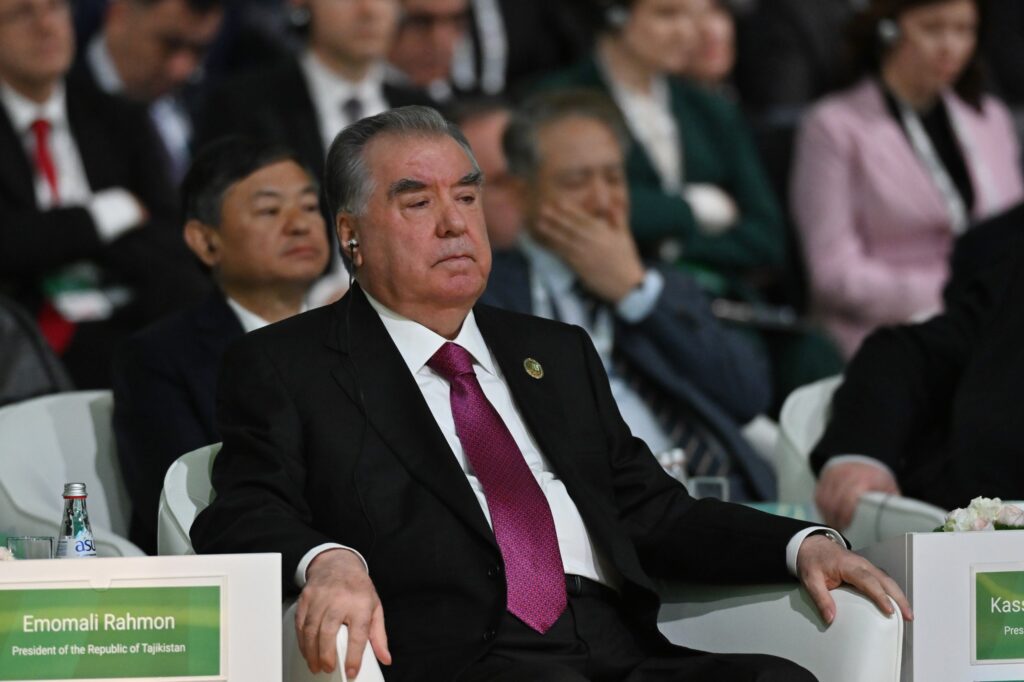
“Achieving the development of hydropower and other clean energy sources is a strategic priority. In the current conditions, the mobilization of environmental investments and the implementation of market mechanisms to support green growth have become particularly significant,” he said.
Moreover, the head of state noted the importance of strengthening regional environmental cooperation and creating a Waste Management Center in Dushanbe, which could become an important platform for cooperation at the level of Central Asia. In conclusion, the president expressed readiness to host delegations from Central Asian countries at the fourth international conference on sustainable water supply, which will be held in Dushanbe in May 2026.
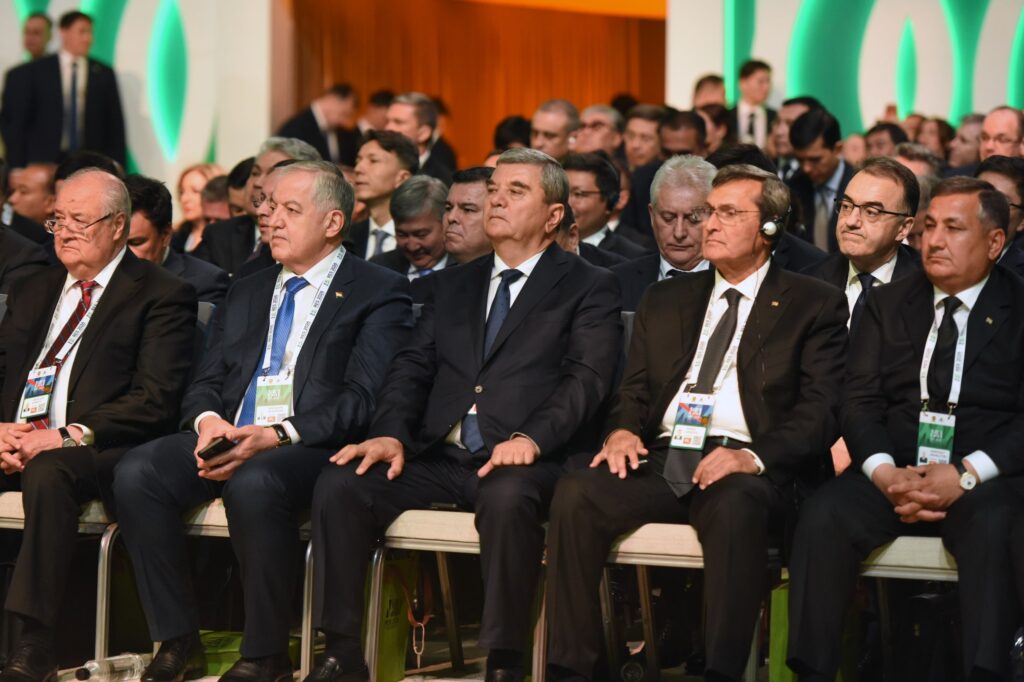
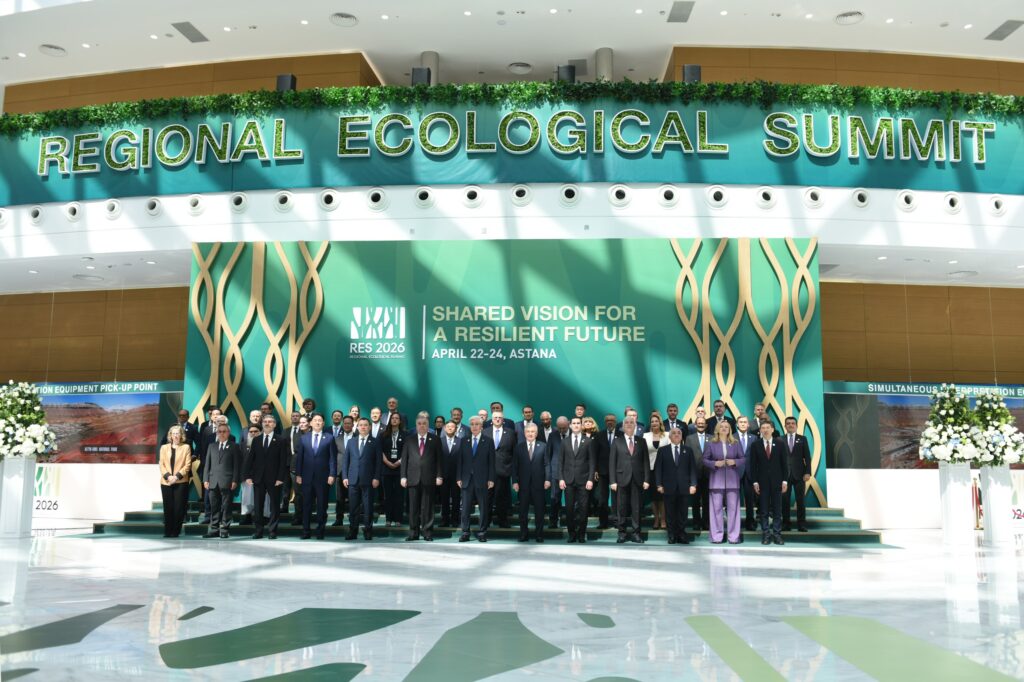
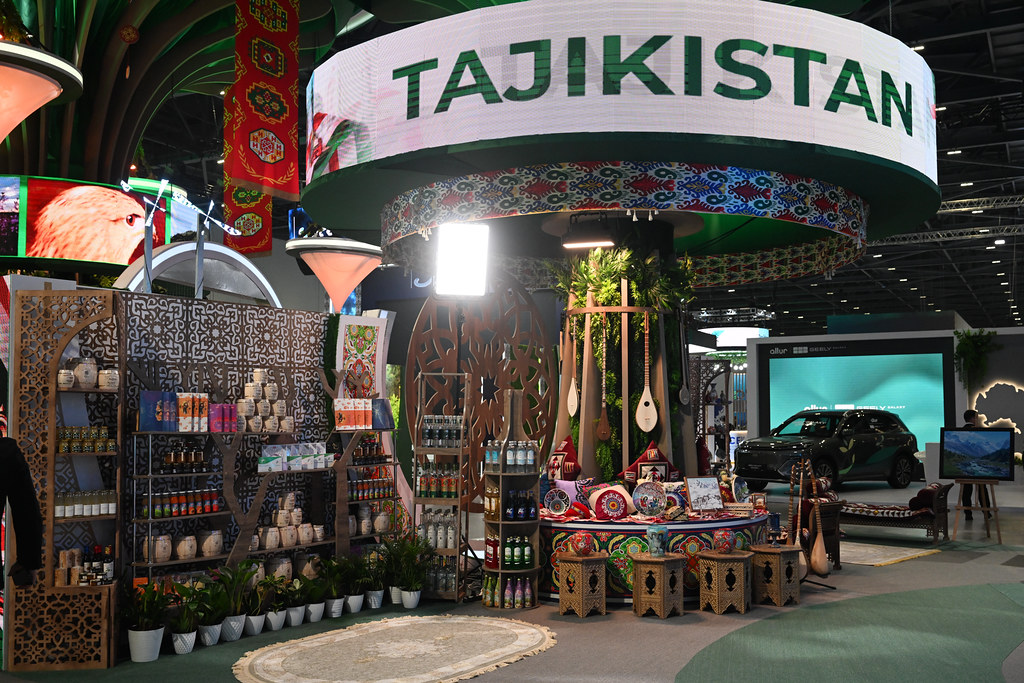
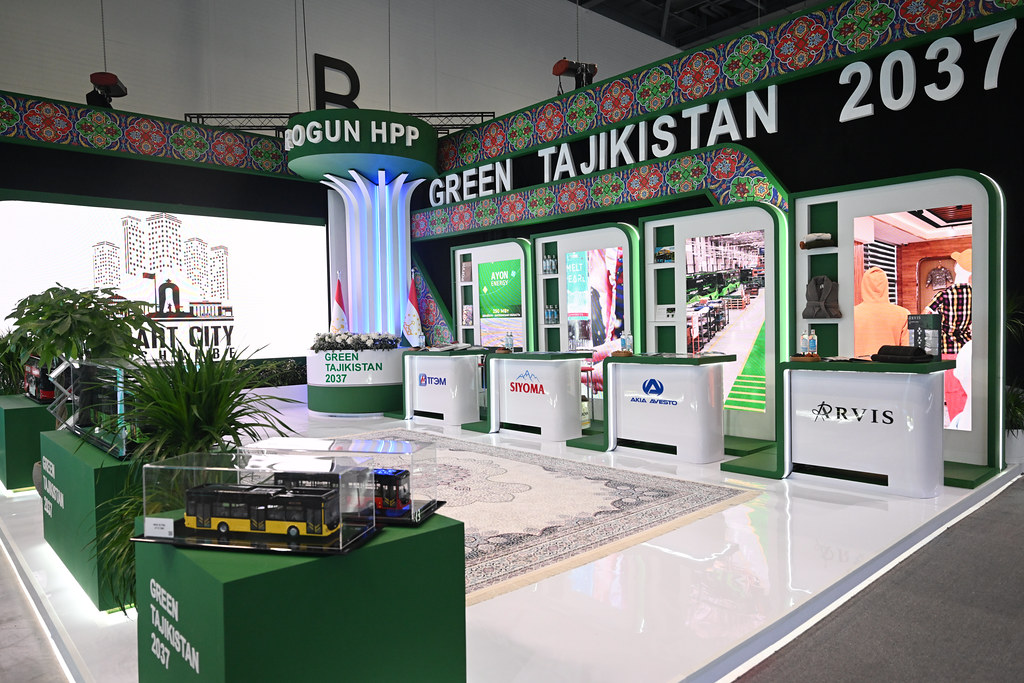
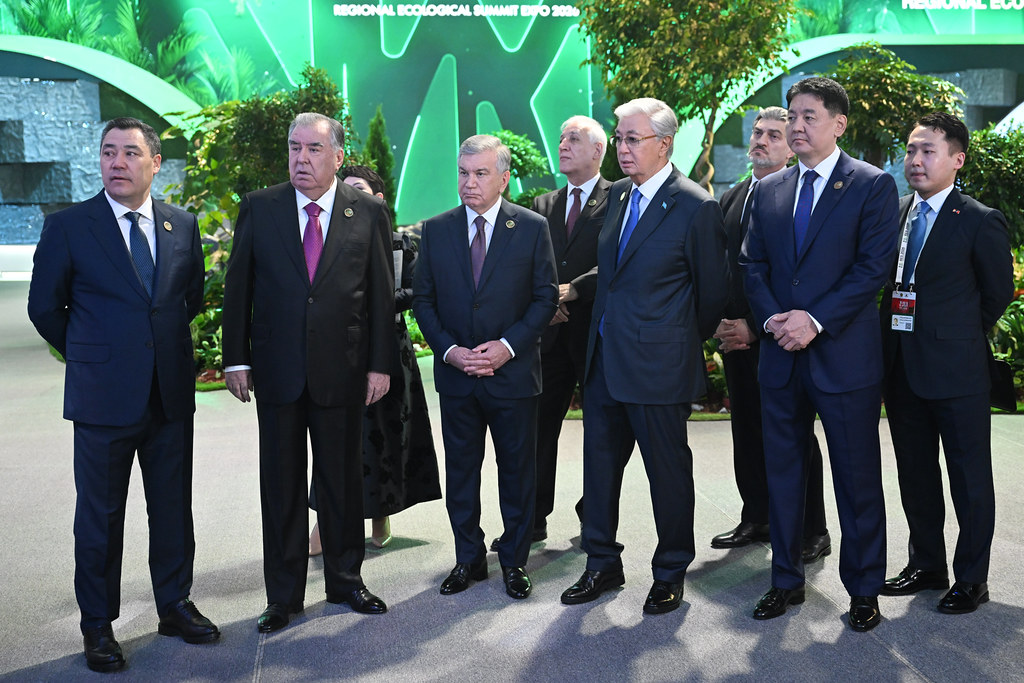
On the same day, on the sidelines of the Regional Eco-Summit, Emomali Rahmon, together with other heads of state and delegation participants, visited a thematic exhibition where Tajikistan’s pavilion was presented, showcasing the country’s contribution to advancing the climate agenda.
In the pavilion of Tajikistan, the heads of state were provided with information on global issues of glacier melting, biodiversity conservation, environmental improvement, as well as on the significance and priorities of transitioning to a green economy and developing ecotourism.