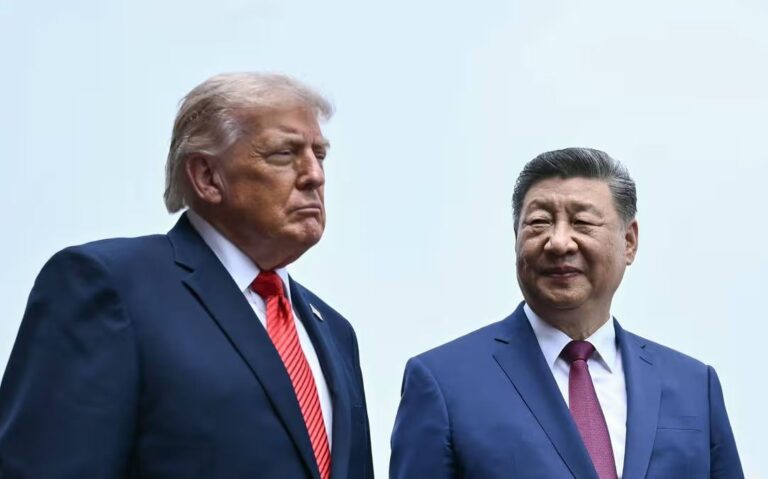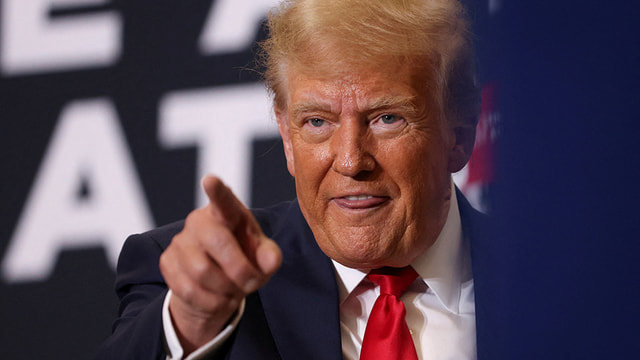
U.S. President Donald Trump has been vacillating between a hardline and conciliatory approach since the beginning of the war in the Middle East.
On one hand, he refuses operations with potentially high losses, such as the landing on Kharg Island, while on the other, he publishes harsh and emotional ultimatums on social media without consulting his own advisors. This leads to chaos within the White House and confusion even among the president’s supporters, Meduza writes citing The Wall Street Journal, which spoke with various sources in the Trump administration.
For instance, Trump’s post urging to “open the damn strait,” which he published on Easter and ended with the phrase “praise Allah,” caused bewilderment among Christian leaders and Republican senators. They called the White House trying to find out why the president mentioned Allah and used profanity on a Christian holiday.
According to WSJ, Trump later explained to one of his advisors that he came up with mentioning Allah himself, as he wanted to appear as unbalanced as possible—believing that this might force the Iranians to come to the negotiation table. He thought that such language was understandable to Tehran.
The next post by Trump, where he threatened “the destruction of an entire civilization” if Iran refused the deal, as WSJ found, was also an improvisation. According to the president’s advisors, he hoped that he would scare the Iranians and be able to end the conflict.
The very decision by Trump to start the war surprised many who knew him well, writes the publication. The U.S. President made it following consultations with Israeli Prime Minister Benjamin Netanyahu and military advisors.
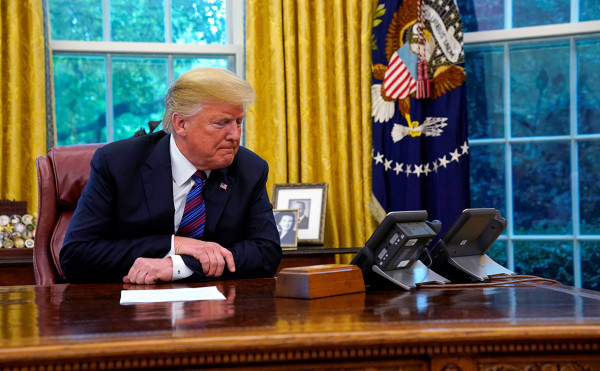
He stated that he trusts the military in this matter, pointing to the success of the operation in Venezuela, where Americans managed to capture President Nicolas Maduro in just a few hours.
Before the start of the operation in the Middle East, the U.S. President did very little to convince the public of the need for war with Iran, notes WSJ.
However, he was disappointed when it turned out that the war was lowering the ratings of Republican Party candidates in the upcoming congressional elections.
For himself, Trump, who is no longer eligible for re-election as president, saw the operation in Iran as a chance to change the world order and make history. “If we do everything right, we’ll save the world,” one of the WSJ sources recounts his words.
From the very beginning of the war, all of Trump’s key aides recommended that he limit improvised public statements, as they unnecessarily highlight the contradictions in his policy to the public.
Some advisors recommended the president record an address to the nation—to assure the country that the White House has a plan of action. Trump refused for a long time, but on April 1, he eventually made an address, stating that the U.S. had already achieved success and that all set military goals would be reached “very soon.”
This speech did not increase public support for the president because it did not clarify how and when the U.S. plans to exit the war.
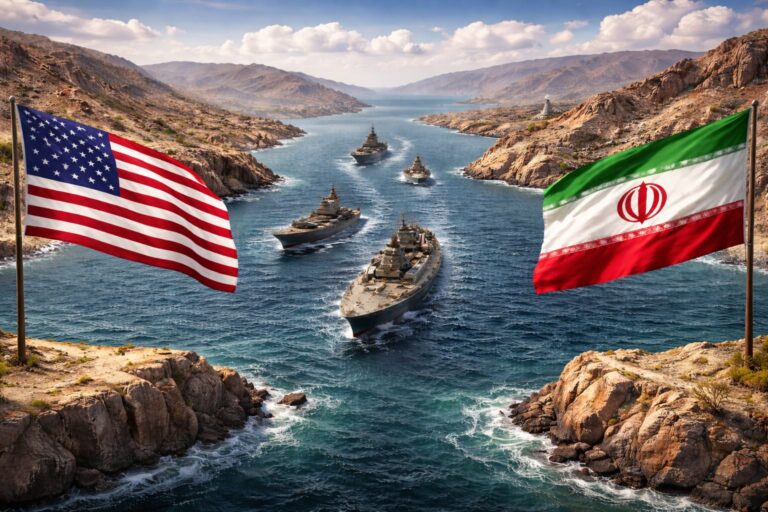
The closure of the Strait of Hormuz became a “particular source of frustration” for Trump, notes WSJ. Before the war started, he was confident that Iran would capitulate before closing the strait—and even if they tried, American military would not allow it.
When the strait was closed, Trump was surprised at how easily Iran was able to do it. Then he again began to vacillate—between demanding allies provide support and positioning the U.S. as a force that does not need anyone’s help. Trump instructed his advisors to start negotiations with Iran at the end of March.
The impulsive style of the American president had never been tested during a prolonged military conflict before, writes the publication. The successful capture of Venezuelan President Nicolas Maduro in January only strengthened Trump’s confidence in the correctness of his actions.
However, as the war progressed, Trump often recalled President Jimmy Carter, under whom a failed operation to rescue hostages from the embassy in Tehran took place in 1980—he began to fear that the war with Iran could turn into a political disaster for him.
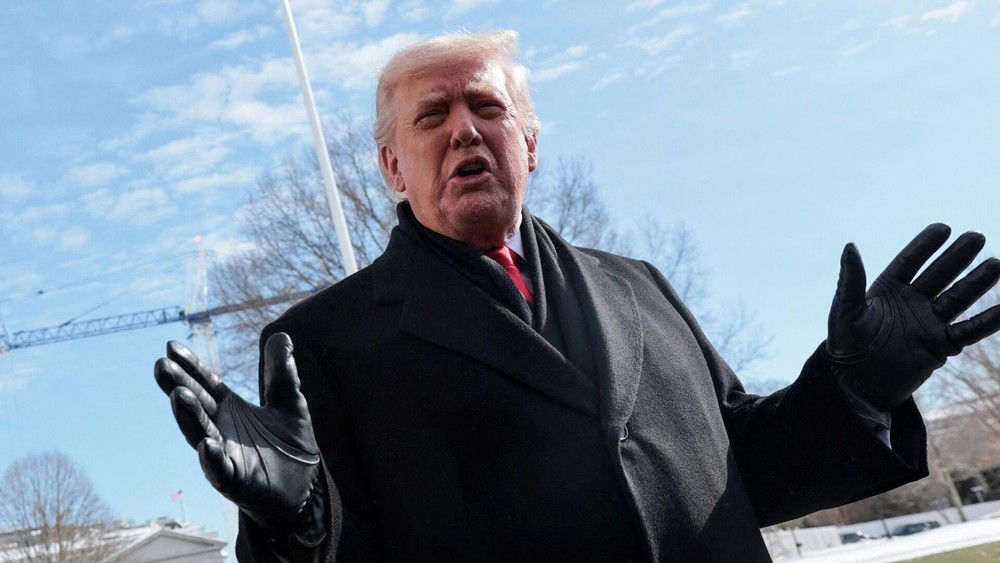
When in early April Iranians shot down an American plane and two pilots went missing, the president “yelled at his aides for hours,” claims WSJ.
During the rescue operation, advisors did not let Trump into the command room, where updates were arriving every minute—they believed that the president’s impatience would only hinder the operation, and they provided him with information only about its most important stages.
A similar situation with Trump’s contradictory statements is also observed regarding negotiations with Iran, writes The Washington Post.
Although U.S. envoy to the UN Mike Waltz and Energy Secretary Chris Wright confirmed that Vice President J.D. Vance would head the delegation at negotiations in Pakistan, Trump stated the opposite, claiming that Vance would not go to Islamabad “for security reasons.”
These statements “caused a stir in the White House,” writes the publication—and officials had to once again assure journalists that Vance would indeed lead the delegation.
White House Press Secretary Anna Kelly, in a comment to The Washington Post, blamed the contradictions on the “bloodthirsty media,” whose journalists first call Trump and then “complain about the answers they receive.”
She emphasized that Trump is “the most open president in history, who gladly provides access to journalists.”