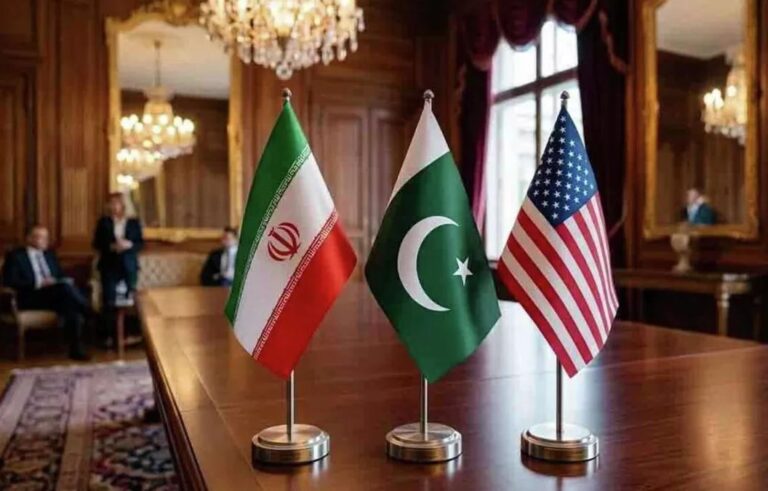
After unsuccessful negotiations between the US and Iran on April 12, the situation in the Middle East has entered a new critical phase.
Experts believe that the failure does not signify the end of diplomacy, but they predict that the next phase might involve continued political pressure from both sides, with a possible review of positions.
Despite the fact that negotiators from both sides were decision-makers in their countries, the US and Iran were unable to reach an agreement on key issues.
Statements from both sides suggest that the lack of agreement is linked to unresolved issues regarding the opening and further control of the Strait of Hormuz and Iran’s nuclear program. A two-week truce remains in place, although both sides accuse each other of violating it.
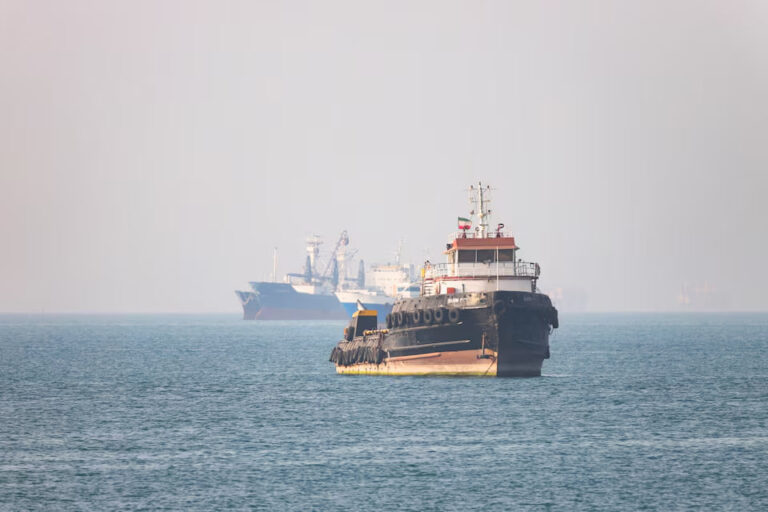
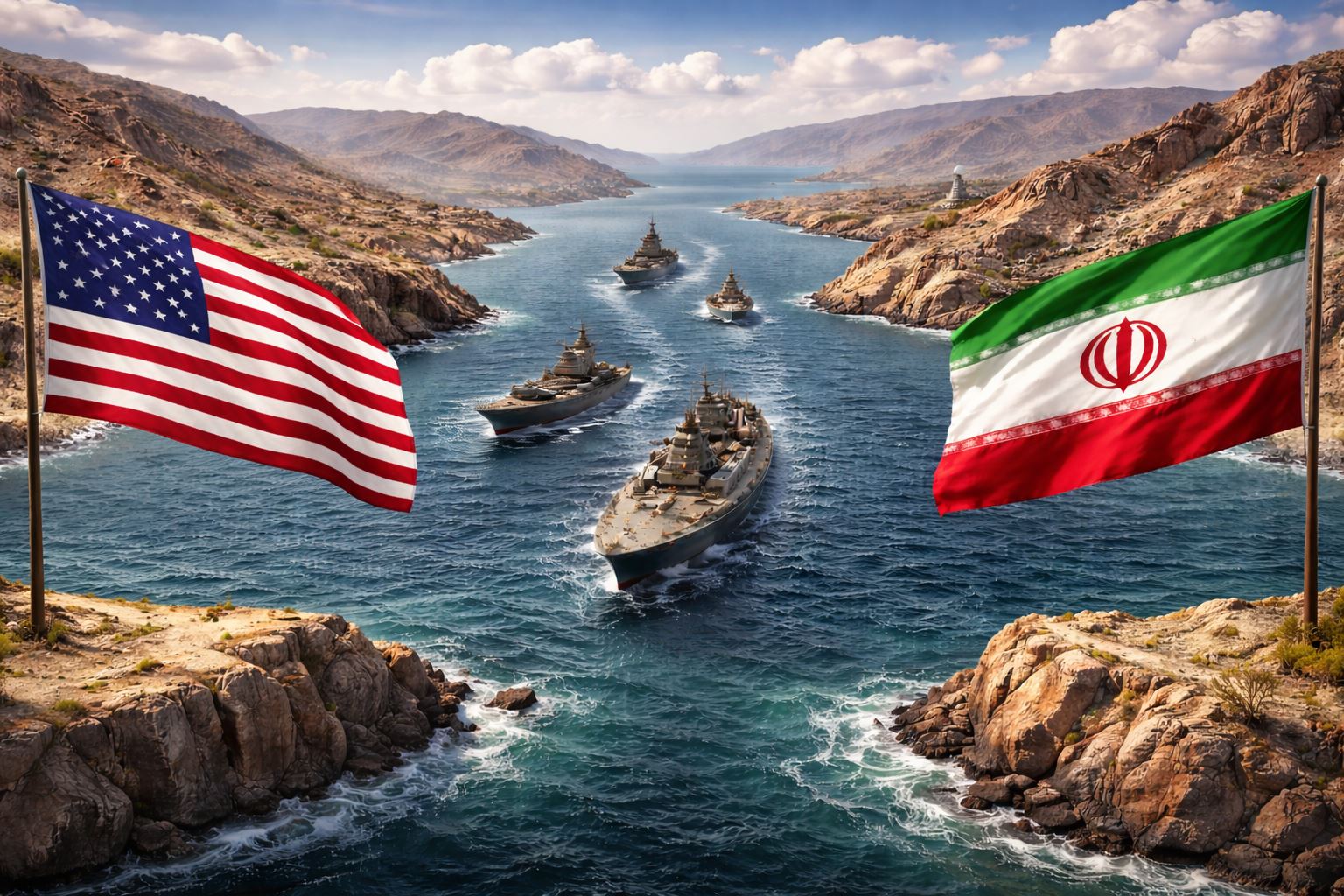
After the failure of the negotiations, the US announced that it would block the Strait of Hormuz and Iranian ports. Iran called this a violation of the truce and international laws.
Meanwhile, some media report on possible further negotiations in Pakistan or Switzerland, but neither Iranian nor US officials have confirmed or denied this information.
Under these circumstances, “Asia-Plus” turned to Tajik experts with questions: why did the negotiations fail, what will be the next steps for Iran and the US, and how likely is the renewal of war?
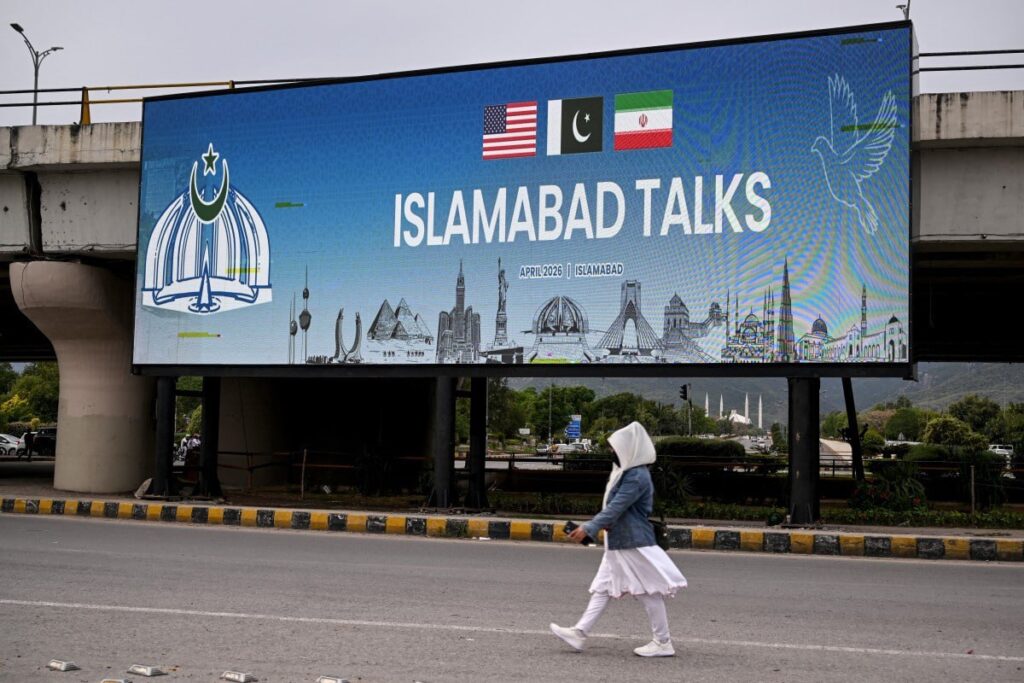
Why was no result achieved in Islamabad?
Experts cite the main reason for the failure as the excessive confidence of both sides in their own strength and conflicting proposals. The Trump administration began negotiations with the demand for a complete halt to the nuclear program.
Iran, relying on the fact that during one month of war it was able to withstand US attacks and control the Strait of Hormuz, said “no!” to America and simultaneously proposed 10 points of its own conditions, including the continuation of the nuclear program and a new way of managing the Strait of Hormuz.
However, both sides initially stated that they did not trust each other. Experts believe that the distrust, which arose from previous agreements and recent conflicts, led the Iranian delegation to perceive US proposals as pressure.
What will happen next?
Rustam Azizi, a Tajik conflict expert, emphasizes that the failure of these negotiations does not yet mean the end of diplomacy.
“In fact, this outcome was somewhat predictable, since both the American proposal and the Iranian conditions were based from the very beginning on high self-confidence and maximum expectations,” the expert says.
According to him, both sides, after a period of war and truce, consider themselves in a strong position, and it is natural that they expected significant concessions from the opponent.

Azizi adds that in such conditions a quick agreement was unlikely, but both sides indicated that the door for negotiations is not completely closed. He notes that the sides are simultaneously moving in two directions — revising diplomatic tactics and continuing preparations for a possible military solution.
“The next step is likely to be not ‘final peace’ or a ‘new, urgent war,’ but a phase of position reassessment. That is, after the failure of the first round, the sides will adjust their conditions more softly or more precisely, explore the possibility of new rounds of negotiations while maintaining political and military pressure as an influence tool,” the expert predicts.
In his opinion, this is a common crisis management tactic, where diplomacy does not cease but takes on a more complex form, and military pressure remains as a tool.
“This war could last a year”
Speaking about the two-week truce, Azizi states that the likelihood of its continuation is higher than the likelihood of its cancellation, since both sides, after a month of confrontation, need time to restore their resources and reassess their calculations.
He calls this situation a “temporary strategic pause.” However, the expert warns that the war may transition into a protracted phase, similar to the Russia-Ukraine war, which could last a year.
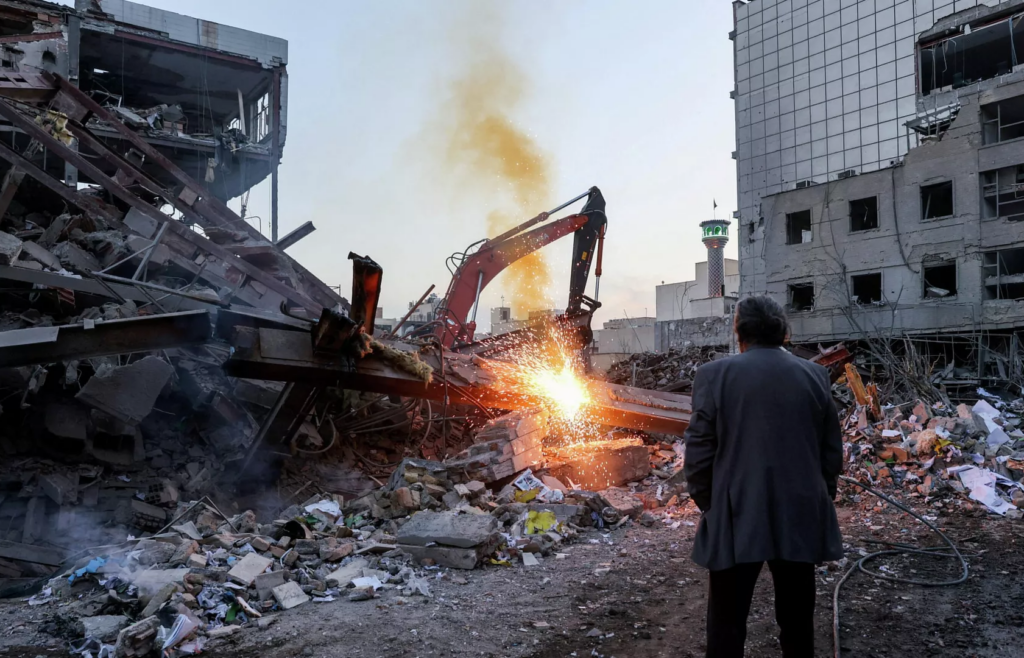
“It is quite possible that tensions with Iran will evolve into a protracted, slowly developing war in the Middle East. Since the issues of Palestine, Lebanon, Syria, and Yemen have existed for many years, it is not excluded that Iran will be drawn into such a long-term tension,” Rustam Azizi predicts.
Will the Strait of Hormuz be closed?
However, the US has already stated that it has surrounded the Strait of Hormuz with its warships. We asked experts whether this means the cancellation of the truce and the start of the war?
Rustam Azizi is confident that in such conflicts, both sides always strive to present the opponent’s actions as the start of escalation, and each new step is presented as a “response,” “warning,” or “reaction.”
“On the other hand, the US has not completely surrounded the Strait of Hormuz, because they do not have such an opportunity: firstly, US trading partners exert pressure on Trump, and secondly, all their naval ships cannot be there year-round because it is too expensive,” the expert believes.
In his opinion, this is more of a way to pressure Iran to abandon some of its demands and agree to US participation in managing Hormuz.
Nevertheless, Rustam Azizi emphasizes that “Tehran will in no way accept these demands from Washington.”
“This is not beneficial for the Trump administration”
Saadi Khomid, a political and international relations expert from Tajikistan residing in the US, believes that the first round of negotiations ended unsuccessfully, but this is not yet the end of diplomacy.

According to him, Donald Trump is likely trying to strengthen his leverage in negotiations with Iran through the maritime blockade of the Strait of Hormuz to force Tehran to agree to US demands. However, the expert warns that such actions could lead to a new stage of escalation and clashes. Regarding the truce, Khomid says:
“A logical and rational assessment of the current situation shows that this operation, if the truce is violated, does not meet America’s interests, especially the Trump presidency.”
He says that the blockade of ports has reduced oil exports, which will again lead to a rise in oil prices on the world market and cause inflation in America. It is this factor, according to the expert, that prompted Trump to start negotiations, and therefore “violating the truce and returning to active war will bring Trump even more political losses, especially ahead of the midterm elections.”
If Iran closes Bab-el-Mandeb…
Saadi Khomid also draws attention to geopolitical consequences, arguing that if the export of oil from Iran to China and India is blocked, America will face additional problems in relations with these two countries.
Moreover, this expert reminds of another leverage from Tehran, warning that “if the war returns to an active phase, Iran this time with the help of the Houthis can close Bab-el-Mandeb.”
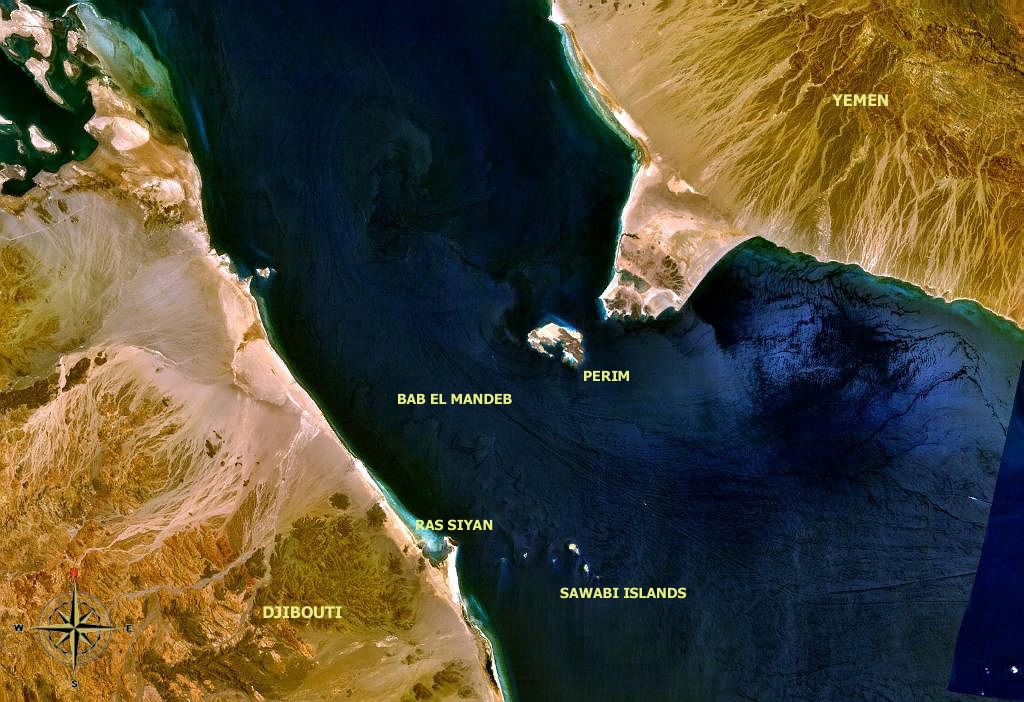
“The Houthis can block the Red Sea and cut off 12 percent of global oil supplies. In this case, the world will witness a sharp rise in oil prices and an escalation of war,” says the “Asia-Plus” interlocutor.
He emphasizes that despite all the power and praise of America’s capabilities, “the scope of the war will be determined not in Washington, but in Tehran.”
Achieving a constructive outcome will be difficult
Saadi Hamid believes that a combination of economic and political factors is a strong argument for the US government to adhere to the ceasefire and prevent the escalation of war.
“But no one can guarantee that Trump will take reality into account by conducting a logical and rational assessment,” adds the expert.
According to the expert, if these deterrent factors are taken into account in Washington’s approach to Tehran, there is a possibility of a second round of direct negotiations.
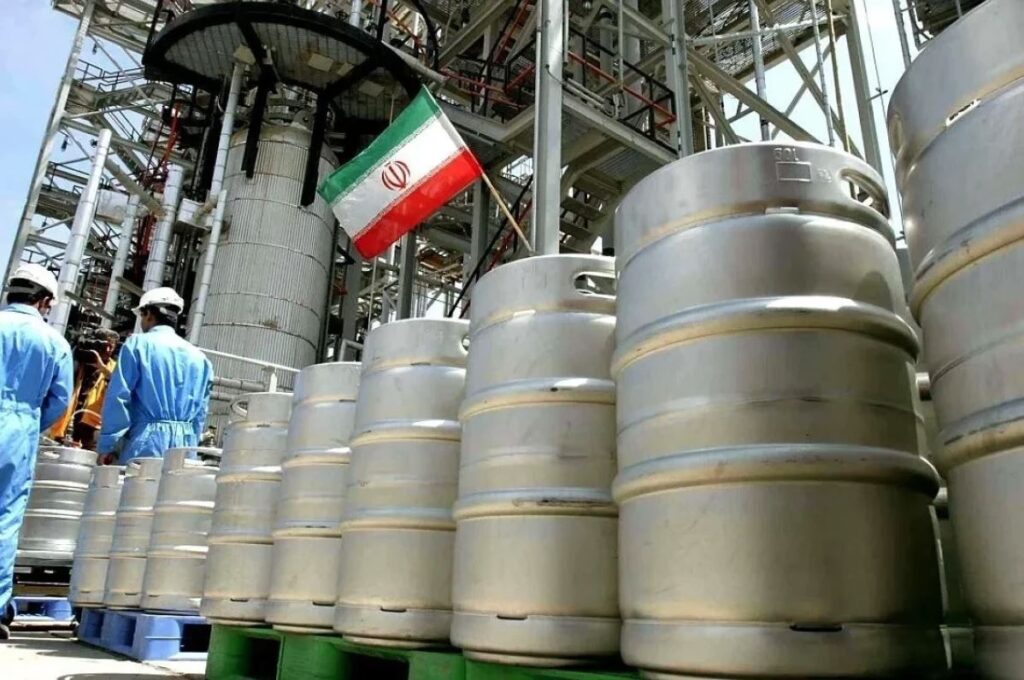
However, he warns that if the American side continues to insist in subsequent negotiations that Iran reduce its uranium enrichment level to zero and cease support for regional groups, including “Hezbollah,” “Hamas,” and the Houthis, achieving a constructive outcome will be virtually impossible.
In this regard, Saadi Hamid also considers Israel’s role important, noting that Tel Aviv may have a direct impact on the failure of this diplomatic process.
In case of a complete diplomatic deadlock, the expert foresees another possible scenario: a return to the situation that existed before the war on February 28, where America exits the war, and Trump presents it as a victory, but in the meantime, Israel’s position will worsen.
No war, no peace between Iran and the US
The current situation shows that although the negotiations in Islamabad concluded without any concrete results, both sides are now in a situation of neither war nor peace.
The official start of the naval blockade of Iranian ports from 19:30 on April 13, Dushanbe time, and new threats from Trump to destroy Iranian speedboats indicate rising tensions.
However, as both experts emphasize, the need to restore resources and global economic risks may serve as a deterrent to a new full-scale war.