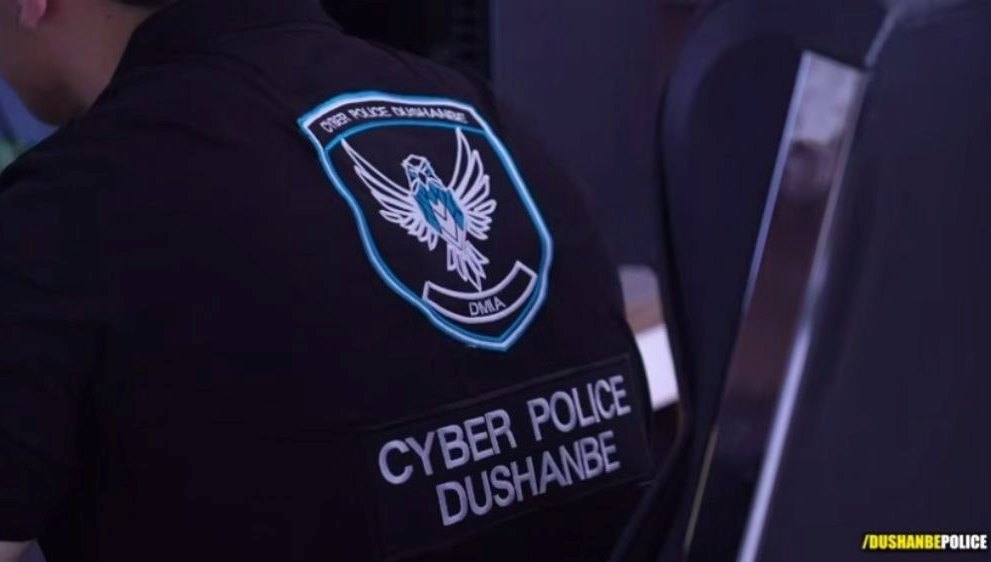
The police and prosecutor’s office in Dushanbe have detained an organized criminal group involved in the illegal use of bank cards, SIM cards, and citizens’ personal data for committing various crimes.
According to the capital’s police, Muhammadjon Mahmadalizoda, a 24-year-old resident of the capital, illegally acquired plastic bank cards and used them to withdraw funds he received from playing online casinos.
During Mahmadalizoda’s interrogation, it was revealed that since 2024 he had been issuing bank cards in the names of various citizens, registering up to 100 cards and up to 15 SIM cards, as well as creating electronic accounts under these names. All accounts were used by him to embezzle money through criminal means.
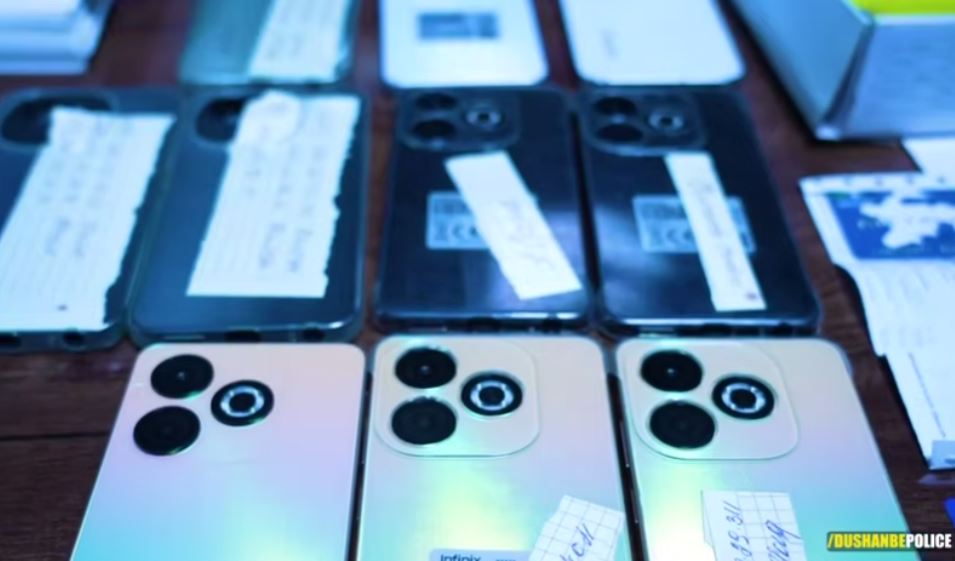
“As a result of further operational measures, 615 plastic cards from various banks, 20 mobile phones, and a large number of electronic accounts were seized. All these cards and accounts were used for illegal activities on casino sites, where criminals earned large sums of money,” the police department reported.
Also, during additional operational measures, Mahmadalizoda’s accomplices were detained: Fariz Taybunshoev, Mullosharif Maksudov, Shodmon Zokirov, Sokhib Tursunov, and a dealership center employee Mavlyuda Akhmedova. All detainees were connected to each other and assisted one another in the illegal use of bank cards.
During the investigation, an additional 1,315 plastic cards were seized, provided by Mullosharif Maksudov, who supplied the criminal group with cards for conducting transactions. In total, more than 1,900 cards from various banks in the country used during criminal activities were seized from the group.
The investigation showed that the criminal group illegally obtained and used citizens’ identity documents, issued plastic cards, and SIM cards in their names without their consent. Most citizens were not even aware that their personal data was used for these purposes.
It remains unclear how they managed to issue bank and SIM cards in other people’s names without the personal presence of these individuals.
Criminal proceedings have been initiated against the detainees under Part 2, paragraph “a” of Article 282 (“Manufacture or sale of counterfeit credit or debit cards or other payment documents”) of the Criminal Code of the Republic of Tajikistan, which provides for a penalty of imprisonment for a term of 5 to 8 years. The case is under investigation.