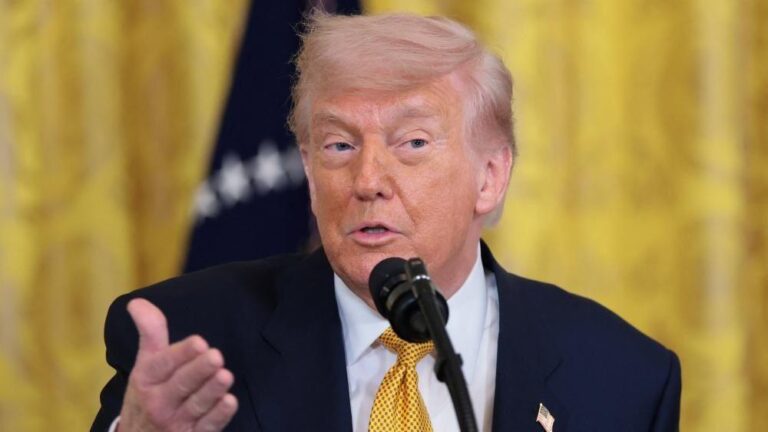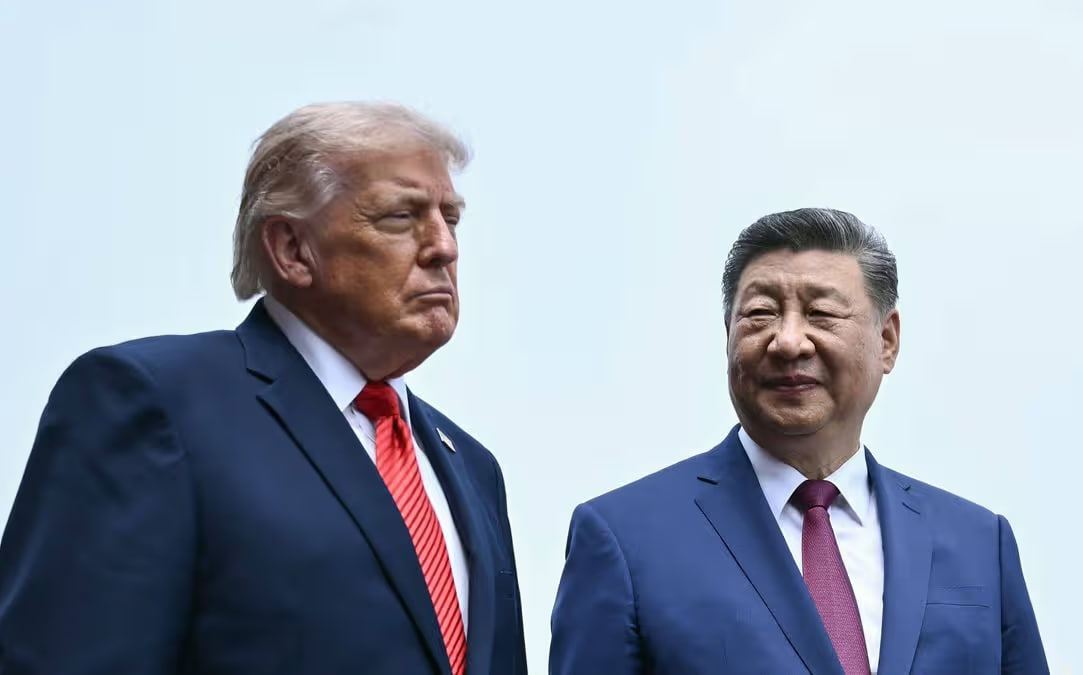
Chinese President Xi Jinping warned U.S. President Donald Trump against rash actions on the Taiwan issue during a meeting in Beijing on May 14, stating that they could lead to “conflict” between the two countries, the BBC’s Russian Service reported.
Xi Jinping also emphasized that Taiwan’s independence is “fundamentally incompatible” with maintaining peace in the Taiwan Strait. He referred to peace in the strait as the most “significant point of convergence between China and the United States.”
The talks in the Chinese capital lasted about two hours, which was significantly longer than the planned time. It is assumed that the main focus of the meeting was on trade issues and the war in Iran.
Xi Jinping stated that the U.S. and China should be “partners, not rivals.” The Chinese side is seeking a delay or reduction in U.S. arms supplies to Taiwan, which Beijing considers part of its territory.
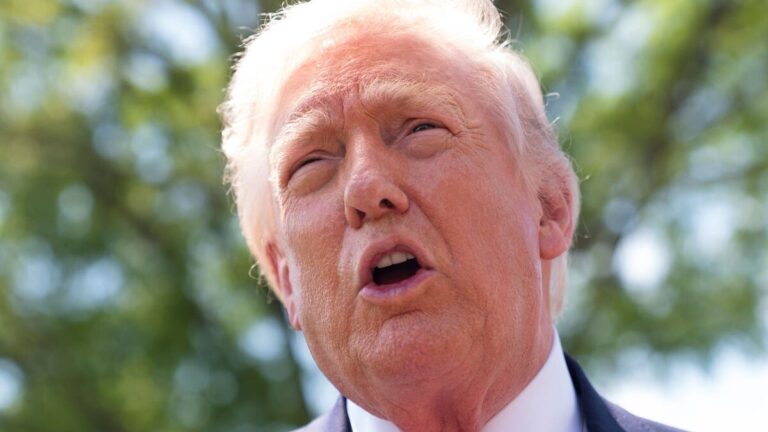
Following the talks, Donald Trump stated that the U.S. and China have a “magnificent joint future” ahead. He called Xi a “great leader” and a “friend,” described the meeting as “wonderful” talks, and noted in conversation with journalists that China is a beautiful country. However, Trump did not comment on the Chinese leader’s statements regarding Taiwan.
In the official White House report on the outcome of the meeting, this topic was also not mentioned.
Later, U.S. Treasury Secretary Scott Bessent told CNBC that the president would comment on Taiwan “in the coming days.”
Trump: Beijing will not supply military equipment to Iran
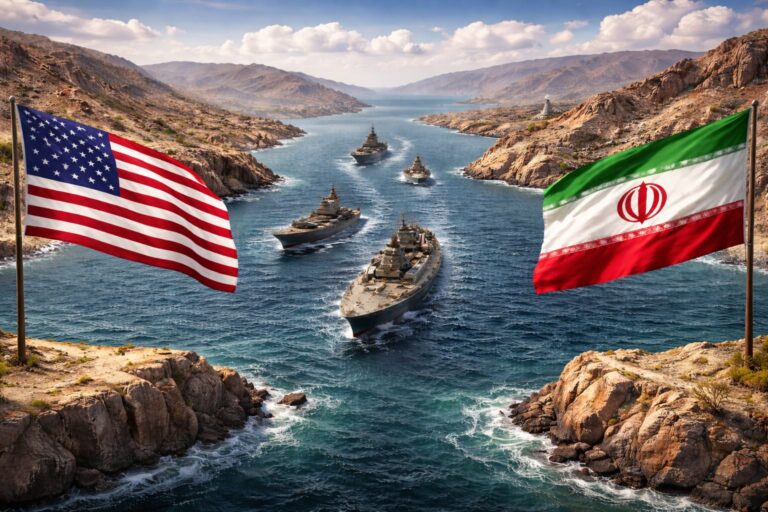
The White House reported after the meeting that Presidents Trump and Xi agreed that Iran should not acquire nuclear weapons under any circumstances and that the Strait of Hormuz should remain open to shipping.
Meanwhile, in the Chinese Foreign Ministry’s statement following the meeting, the topic of Iran was hardly addressed. The document focused primarily on trade and Taiwan. Iran was not directly mentioned; it was only noted that the leaders of the two countries “exchanged views” on the “situation in the Middle East” and other international issues.
Later, in an interview with Fox News, Trump stated that Xi Jinping proposed China’s assistance in opening the Strait of Hormuz and assured that Beijing would not provide military aid to Iran in its war against the U.S. and Israel.
“He said he would not supply military equipment… he expressed this very firmly,” said Trump. “He would like the Strait of Hormuz to be open, and he said, ‘If I can help in any way, I would like to help.'”
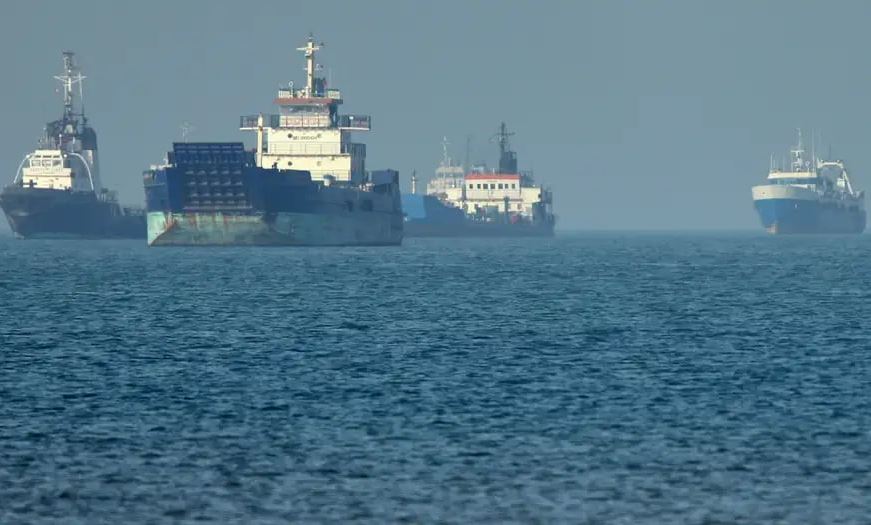
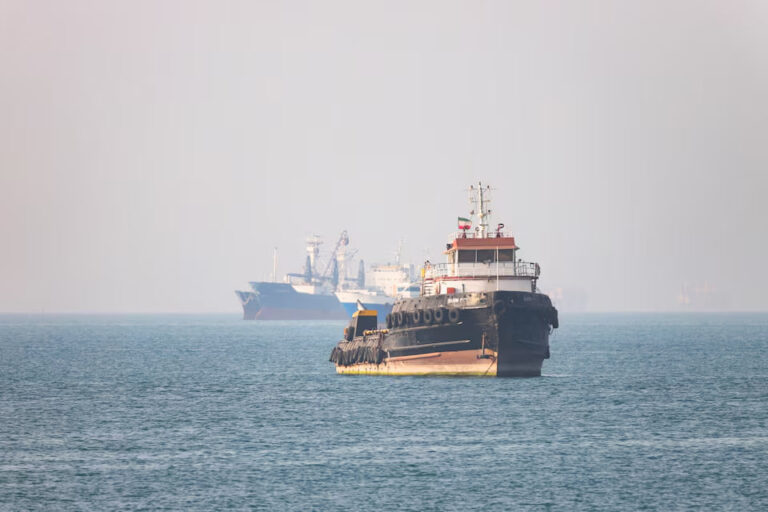
Meanwhile, the Iranian naval forces began allowing Chinese ships to pass through the Strait of Hormuz on May 13. On May 14, Iranian state news agency Tasnim reported that the passage was permitted at Beijing’s request.
Washington hopes that China will help bring Iran back to negotiations. Beijing, in turn, acts cautiously, striving to maintain the role of a possible mediator without directly involving itself in the conflict.
At a meeting with U.S. business representatives, Xi Jinping stated that China intends to further open its market to American companies. According to him, U.S. businesses will have more opportunities to work and develop in China.