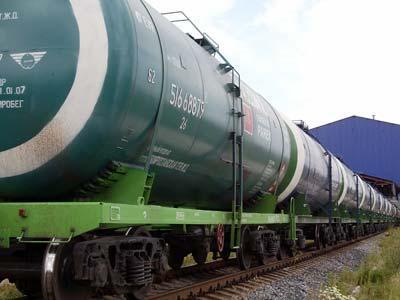
DUSHANBE, January 3, 2014, Asia-Plus — Russia is expected to deliver one million tons of duty-free oil products to Tajikistan in 2014, according to the Ministry of Economy and Trade Development (MoEDT).
An official source at a MoEDT says Russia considered and endorsed Tajikistan’s indicative fuel balance for 2014 on December 31, 2013. The Russian government reportedly approved the draft law on ratification of an agreement on duty-free Russian oil product deliveries to Tajikistan on December 26, 2013.
“This year, Russia will deliver 360,000 tons of gasoline, 250,000 tons of diesel fuel, 100,000 tons of aviation fuel, 200,000 tons of oil coke, 32,000 tons of bitumen, 50,000 tons of fuel oil, and 8,000 tons of liquefied gas free of tariffs,” the source noted.
We will recall that the Russian government made a decision on temporary application of an agreement on duty-free Russian oil product deliveries to Tajikistan beginning on November 12.
Under Article 11 of this agreement, the document can be temporarily applied starting from official publication of it in accordance with laws of both sides.
Tajikistan was exempted from paying Russian tariffs on oil and gas exports from 1995-2010 and Russia cancelled Tajikistan’s tax exemption on May 1, 2010 that resulted in gasoline prices rising in the country.
On February 6, 2013, Tajikistan and Russia signed the agreement on duty-free Russian oil product deliveries to Tajikistan. Under this agreement, the sides consider and endorse the indicative fuel balance for the next calendar before October 1 of each year. Fuels delivered in addition to the indicative fuel balance will be liable to export duty.
Russian oil products delivered to Tajikistan in the volumes not exceeding those agreed on indicative balance are not subject to re-export to the third countries. This ban also applies to Russian oil products delivered to Tajikistan from other member nations of the Customs Union.
Meanwhile, Tajikistan imported 325,751 tons of oil products, including 116,600 tons of gasoline, in January-November 2013. Over the report period, Tajikistan imported 118,900 tons of oil products to the total amount of 147.8 million U.S. dollars from the Russian Federation. Last year, the share of Russia in Tajikistan’s fuel market was 36.5 percent.
An average price for one ton of gasoline has reportedly fallen from 1,288 U.S dollars to 1,049 U.S. dollars due to temporary application of an agreement on duty-free Russian oil product deliveries to Tajikistan.