On the 4
th
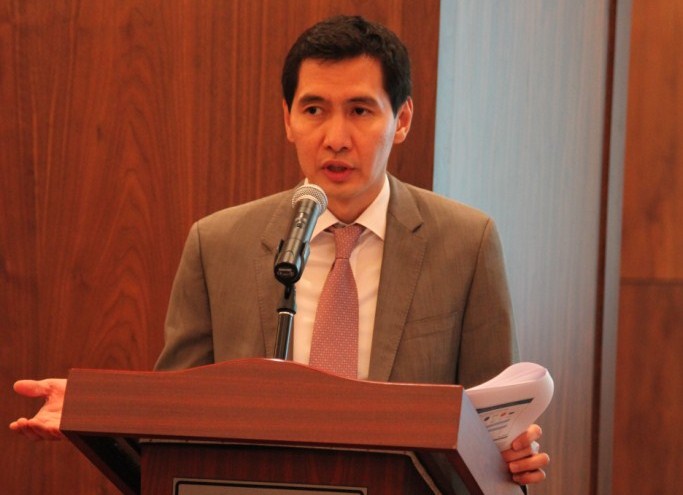
December, Mr. Aidyn Bibolov, IMF Resident Representative in Tajikistan, delivered a Regional Economic Outlook Presentation to members of the government, National Bank, diplomatic community, IFIs, business community, think tanks, mass media, and other stakeholders in Tajikistan. The Chairman of the National Bank of Tajikistan Mr. Abdujabbor Shirinov provided his comments on the presentation.
In his speech, Mr. Bibolov stated: “The recovery remains uneven in advanced economies, and emerging economies are adjusting to rates of economic growth lower than those reached in the pre-crisis boom. For the countries in the Caucasus and Central Asia (CCA), increased geopolitical tensions and the related slowdown in Russia’s economy are of a particular concern. With weaker economic prospects and long-standing vulnerabilities, it is becoming more urgent to implement reforms to increase competitiveness, reduce unemployment, and improve living standards.
We expect that GDP growth in 2014–15 for the region to decline from about 7 percent in 2013 to 5½. For Tajikistan, we expect growth to average around 6 percent in 2014–15 and inflation is projected at around 8-9 percent over the same period. Over the medium term, potential growth in Tajikistan is likely to be lower both because of weaker remittance inflows from Russia and the slow pace of structural reforms, though it will receive some support from rapidly strengthening economic ties with China and some other countries.
A further deepening of geopolitical tensions, fall in the oil price and the ruble exchange rate could significantly impact the CCA economic outlook further, given the region’s close links with Russia through trade, remittances, and investment. What is IMF’s advice for Tajikistan to help better prepare for potential headwinds? To increase resilience against shocks, the country needs to:
– Buildup additional external and fiscal buffers while introducing more exchange rate flexibility;
– Improve SOEs monitoring and governance;
– Strengthen supervision and create level playing field in the financial sector;
– In the medium term, structural reforms in the area of business environment, diversification of the economy and strengthening of regional cooperation can further help growth and job creation.
For its part, the IMF is working with the countries in the region to help them respond to these challenges. Depending on country circumstances, this help can include policy advice, technical assistance, and financial support”.