A day before the talks in Islamabad, scheduled for April 11, the situation surrounding a possible ceasefire in the Middle East remains tense: the sides continue to exchange accusations and military strikes, casting doubt on the prospects for agreements.
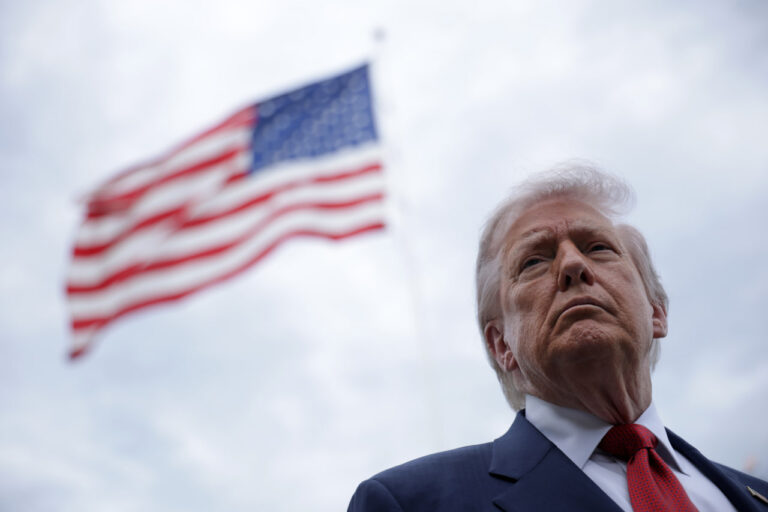
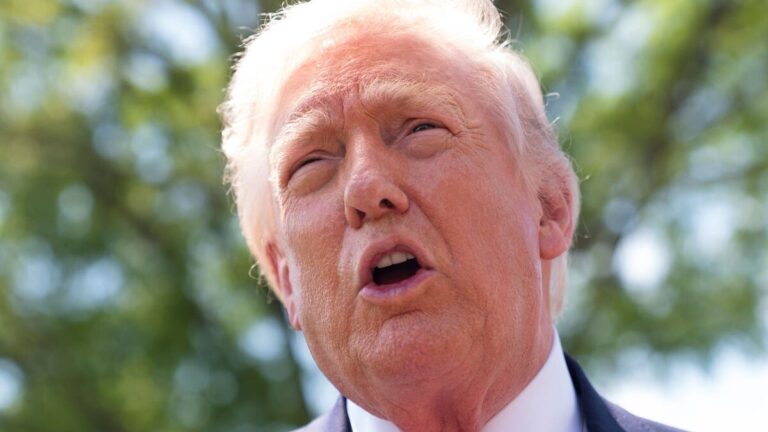
U.S. President Donald Trump accused Iran of violating the terms of the two-week ceasefire he announced, pointing to the actual blockade of the Strait of Hormuz, writes BBC.
According to him, Tehran does not ensure the free passage of oil tankers and even charges a fee for transit. At the same time, he promised that oil supplies would soon be restored “with or without Iran.”
Iran, in turn, links shipping restrictions to ongoing Israeli strikes on Lebanese territory. After the ceasefire was announced, movement through the strait partially resumed, but remains extremely low: in a few days, only about ten ships passed through it instead of the previous approximately 140 per day.
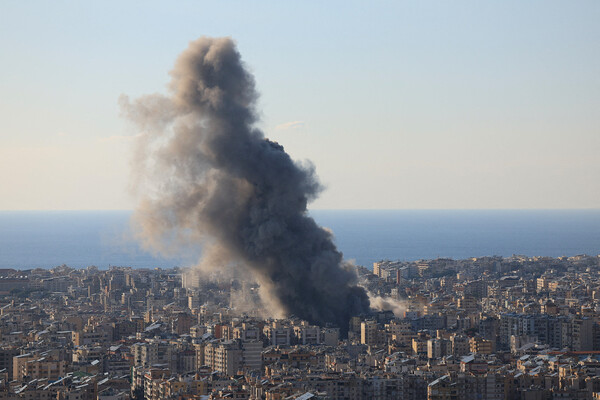
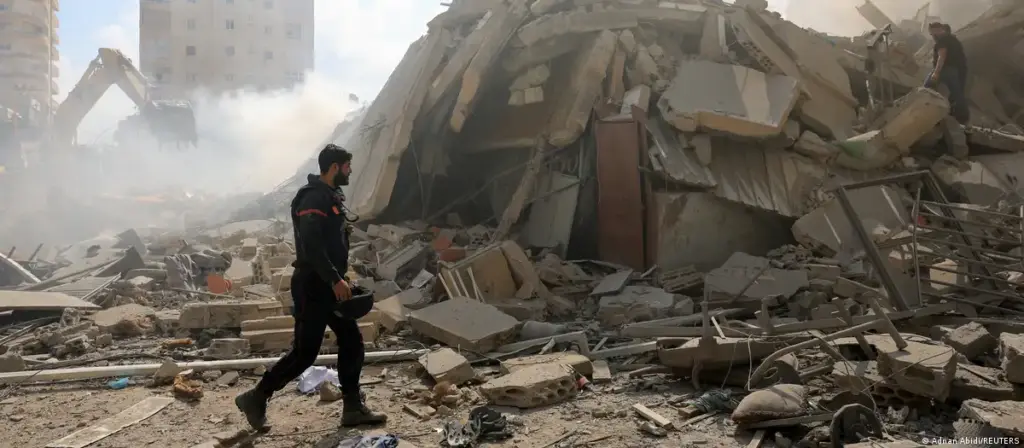
At the same time, the conflict between Israel and Hezbollah has sharply intensified. Israel conducted one of the largest air strikes on Lebanon in the entire history of the hostilities, declaring strikes on the group’s military infrastructure. According to Lebanese authorities, the death toll exceeded 300 people, and mourning was declared in the country.
Israeli Prime Minister Benjamin Netanyahu announced the start of preparations for direct negotiations with Lebanon, emphasizing that the issue of Hezbollah’s disarmament will be key. At the same time, he noted that there is effectively no ceasefire on the Lebanese front.
According to him, the talks will focus on the disarmament of the Hezbollah group and establishing peaceful relations between the countries. However, as Axios sources note, the start of the dialogue does not mean the cessation of hostilities, reports The Times of Israel.
Despite this, Trump reported that in a conversation with the Israeli leader, he discussed the need to reduce the intensity of strikes and expressed hope for more restrained actions in the coming days.
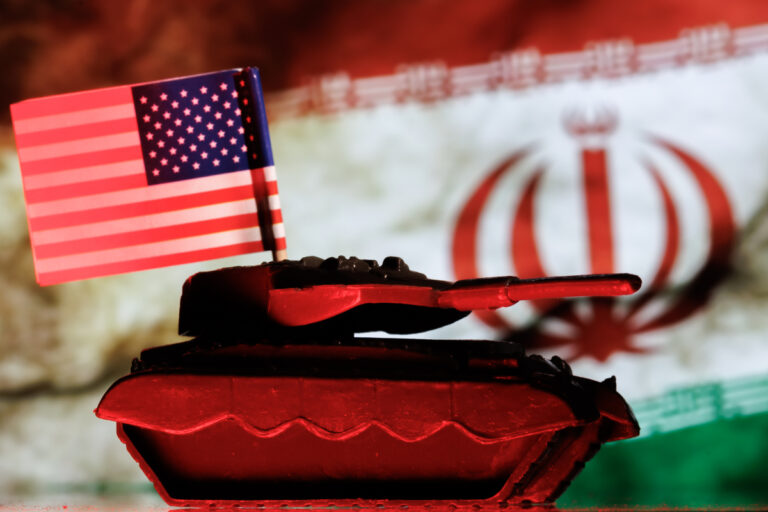
The U.S. and Israel insist that the ceasefire does not apply to Lebanon, while Iran considers the cessation of strikes on this country a mandatory condition for the deal and refuses to fully open the Strait of Hormuz until they stop. A similar position was voiced by Iranian Parliament Speaker Mohammad-Bagher Ghalibaf, who is expected to lead the Tehran delegation at the talks.
Pakistan acts as a mediator in the process, but the statements of the parties indicate an actual impasse: Washington insists on Iran fulfilling the conditions of the ceasefire, while Tehran demands the cessation of military actions by the U.S. and their allies.
Against this backdrop, even the composition of the meeting participants remains unclear: according to Iranian media, the country’s delegation has not yet departed from Tehran and may refuse to participate if the strikes on Lebanon do not cease.
Meanwhile, the Islamic Revolutionary Guard Corps of Iran stated that since the beginning of the ceasefire, it has not launched any attacks towards any countries, notes IRNA.
“In the last few hours, news agencies have spread reports of drone and missile attacks on facilities in some countries on the southern coast of the Persian Gulf. The Iranian Armed Forces have absolutely not carried out any launches towards any countries during the ceasefire so far,” the IRGC statement, published last night, said.
The IRGC stated that if the Iranian Armed Forces strike any target, it is announced in an official statement, and any action not officially confirmed by Iran “has nothing to do with us.”