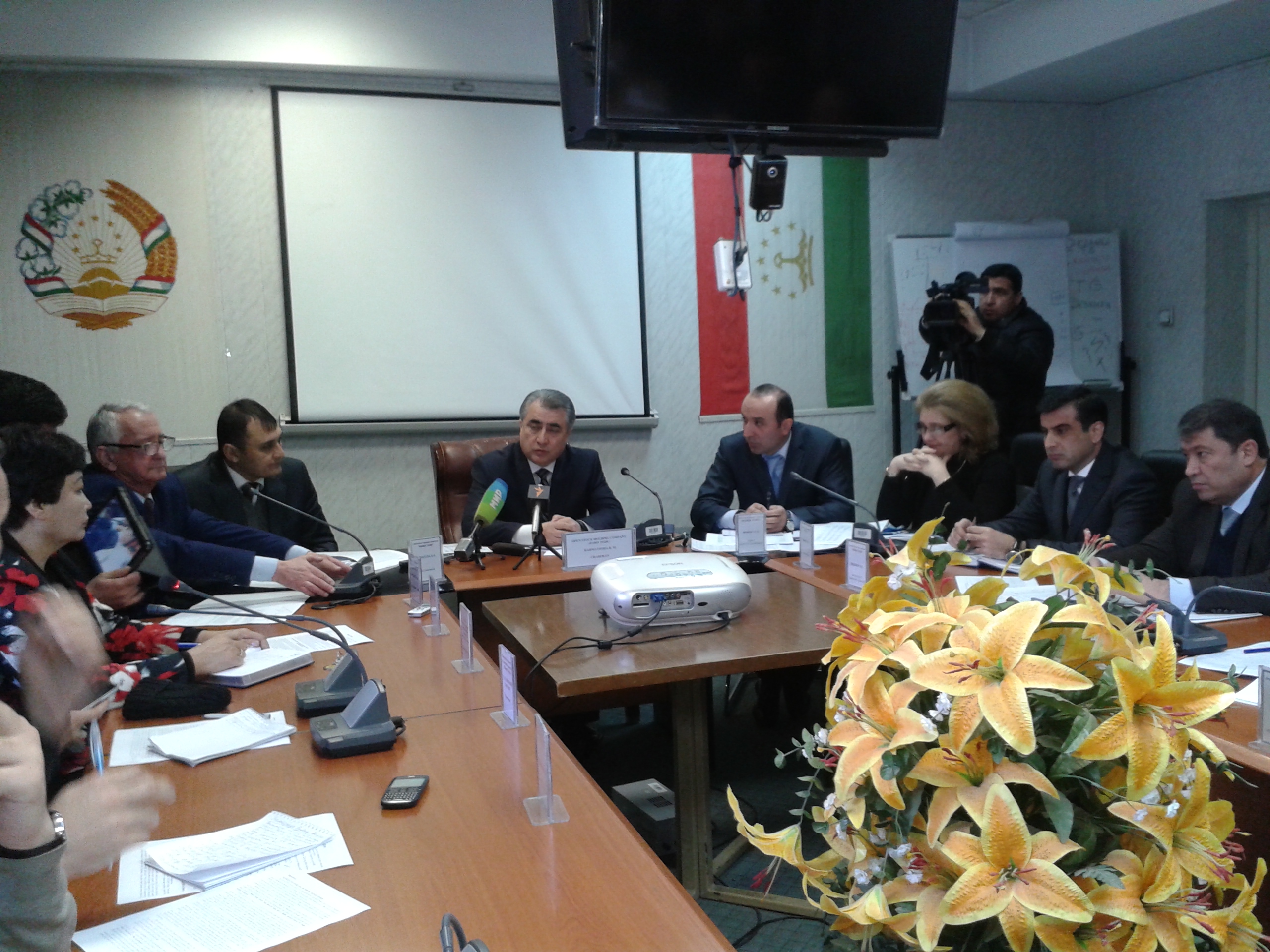
DUSHANBE, January 27, 2015, Asia-Plus — This year, electricity rationing may be lifted in the country earlier than usual, Rustam Mirzo, the head of Open Joint-Stock Holding Company Barqi Tojik (the state-owned utility responsible for generation, transmission, and distribution of electricity in Tajikistan), told reporters in Dushanbe on January 27.
The Barqi Tojik top manager noted that the current water level in the reservoir powering the Norak hydroelectric power plant (HPP) is 889.97 meters above sea level, which s 4.27 meters higher than in the same period last year, and 32.97 meters above the “dead level” (inactive storage) (857 meters).
“Current water inflow in the Vakhsh River is nearly 200 m3/sec,” he said, noting that residential consumers in rural areas now have electricity 11-12 hours per day.
We will recall that electricity rationing was introduced in rural areas of Tajikistan on October 1, 2014.
Electricity rationing has not affected Dushanbe as well as the cities of Khujand, Qurghon Teppa, Kulob, Tursunzoda, and Chkalovsk as well as the majority of districts of the Gorno Badakhshan Autonomous Region (GBAO).
In GBAO, Tajikistan’s only private power company, Pamir Energy Company (Pamir Energy), operates. This company is responsible for electricity deliveries in the region and the majority of districts in Gorno Badakhshan now have regular power supply.
Measures rationing electricity supplies are usually introduced in all regions except Dushanbe and seek to curb the country”s rising electricity consumption. The rationing is introduced in October or November and lasts through March or April next year. The rationing results in the supply of daily electrical power being reduced to 12 or 10 hours. In addition to curbing rising consumption, the move also stems from a decline in the water level in the country”s reservoirs powering the main hydroelectric power plants.