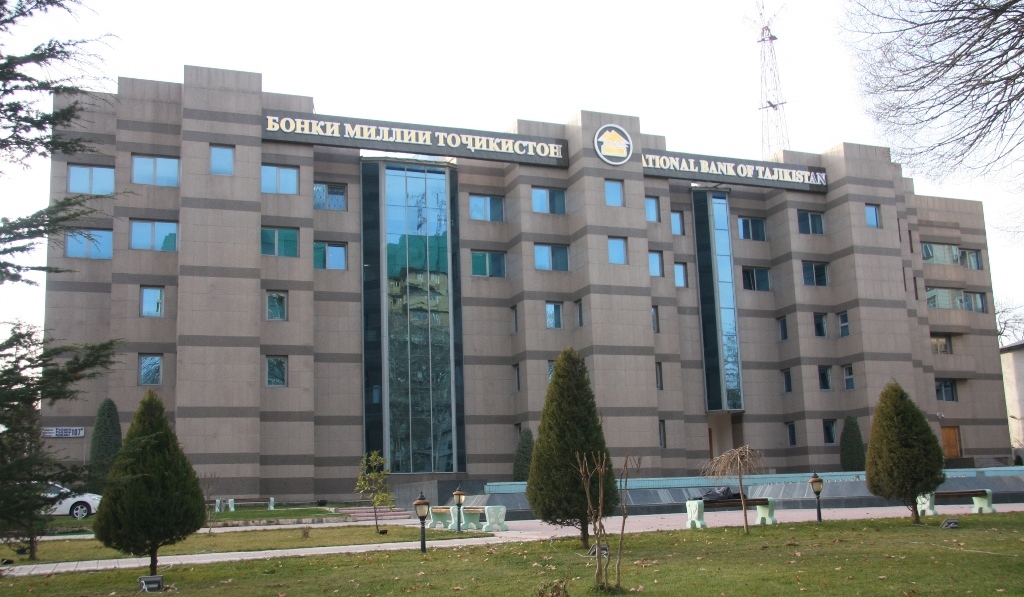
The National bank of Tajikistan (NBT) is reportedly taking measures to stabilize the country’s currency market.
“Since the beginning of the year, the Tajik national currency, the somoni, has lost 7.32 percent of its value against the dollar at the official exchange rate,” said an official source at Tajik central bank. “Meanwhile, the somoni has lost 13.3 percent of its value against the dollar at the market exchange rate over the same period.”
“To stabilize the situation in the country’s currency market we have increased the refinancing rate from 11 to 16 percent and we are carrying out auctions on selling the NBT certificates in order to regulate the volume of the money aggregates,” said the source. “Besides, working groups have been set up to control activities of the lending organizations carrying out currency exchange and money transfer transactions.”
A shortage of dollars in circulation in Tajikistan has led to further devaluation of the national currency. The somoni lost 2.2 percent of its value against the dollar on April 11– from 8.82 somoni per 1.00 USD on April 10 to 9.02 somoni per 1.00 USD.
Meanwhile, it is practically impossible to purchase dollars because some banks have no dollars to speak of, while others can offer not more than 200.00 USD per person.
Recall, the National Bank of Tajikistan accuses currency dealers in devaluation. They reportedly purchase the dollars in large amount from banks and sell them at the overpriced exchange rate.
Tajik central bank has ordered commercial banks to organize sale of the dollar owing to their own reserves and the currency purchased from the population.
At the same time, the NBT has ordered banks to reveal and register persons who regularly purchase currency for the purpose of realizing a speculative profit.
Tajikistan has mainly resorted to “administrative resources” to keep the currency on an even keel.
In December 2015, the National Bank ordered the closure of all unauthorized currency exchange points in the city. After that, only banks were able to perform foreign exchange operations. Anybody found violating this new arrangement could face jail terms of up to nine years. Also, banks are forbidden by law from selling somoni at more than 1.5 percent the rate established by the National Bank.
According to the Finance Ministry’s forecasts, the somoni is projected to slide to 9.6 somoni to the dollar this year, to 10.4 somoni in 2018 and to 11.2 somoni in 2019.