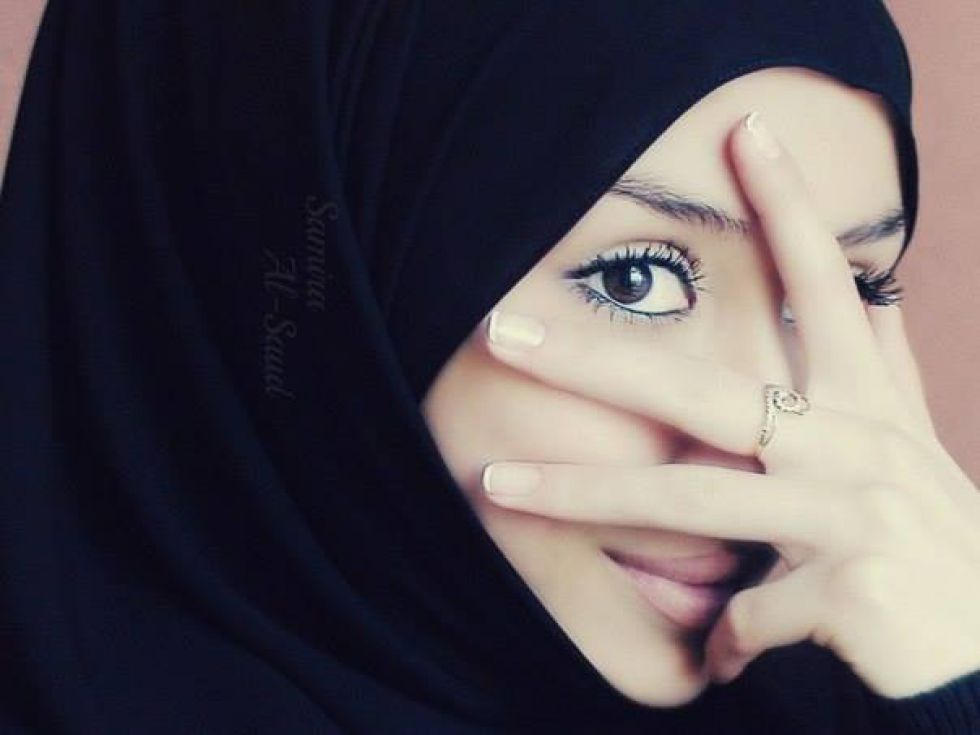
Twenty-one working groups have been set up in Khujand, the capital of the northern Sughd province, at the initiative of the Sughd Directorate for Family and Women’s Affairs. They will have to persuade local women not to wear “foreign” clothing.
According to the press center of the Committee for Family and Women’s Affairs under the Government of Tajikistan, the working groups’ members include representatives of the education and health spheres, religion, police, sports, youth organizations and activists of women movements.
The head of the Sughd Directorate for Family and Women’s Affairs, Ms. Nodira Mirzoyeva, reportedly tasked them with strengthening propagation against wearing hijabs “as clothing alien to Tajik women.”
Members of the working groups will visit all Khujand’s neighborhoods, shopping centers, bazaars, health facilities, schools, kindergartens, restaurants and sewing shops of the city.
The word hijab comes from the Arabic for veil and is used to describe the headscarves worn by Muslim women.
The Islamic headscarves, or hijabs, have been banned in schools, frowned upon in the workplace, and banished from passport photos in Tajikistan.
The first attempts to ban hijab date back to 2007, when the ministry of education forbade women from wearing the veil to school.
In his Mother’s Day speech on March 7, 2015, Tajikistan's President Emomali Rahmon criticized women who wear “foreign” clothing, especially the black veils associated with conservative Islam. “Since ancient times our people have had beautiful women’s dresses, our girls have never worn black clothes. Traditionally, black clothes are not welcome,” Rahmon told mothers ahead of Mother’s Day, which has replaced International Women’s Day in Tajikistan and is marked on March 8. The president never specifically named Islamic hijab, but his target was clear: “Strangers” are using these clothes in their drive “to promote obtrusive ideas and want to create another new extremist trend in our country.”
Within days, officials began threatening shopkeepers who sell hijabs. The Dushanbe mayor issued an order for municipal authorities to dissuade women from ‘extremism’. The mayor of the second largest city, Khujand, demanded that the sale of “Iranian and Afghan” clothes be prevented, leading to inspections of shops selling Islamic clothing by police and tax officials.